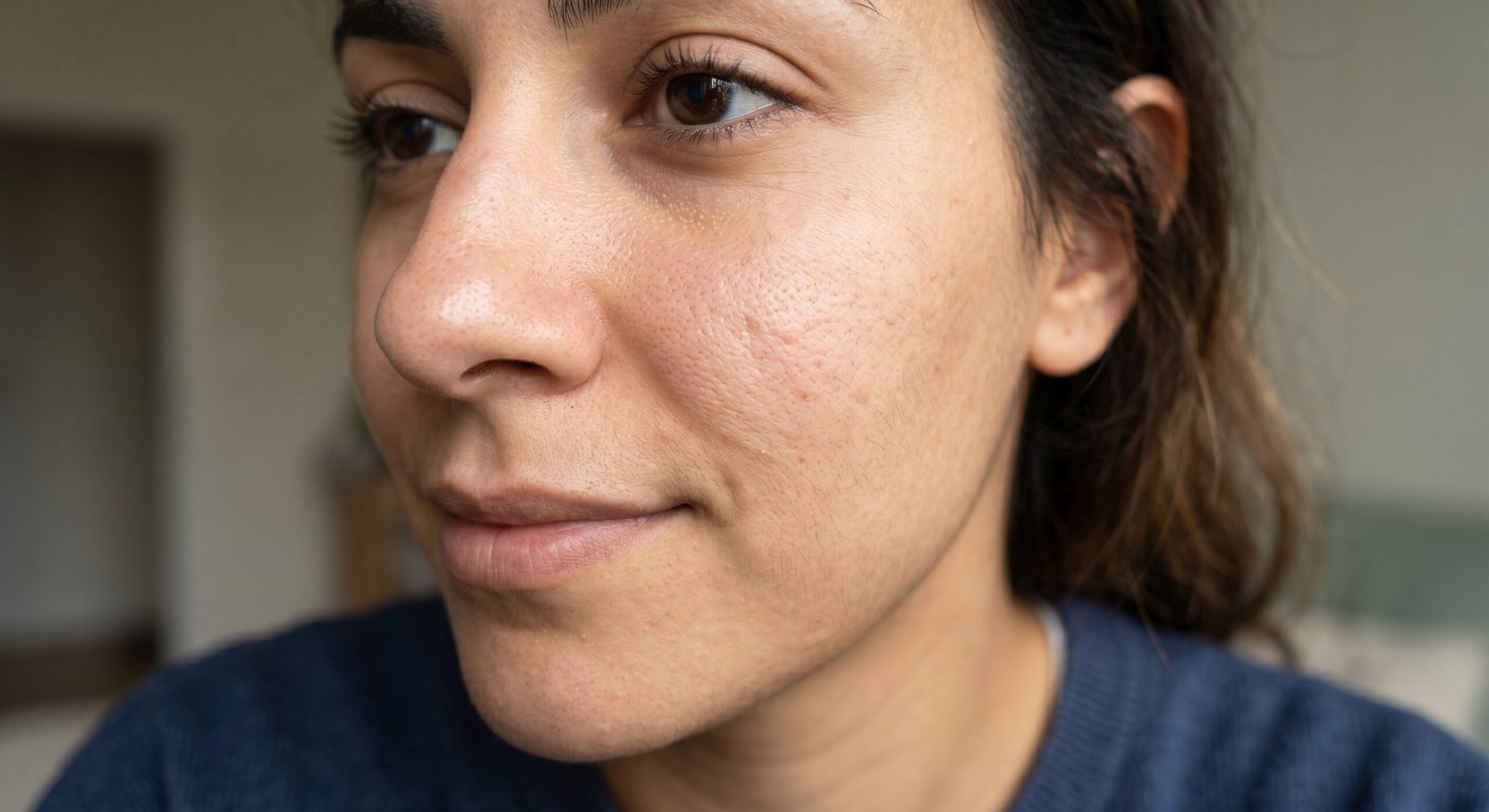
If there is one skincare concern that unites people of virtually every age, gender, skin type, and background, it is the desire for smaller, less visible skin pores. Pores are one of the most frequently discussed and misunderstood features of the human complexion — the subject of countless skincare products, professional treatments, beauty tutorials, and dermatological consultations worldwide.
The frustrating truth that many people discover only after years of trying product after product is that pores cannot be permanently eliminated or made to disappear entirely. They are living, functional structures — an essential part of the skin’s anatomy — and no skin treatment, however advanced, can physically remove them. What the very best skin treatment approaches can do, however, is dramatically reduce their visible size, refine the skin’s texture, clear congestion that stretches pores wider, and restore the underlying structural support that keeps pore walls firm and tight.
Understanding the biology of skin pores — why they exist, what causes them to enlarge, how different factors affect their appearance, and which skin treatment strategies are genuinely effective versus merely marketed — is the foundation of any successful pore-minimizing skincare strategy.
This comprehensive guide explores everything you need to know about skin pores: their anatomy and function, the primary causes of enlarged pores, the skin types most affected, the most effective at-home and professional skin treatment solutions, and the daily habits that keep pores clear, tight, and virtually invisible over the long term.
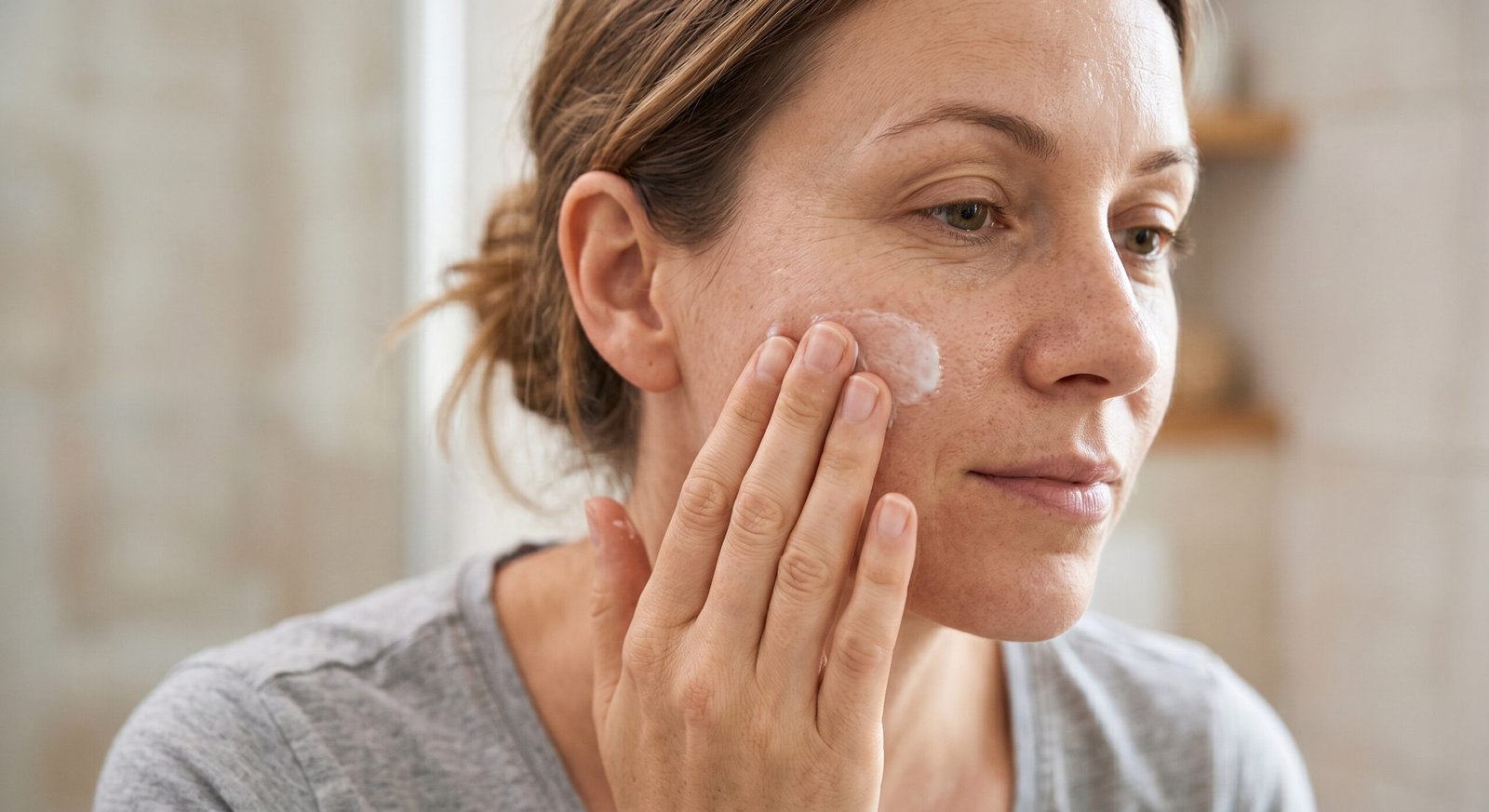
What Are Skin Pores? Understanding the Anatomy
Skin pores are tiny openings on the surface of the skin that serve as the exit points for two critical skin structures: hair follicles and sweat glands.
Hair Follicle Pores
The pores most people refer to when they talk about “large pores” are the follicular pores — the openings through which hair grows and through which the sebaceous (oil) glands attached to each hair follicle secrete sebum, the skin’s natural moisturizing oil. These pores are found across the face, chest, and back, and are most concentrated in the T-zone (forehead, nose, and chin) where sebaceous gland density is highest.
The size of these follicular pores is fundamentally determined by the volume of sebum they need to transport to the skin’s surface. When sebum production is high, when dead skin cells accumulate inside the follicle, or when the surrounding dermal support structure weakens with age, these pores stretch wider — becoming the enlarged, visible pores that most people seek to address through skin treatment.
Sweat Pores
Sweat pores are the openings of the eccrine sweat glands, responsible for temperature regulation through perspiration. These pores are extremely tiny — invisible to the naked eye under normal circumstances — and rarely contribute to the “large pore” concern that drives most people toward skin treatment solutions.
Why Do Skin Pores Enlarge? The Root Causes
Understanding what causes pores to appear larger is essential for choosing the most appropriate and targeted skin treatment approach. The primary causes of visibly enlarged skin pores are:
1. Excess Sebum Production
Oily skin is the single most common cause of visibly enlarged pores. When the sebaceous glands overproduce sebum — driven by genetics, hormonal fluctuations, heat, humidity, or the use of comedogenic skincare products — the follicular pore stretches wider to accommodate the increased oil flow. Over time, this stretching becomes a persistent feature of the skin’s texture.
This is why individuals with oily or combination skin consistently report enlarged pores as their primary skincare concern, and why oil-controlling skin treatment strategies are the most critical first intervention for this group.
2. Dead Skin Cell Buildup and Congestion
When dead skin cells are not effectively shed from the skin’s surface — either due to insufficient exfoliation or a naturally slow cell turnover rate — they accumulate inside the follicular pore, mixing with sebum to form comedones (blackheads and whiteheads). This mixture of sebum and dead cells physically stretches the pore walls from the inside, making the pore appear significantly larger than it would otherwise be.
This is one of the most directly addressable causes of enlarged pores, as consistent exfoliation-based skin treatment can clear this congestion and allow the pore to contract back toward its natural size over time.
3. Loss of Collagen and Skin Elasticity with Aging
Collagen and elastin — the structural proteins that form the supportive scaffolding beneath the skin — gradually break down with age. As this support network weakens, the skin loses its firmness and elasticity, and the walls surrounding each pore lose their structural support, causing them to sag and appear wider.
This age-related enlargement of pores is most effectively addressed through collagen-stimulating skin treatment approaches including retinoids, microneedling, radiofrequency therapy, and laser resurfacing — all of which work by rebuilding the dermal support structure that keeps pore walls firm and tight.
4. Sun Damage and UV Exposure
Chronic, unprotected sun exposure is one of the most powerful accelerators of pore enlargement. UV radiation damages collagen and elastin fibers in the dermis — the very support structures that keep pore walls taut — while simultaneously thickening the outer layer of the skin (the stratum corneum), causing dead skin cells to accumulate more rapidly around the pore opening and make it appear larger.
Daily sunscreen application is therefore not just a preventive health measure — it is one of the most important long-term skin treatment strategies for maintaining tight, refined pores throughout life.
5. Hormonal Fluctuations
Hormones — particularly androgens such as testosterone — directly stimulate the sebaceous glands to produce more sebum. This explains the dramatic increase in pore visibility during puberty, the premenstrual period, pregnancy, and perimenopause — all phases associated with significant androgen fluctuations. Managing the hormonal component of sebum production is an important but often overlooked dimension of a comprehensive pore-minimizing skin treatment strategy.
6. Genetics
The fundamental size of your pores is significantly determined by genetics. Those who inherit a greater density and activity level of sebaceous glands — common in people of South Asian, Middle Eastern, East Asian, and Mediterranean descent — will naturally have larger pores than those with genetically low sebaceous gland activity. While genetics set the baseline, the right skin treatment approach can still achieve dramatic visible improvements regardless of genetic predisposition.
7. Comedogenic Skincare and Makeup Products
Using skincare or makeup products that contain comedogenic ingredients — substances that block and clog the follicular pore — directly worsens pore enlargement by increasing congestion inside the follicle. Ingredients such as isopropyl myristate, coconut oil, certain silicones, and heavy mineral oil are among the most commonly used comedogenic compounds.
Switching to non-comedogenic, oil-free products is a foundational — and frequently underestimated — component of any effective pore-minimizing skin treatment plan.

Skin Types Most Affected by Enlarged Pores
While anyone can develop visible pores, certain skin types are disproportionately affected:
Oily Skin is the skin type most severely impacted by enlarged pores. The combination of high sebum production and the tendency toward congestion creates the ideal conditions for persistent, visibly enlarged pores that are difficult to manage without consistent, targeted skin treatment.
Combination Skin typically presents with enlarged, congested pores concentrated in the T-zone — forehead, nose, and chin — where sebaceous gland density is highest, while the cheeks remain relatively pore-free.
Mature Skin experiences pore enlargement driven primarily by collagen loss and reduced skin elasticity rather than excess sebum. The approach to skin treatment for age-related pore enlargement therefore prioritizes collagen stimulation over oil control.
Acne-Prone Skin is heavily affected by pore enlargement, as the comedones and inflammation associated with acne stretch pore walls and — when lesions heal without proper care — can leave permanently enlarged pores and scarring that require advanced skin treatment to address.
PART ONE: At-Home Skin Treatment for Enlarged Pores
A consistent, well-designed at-home skincare routine is the essential foundation of any pore-minimizing skin treatment strategy. The following steps, performed daily and weekly, deliver progressive, cumulative improvements in pore visibility over time.
Step 1: Double Cleansing — The Most Important Daily Skin Treatment
The single most impactful daily skin treatment habit for pore management is thorough, consistent cleansing. Double cleansing — first with an oil-based cleanser to dissolve sebum, sunscreen, and makeup, followed by a gentle water-based cleanser to remove remaining impurities — ensures that the follicular pore is cleared of the congesting materials that stretch it wider throughout the day.
Oil-based cleansers are particularly effective for pore skin treatment because they dissolve the sebum plugs inside follicles through the principle of “like dissolves like” — achieving a depth of pore cleansing impossible with water-based cleansers alone. Look for non-comedogenic cleansing oils formulated with jojoba, sunflower, or mineral oil.
Step 2: Chemical Exfoliation — The Core Pore-Refining Skin Treatment
Chemical exfoliation is the most effective at-home skin treatment for pore minimization, working by dissolving the bonds between dead skin cells and clearing the congestion inside follicles that enlarges pores.
Salicylic acid (BHA) is the gold-standard chemical exfoliant for pore-focused skin treatment. As a beta-hydroxy acid, salicylic acid is oil-soluble, allowing it to penetrate deep into the follicular pore itself — dissolving the sebum-dead cell mixture that causes congestion from the inside. Regular use of a 1–2% salicylic acid toner or serum as a skin treatment 3–4 times weekly produces visible improvements in pore size, clarity, and texture within 4–6 weeks.
Glycolic acid and lactic acid (AHAs) exfoliate the skin’s surface, accelerate cell turnover, and improve overall skin texture and tone — making them valuable complementary skin treatment ingredients for pore management, particularly for mature skin types where surface cell buildup contributes significantly to pore enlargement.
Niacinamide (Vitamin B3) is one of the most extensively studied active ingredients for pore minimization. As a daily skin treatment ingredient, niacinamide reduces sebum production, tightens pore walls by stimulating collagen synthesis in the dermis surrounding each follicle, reduces redness and inflammation, and improves overall skin texture. A 5–10% niacinamide serum applied twice daily is among the most reliable and accessible pore skin treatment options available for all skin types.
Step 3: Retinoids — The Most Powerful At-Home Pore Skin Treatment
Retinoids — including over-the-counter retinol and prescription-strength tretinoin — are the most clinically validated topical skin treatment compounds for pore minimization. They work through multiple mechanisms simultaneously: accelerating skin cell turnover to prevent follicular congestion, stimulating new collagen production to firm and tighten the skin surrounding pore openings, regulating sebum production, and improving overall skin texture and clarity.
Consistent retinoid use as a nightly skin treatment produces progressive, compounding improvements in pore size over months and years — making it one of the highest-return investments in any long-term skin health strategy.
Begin with a low concentration (0.025–0.05% retinol) applied two to three nights per week, gradually increasing frequency as the skin acclimatizes. Always follow retinoid use with a rich moisturizer and diligent daily SPF skin treatment protection.
Step 4: Clay Masks — Weekly Deep Pore Skin Treatment
Clay masks — particularly those containing kaolin clay, bentonite clay, or French green clay — provide a deeply satisfying weekly skin treatment for oily and combination skin types. Clay has a natural ability to absorb excess sebum from within the pore, temporarily reducing shine and congestion and making pores appear visibly smaller in the hours following application.
While the effects of clay mask skin treatment are somewhat temporary, regular weekly use maintains a baseline of pore clarity that enhances the long-term results of daily active ingredients like niacinamide and salicylic acid.
Step 5: Sunscreen — The Most Important Preventive Skin Treatment
No pore-minimizing skin treatment plan is complete without daily broad-spectrum SPF protection. As previously established, UV damage destroys the collagen and elastin support structures that keep pore walls taut — making unprotected sun exposure one of the most powerful accelerators of pore enlargement.
Applying SPF 30 or higher every single morning — and reapplying every two hours during sun exposure — is the single most important preventive skin treatment measure for maintaining refined, tight pores throughout life. Look for lightweight, non-comedogenic sunscreen formulations specifically designed for oily or combination skin, as heavy or comedogenic sunscreens can worsen pore congestion and undo the benefits of every other step in the skin treatment routine.
PART TWO: Professional Skin Treatment Options for Enlarged Pores
When at-home skin treatment reaches its limits — or when faster, more dramatic results are desired — professional clinical procedures offer exceptional pore-minimizing outcomes that cannot be achieved with topical products alone.
Chemical Peels — Professional Exfoliation Skin Treatment
Professional chemical peels use higher concentrations of AHAs, BHAs, and TCA than are available in at-home products, delivering a significantly deeper level of exfoliation and cellular renewal. A series of superficial to medium-depth peel skin treatment sessions dramatically reduces follicular congestion, improves skin texture, stimulates collagen production, and produces measurable reductions in pore size that are visible and lasting.
Salicylic acid peels at 20–30% concentration are particularly effective for oily, pore-enlarged, and acne-prone skin types, offering both pore-clearing and oil-regulatory skin treatment benefits in a single session.
Microneedling — Collagen-Stimulating Pore Skin Treatment
Microneedling is one of the most effective professional skin treatment procedures for pore minimization in mature, elasticity-compromised, or acne-scarred skin. By creating thousands of microscopic channels in the dermis, microneedling triggers the body’s wound-healing response and stimulates a significant surge in new collagen and elastin production — thickening and firming the dermis and physically tightening the pore walls from beneath.
A series of 4–6 microneedling skin treatment sessions spaced four weeks apart produces progressive and cumulatively powerful improvements in pore size, skin texture, and overall skin quality — with results that continue to improve for months following the completion of the treatment course.
Laser Skin Resurfacing — Advanced Pore Refinement Skin Treatment
Laser treatments — including fractional CO2 lasers, Nd:YAG lasers, and intense pulsed light (IPL) — represent some of the most technologically advanced skin treatment options for pore minimization. These devices deliver controlled energy into the dermis, stimulating collagen remodeling, tightening the skin surrounding pore openings, reducing sebum production, and improving overall skin texture with a precision and depth that no topical skin treatment product can match.
Laser skin treatment for pores produces the most dramatic and durable results of any available intervention, with improvements in pore visibility of up to 50–70% reported in clinical studies following a complete treatment course.
HydraFacial — Instant Clarity Skin Treatment
The HydraFacial combines simultaneous cleansing, exfoliation, extraction, and infusion of pore-targeted serums containing salicylic acid, glycolic acid, and niacinamide in a single, comfortable skin treatment session. It delivers immediate, visible improvements in pore clarity, texture, and overall skin luminosity with no downtime — making it the ideal maintenance skin treatment between more intensive clinical procedures.
Radiofrequency (RF) Therapy — Firming Skin Treatment for Pore Tightening
Radiofrequency therapy delivers controlled thermal energy into the dermis to stimulate collagen contraction and new collagen synthesis — effectively firming and tightening the skin surrounding pore openings and reducing their visible size. RF skin treatment is particularly well-suited for mature skin where pore enlargement is driven primarily by collagen loss rather than excess sebum, as it directly addresses the underlying structural cause.
Daily Habits That Transform Pore Health Over Time
Beyond formal skin treatment steps, certain daily habits have a cumulative and significant impact on pore health:
Never sleep in makeup. Allowing foundation, concealer, and other cosmetic products to sit on the skin overnight is one of the fastest routes to severe pore congestion and stretching. Make thorough double cleansing an absolute nightly non-negotiable as the foundation of your pore skin treatment routine.
Change pillowcases frequently. Pillowcases accumulate sebum, dead skin cells, bacteria, and residual haircare products that transfer to the face during sleep and directly contribute to pore congestion. Changing pillowcases every 2–3 days is a simple, highly effective complementary skin treatment habit.
Avoid touching your face. The hands carry bacteria, oils, and debris that transfer into open follicle pores with every touch, promoting congestion, inflammation, and pore enlargement. Maintaining awareness of this habit and minimizing face touching supports the results of any skin treatment program.
Stay consistently hydrated. Adequate water intake maintains optimal skin cell function, supports the skin’s natural exfoliation process, and prevents the dehydration-driven overproduction of sebum that occurs when the skin tries to compensate for internal moisture loss — directly supporting the pore health goals of any skin treatment regimen.
Eat a low-glycemic, anti-inflammatory diet. High-glycemic foods — refined sugars, white bread, sugary beverages — spike insulin levels, which in turn stimulates androgen hormones and increases sebum production, directly enlarging pores. An anti-inflammatory diet rich in vegetables, lean proteins, omega-3 fatty acids, and antioxidants supports the hormonal balance and skin health that any professional skin treatment aims to achieve.
Ingredients to Look For in Pore-Minimizing Skin Treatment Products
When building your at-home pore skin treatment product arsenal, prioritize formulations that contain these clinically validated active ingredients:
Niacinamide (5–10%) — reduces sebum, firms pore walls, brightens skin tone
Salicylic Acid (1–2%) — oil-soluble BHA that clears congestion from inside the pore
Retinol / Retinoids — stimulates collagen, regulates cell turnover, tightens pores
Glycolic Acid / Lactic Acid — surface exfoliation, improved texture and tone
Hyaluronic Acid — deep hydration without clogging pores
Zinc — regulates sebum production and reduces pore-enlarging inflammation
Peptides — stimulate collagen synthesis to support pore wall firmness
Green Tea Extract (EGCG) — antioxidant, anti-inflammatory, sebum-regulating skin treatment ingredient
Conclusion
Skin pores are a natural, essential, and beautiful part of human skin anatomy — and while they cannot be erased, they can absolutely be managed, refined, minimized, and kept virtually invisible through a dedicated, science-backed skin treatment approach that addresses their root causes consistently over time.
Whether your pore concerns are driven by excess sebum, accumulated congestion, age-related collagen loss, sun damage, or genetic factors, the combination of a targeted at-home skin treatment routine and strategically chosen professional procedures offers a genuinely transformative pathway to the smooth, refined, poreless-looking complexion you are aiming for.
The key is consistency, patience, and choosing the right skin treatment tools for your specific skin type and concerns. With niacinamide working daily to tighten pore walls, salicylic acid clearing congestion weekly, retinoids rebuilding collagen nightly, and professional skin treatment sessions periodically deepening the results, visible, lasting pore improvement is not just possible — it is virtually inevitable.
Start your pore skin treatment journey today, commit to the process with patience and consistency, and trust that every step you take is building toward the refined, glowing, naturally flawless complexion that reflects the very best of your skin’s health and potential.
Disclaimer: This article is for informational and educational purposes only and does not constitute professional medical or dermatological advice. Always consult a licensed dermatologist or qualified skincare professional before beginning any new skin treatment protocol, particularly if you have a diagnosed skin condition, sensitivities, or are currently using prescription skincare medication.