
Quick Answer: The most effective weight loss tips for Pakistani women combine cultural eating patterns with science-backed habits: portion-control your roti instead of eliminating it, eat protein before carbs at every meal, walk 10 minutes after lunch and dinner, sleep 7-8 hours nightly, and replace one sweet chai with green tea daily. Avoid crash diets and “fat cutter” supplements — slow, consistent changes produce 2-4 kg of safe monthly loss that actually stays off.
Why Most Diet Plans Fail Pakistani Women
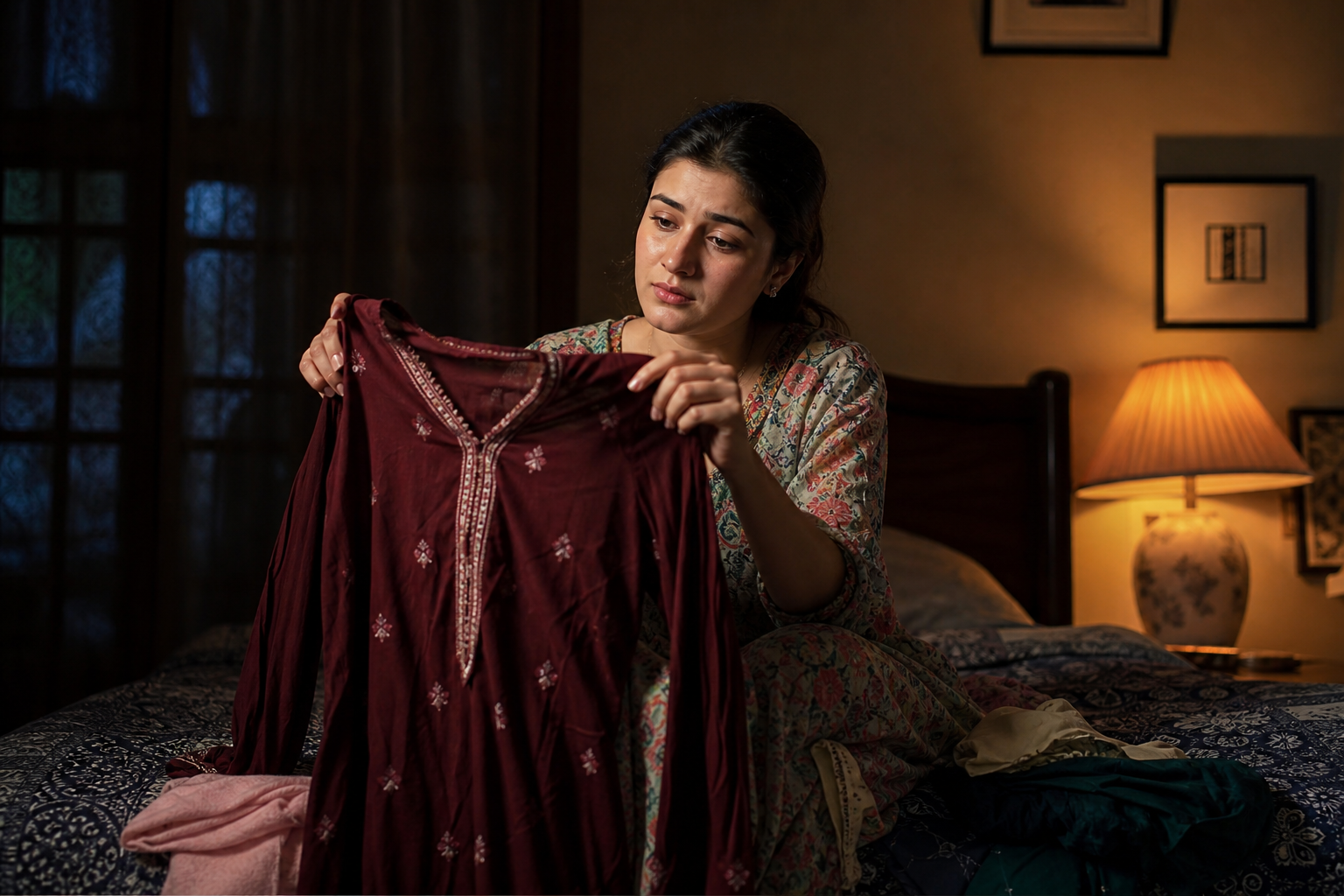
There’s a specific moment I remember from two years ago. I was sitting on the edge of my bed at 11 PM, holding up my favorite shalwar kameez from a cousin’s wedding — the deep maroon one with silver work that I’d worn three years before — and realizing it wouldn’t even close at the waist anymore. I sat there for a long time. Not crying exactly, but doing that thing where you replay the last few years in your head and wonder when, exactly, your body had become a stranger.
That’s the part nobody talks about. Weight gain in Pakistani women doesn’t usually happen because of one bad month or one lazy phase. It builds quietly — a daig of biryani at every family lunch, four cups of meethi chai a day, the years after marriage when everyone keeps saying “khao, khao, kamzori ho jaegi,” the pregnancies, the PCOS nobody warned you about, the way our bodies seem to hold on to every roti like it might be the last one.
Let’s be honest — I’ve tried it all. The 7-day soup diet (failed by day 3). The keto plan from a Western fitness influencer (impossible without rice and roti). The “fat cutter” capsules from the local pharmacy that gave me palpitations for three weeks. The slimming teas. The hakeem’s herbal pouches that smelled like burnt earth. Each time, I’d lose 4-5 kg, then gain back 6.
Here’s what actually works. After trying countless weight loss approaches and watching my friend Nadia — a natural remedies enthusiast who learned from her mother’s village wisdom — succeed where every modern plan failed me, I’ve put together what genuinely helps Pakistani women. Not magic. Not 10 kg in 10 days. But honest, doable, culturally realistic changes that produce real, lasting results.
What “Weight Loss” Actually Means for South Asian Women
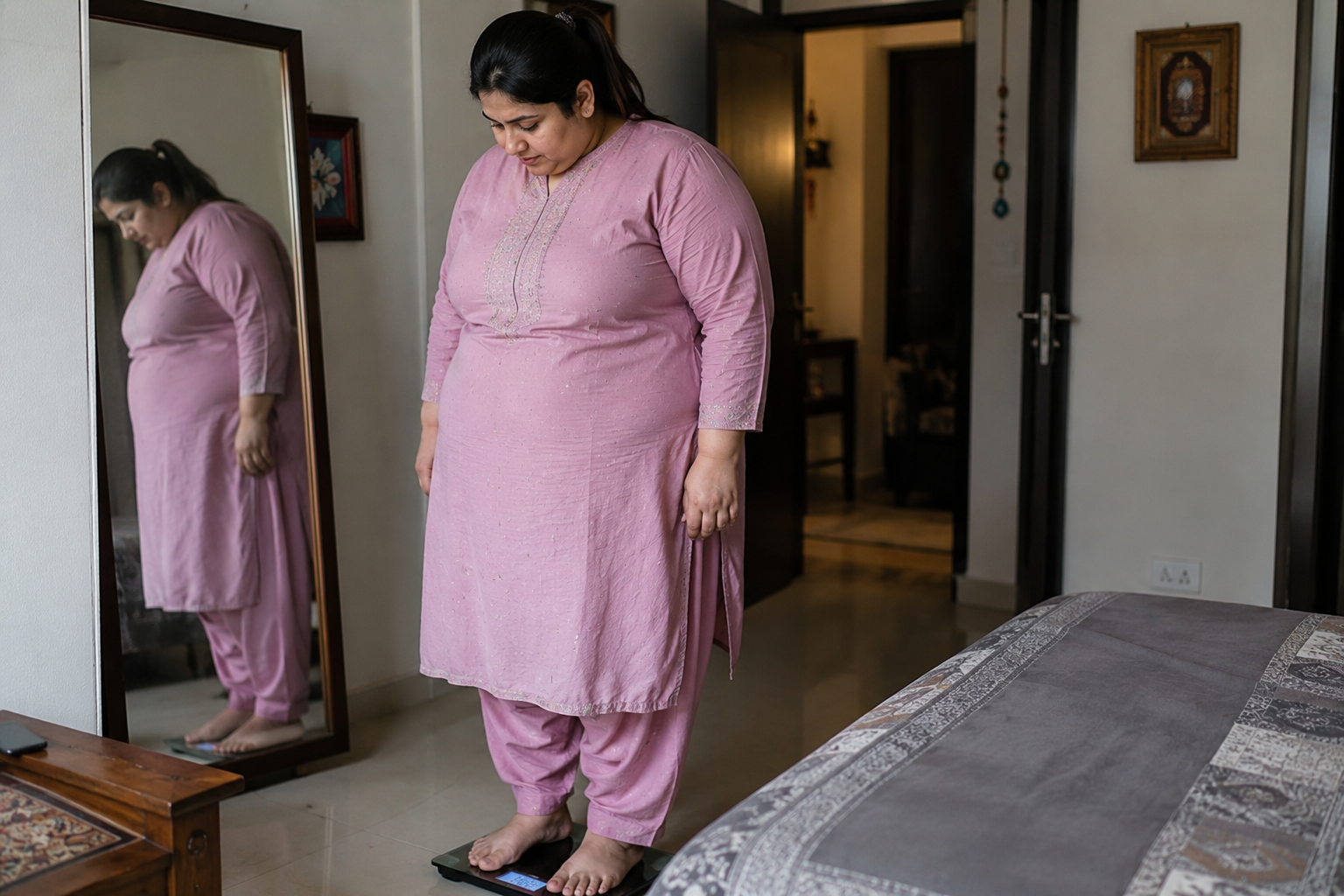
Weight loss for Pakistani women is biologically and culturally different from weight loss for Western women — and that’s the first thing most diet plans get wrong. According to a 2022 WHO report, South Asian women carry higher visceral fat at the same BMI as European women, which means belly fat is harder for us to lose and easier for us to regain.
What it IS:
- A consistent calorie deficit (eating slightly less than your body burns)
- A long-term shift in eating, movement, and sleep — not a 7-day fix
- Different for women with PCOS, hypothyroidism, post-pregnancy bodies
- About body composition, not just the scale number
What it ISN’T:
- Eliminating roti, rice, ghee, or any cultural food entirely
- Drinking detox teas or “fat cutter” supplements
- Starving yourself or skipping meals
- Following a Western keto/paleo plan that ignores how desi families eat
- A linear journey — plateaus are normal
The trick is this: small consistent shifts beat dramatic transformations every single time. The woman who walks 30 minutes a day and eats 2 rotis instead of 4 will outpace the woman who survives on boiled chicken for 10 days and binges on the 11th. Done right means understanding why, not just copying a recipe.
Quick Comparison: Weight Loss Methods for Pakistani Women
| Method | Cost (PKR/month) | Time to Results | Difficulty | Best For |
|---|---|---|---|---|
| Portion control + walks | Free | 4-6 weeks | Easy | Beginners, all ages |
| Methi water + diet changes | ~500 | 6-8 weeks | Easy | PCOS, insulin resistance |
| At-home strength training | Free | 6-8 weeks | Medium | Toning, after 30 |
| 8-hour eating window | Free | 4-6 weeks | Medium | No diabetes/pregnancy |
| Detox teas / supplements | 2,000-8,000 | None (mostly water loss) | N/A | Not recommended |
| Crash diets | Varies | Fast loss, fast regain | Hard | Not recommended |
15 Weight Loss Tips for Pakistani Women That Actually Work
Does Cutting Roti Really Help You Lose Weight?
No — eliminating roti completely usually backfires. Portion control works far better than elimination, and here’s exactly how to do it.
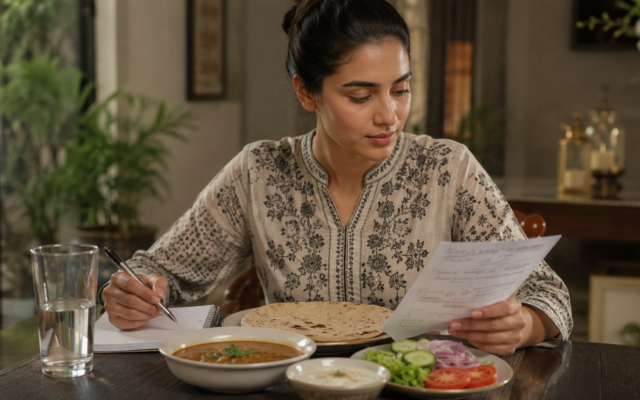
Roti is not your enemy. Eating 4-5 rotis per meal is. The simplest weight loss tip for Pakistani women is also the most ignored.
How to do it:
- Use a smaller 8-inch plate instead of the standard 10-inch
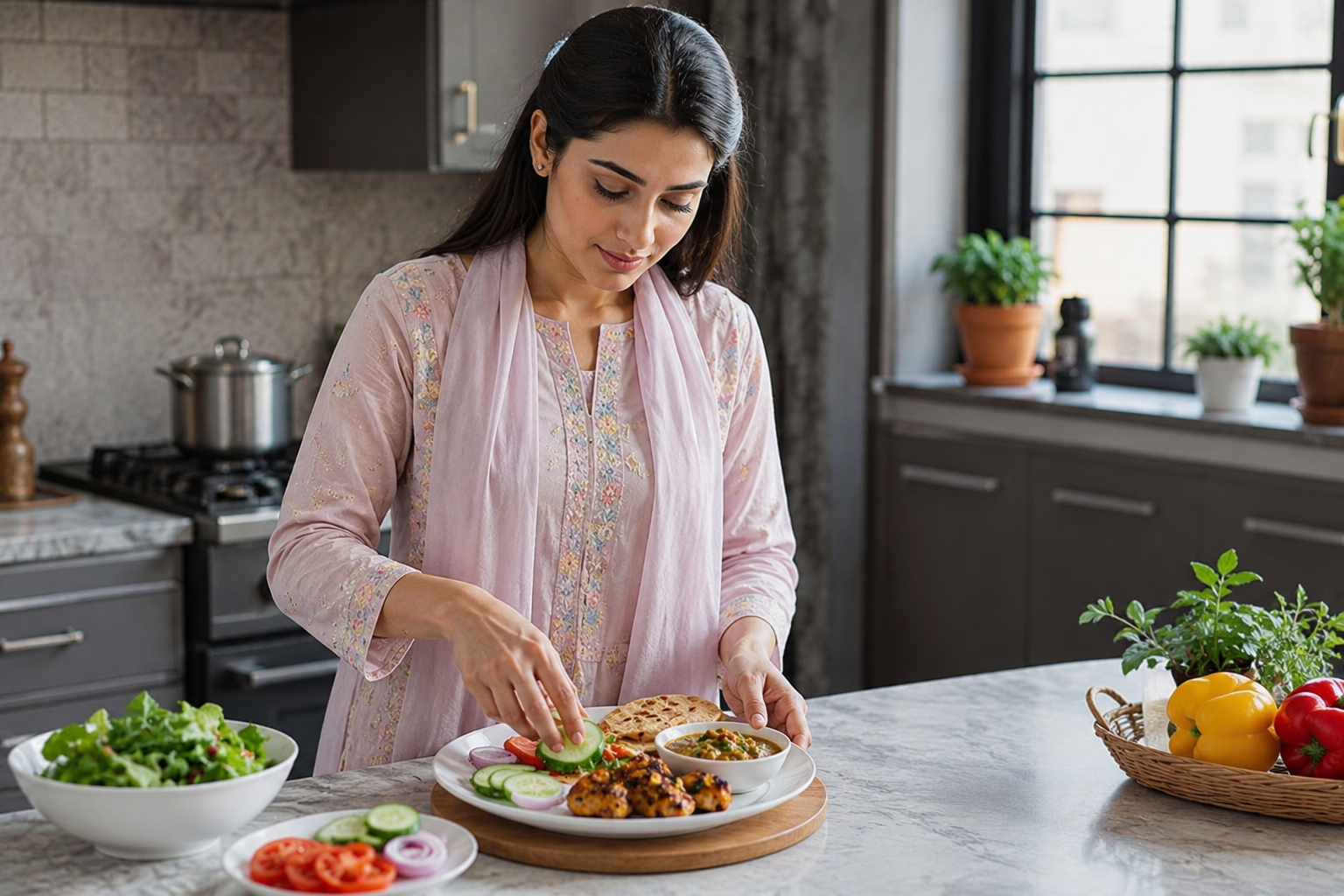
- Fill half the plate with sabzi or salad first
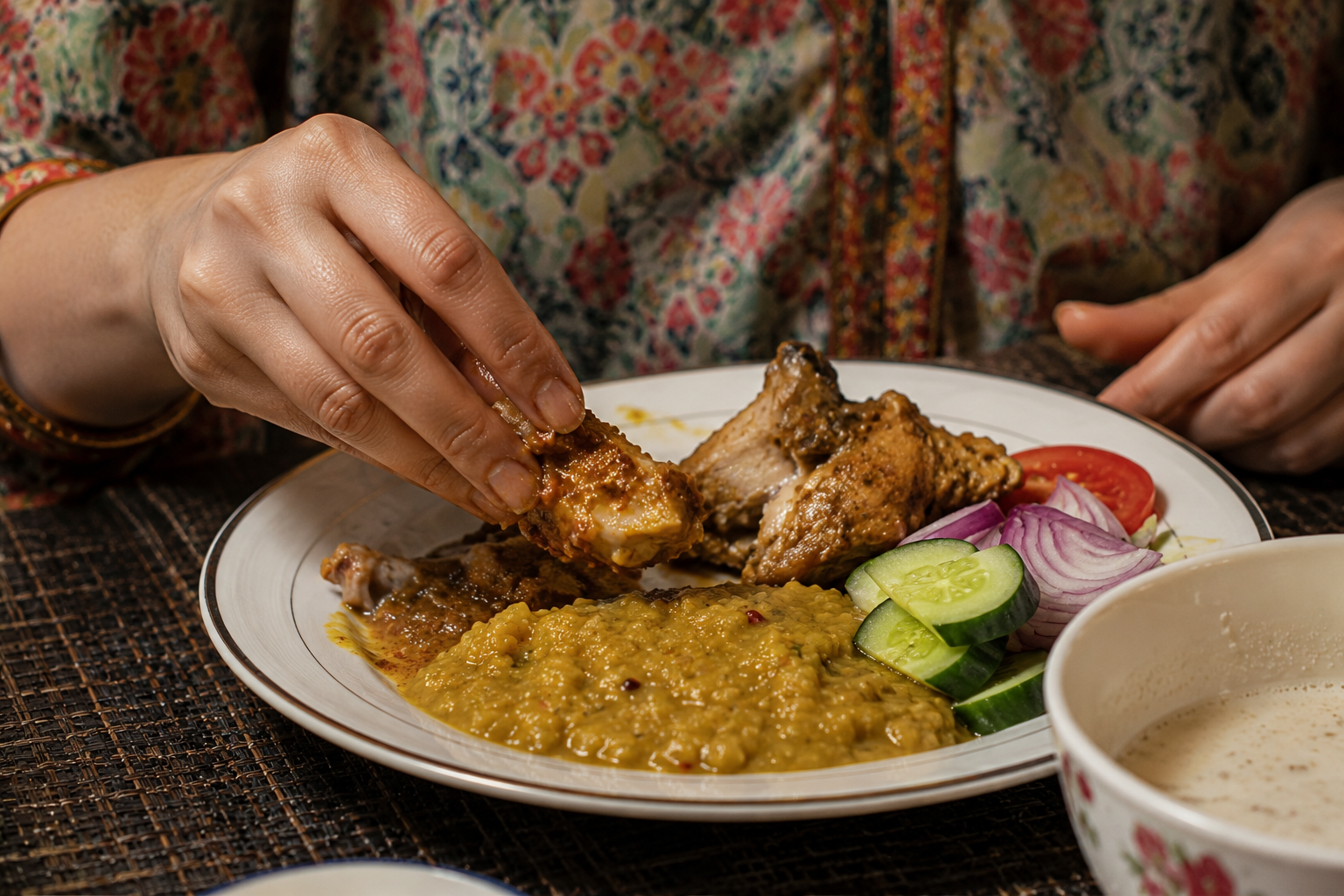
- Add protein (chicken, daal, eggs) second
- Roti goes on the side, not the center — 1 to 2 rotis maximum
- Eat slowly — give your brain 20 minutes to register fullness
Best for: Every Pakistani woman, every age, any starting weight.
I tried this myself when nothing else was working. The first three days were genuinely uncomfortable — my body was used to that heavy, sleepy fullness after meals. By the end of week two, I felt lighter. By week four, I’d lost 1.8 kg without changing anything else.
Done right: 1-2 rotis with double sabzi and protein = sustainable loss. Done wrong: Skipping roti completely for three days, then bingeing on 6 rotis at a family dinner = no progress, all guilt.
💡 Pro Tip: The mistake most women make is announcing they’re “cutting carbs” at family meals. Eat your portions quietly. No one needs a speech.
2. Protein First, Carbs Last
Here’s something most desi women don’t know: the order you eat your meal affects how much fat your body stores.
When you eat chicken or daal first, then your roti or rice, your blood sugar spikes less dramatically. According to research published in the Journal of Obesity in 2021, protein-first meal sequencing can reduce post-meal glucose spikes by up to 73% in people with insulin resistance.
Less spike = less insulin = less fat storage. Trust me on this — it’s the single easiest change with the biggest hidden impact.
How to do it:
- Take 4-5 bites of protein (chicken, fish, daal, eggs) before touching roti or rice
- Eat sabzi alongside protein
- Save the carbs for last
Best for: Working women, women with PCOS, anyone with insulin resistance.
Cost: Free — just rearrange how you eat.
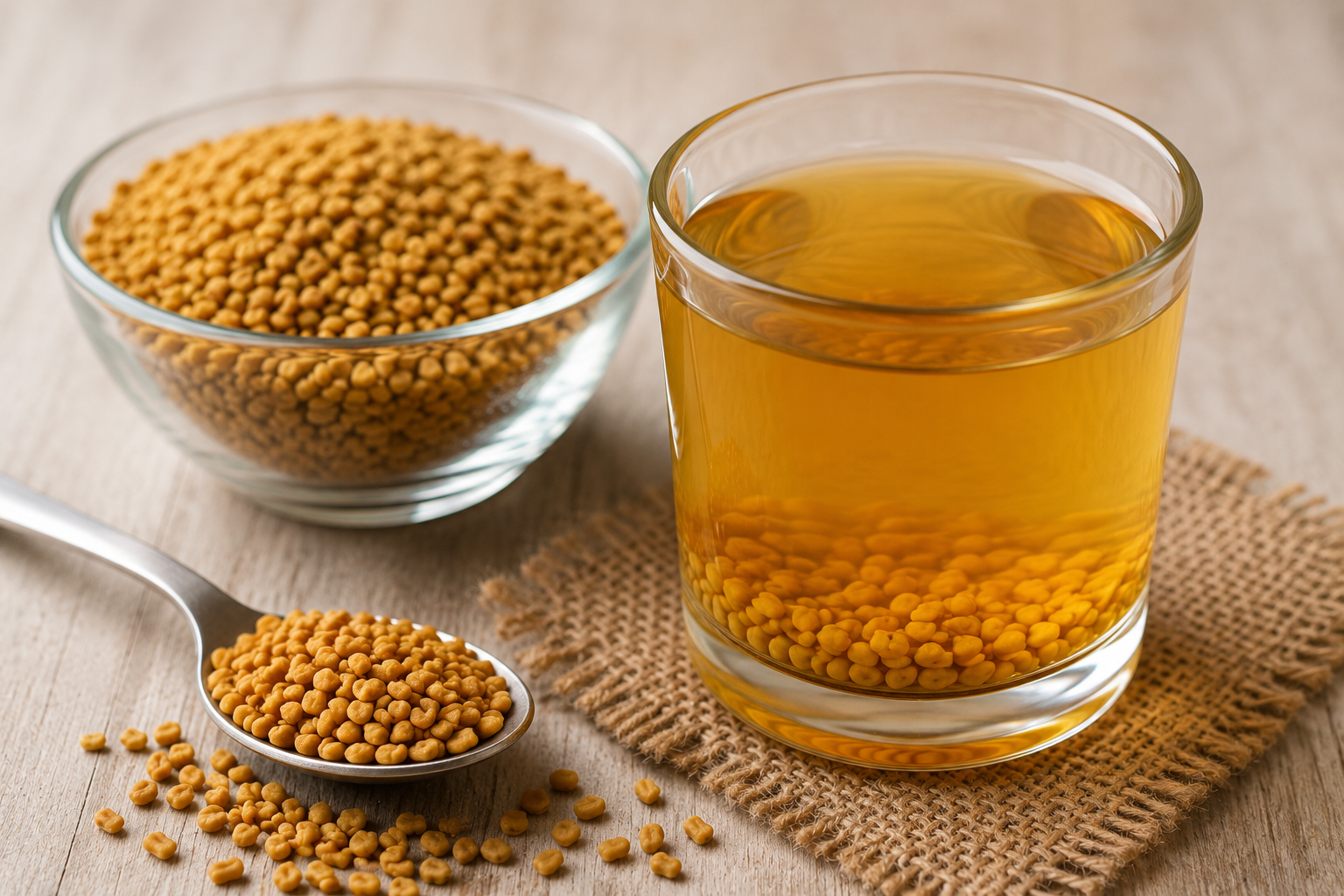
3. Does Methi Dana Water Actually Help With Weight Loss?
Some research suggests methi (fenugreek) may help with blood sugar control and appetite, but it works best as a supportive habit — not a standalone weight loss solution.
Nadia taught me this one. She started drinking methi water every morning after her mother told her it had been their family’s pre-Eid weight management trick for generations. Her mother had a saying: “Yeh paani peeti raho, sara mahina meetha bhi khao, kuch nahi hoga.”
I was skeptical at first. The water tastes earthy and slightly bitter — not pleasant. But after 6 weeks, my sugar cravings genuinely reduced.
How to make it: Soak 1 teaspoon methi seeds in a glass of water overnight. In the morning, drink the water and chew the soaked seeds.
Best for: Women with PCOS, sugar cravings, irregular periods.
Cost: Under PKR 500/month.
Honest note: This is a supportive remedy, not a magic solution. It won’t work if your overall diet is wrong. Avoid if pregnant or trying to conceive — methi may stimulate uterine activity.
4. The 10-Minute Post-Meal Walk
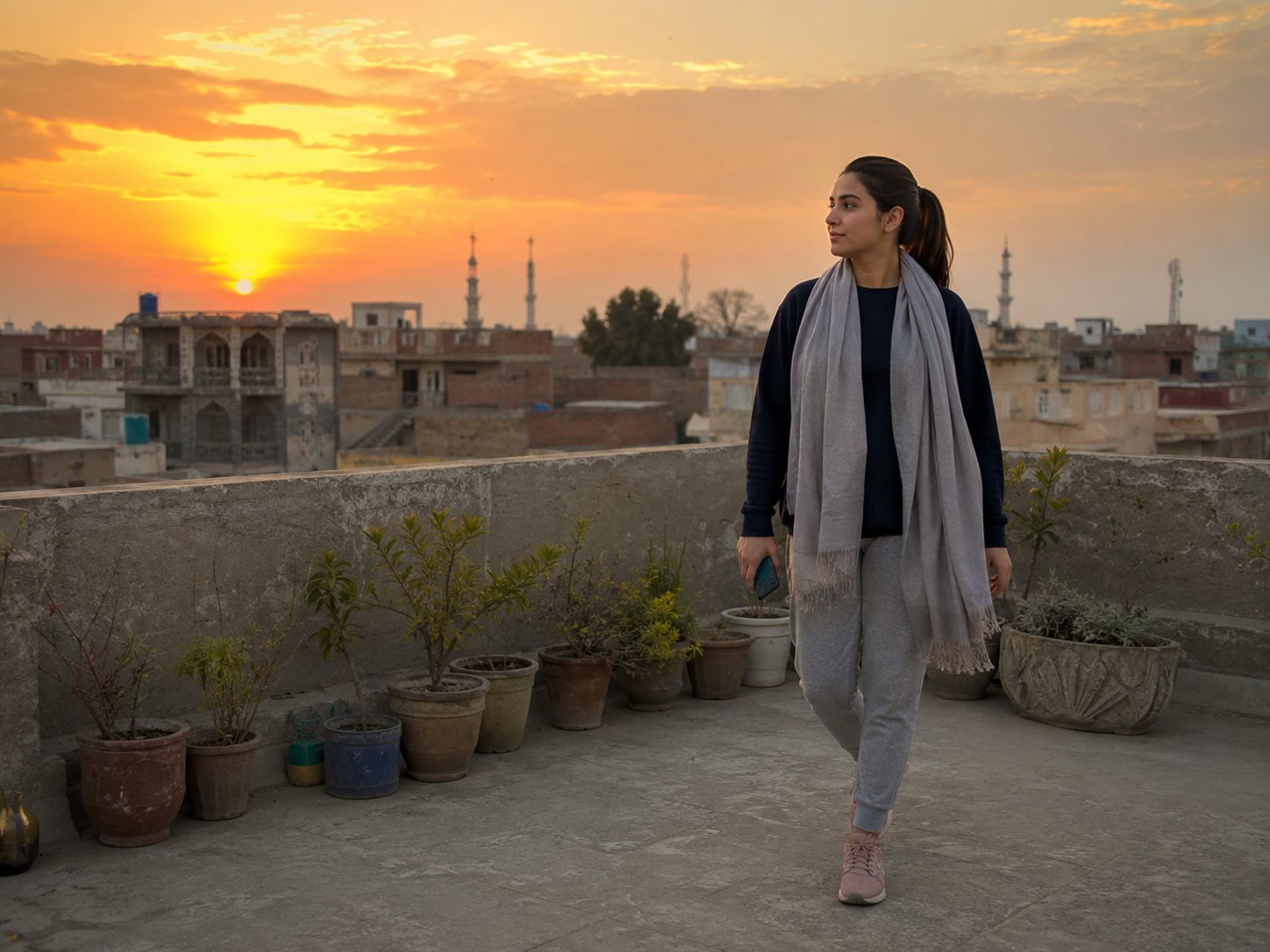
If I could give Pakistani women only one weight loss tip, it would be this. After lunch and dinner, walk for 10 minutes. That’s it. No gym, no equipment, no special clothes. Just walk — around your terrace, your gali, your house if needed.
A 2024 review in the British Medical Journal found that walking 7,000-8,000 steps daily reduces all-cause mortality and meaningfully supports weight management. Post-meal walks specifically improve glucose response.
How to do it: Set a phone alarm for 15 minutes after each major meal. Walk briskly enough that you can talk but not sing.
I learned this the hard way after months of struggling. I’d been doing 45-minute morning walks and getting nowhere. The shift to short post-meal walks — even when the morning walks dropped to 20 minutes — produced more visible results within 4 weeks.
Best for: Sedentary women, office workers, mothers who don’t have gym time.
💡 Pro Tip: If walking outside isn’t possible (heat, weather, safety, family expectations), walk inside. 10 minutes of pacing back and forth in your room counts. Steps are steps.
5. The 8-Hour Eating Window (Soft Intermittent Fasting)
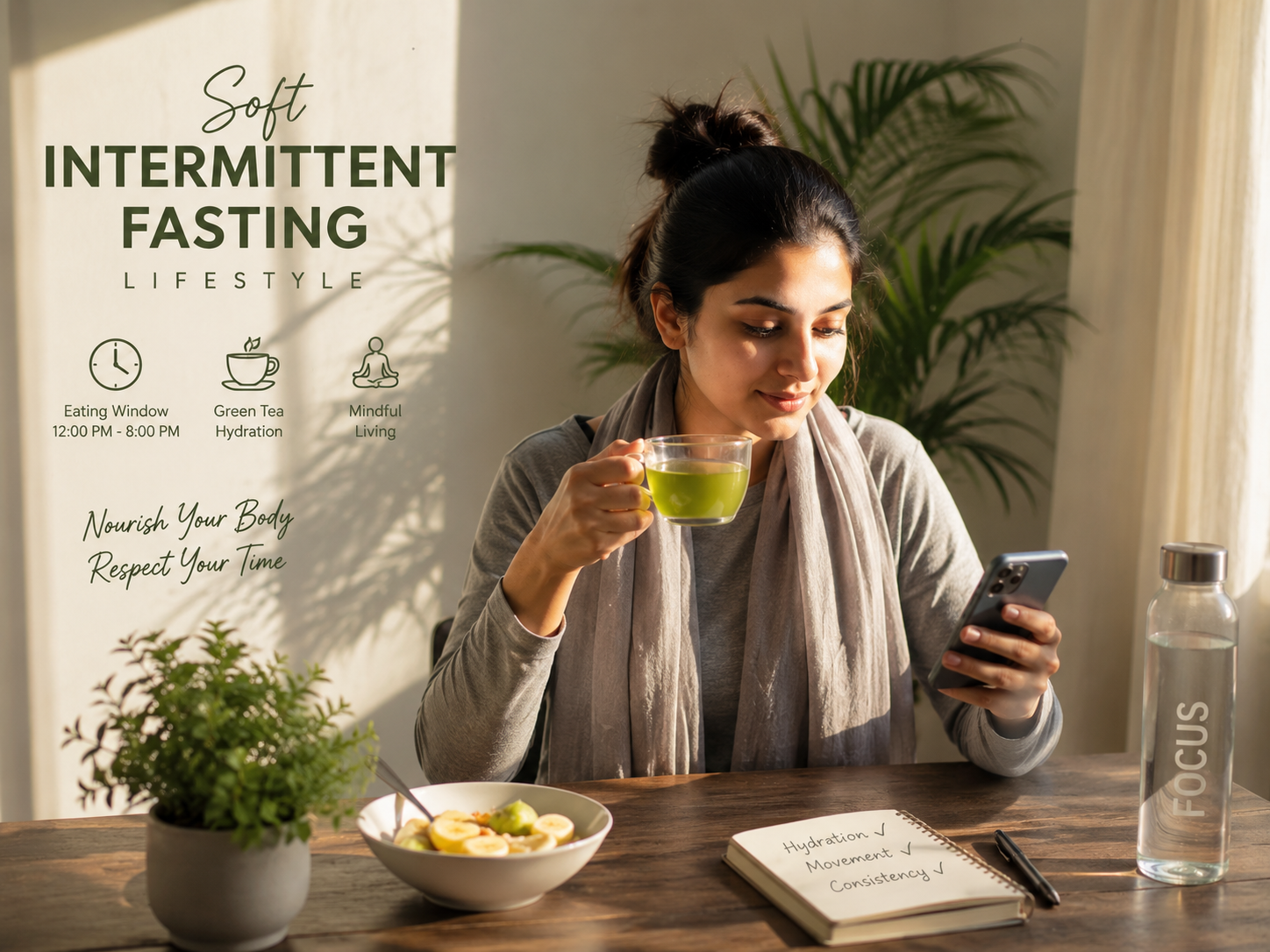
Soft intermittent fasting works beautifully for Pakistani women — when done right.
How to do it:
- Last meal of the day by 8 PM
- First meal of the next day at 10 AM
- That gives you a 14-hour overnight fast and a 10-hour eating window
- Drink water, green tea, or plain chai (no sugar) during the fasting window
This naturally aligns with how many Pakistani families used to eat before late-night samosa runs and 11 PM chai became normal.
Best for: Women without diabetes, not pregnant, not breastfeeding.
⚠️ Important safety note: Not safe for pregnant women, breastfeeding mothers, or women with eating disorder history. Consult your doctor first if you have diabetes or take regular medication.
6. Swap One Sweet Chai for Green Tea
I know — chai is sacred. I’m not asking you to give it up.
But let’s be honest: if you drink 4-5 cups of meethi chai per day with 2 teaspoons of sugar each, you’re consuming approximately 80-120 calories per cup just from sugar. That’s 400-600 calories from chai alone. Swapping just ONE cup for unsweetened green tea saves you 80-150 calories per day with minimal sacrifice.
How to do it: Replace the 4 PM or evening chai with green tea. Keep your morning chai sacred if it brings you joy.
Cost: Under PKR 800/month.
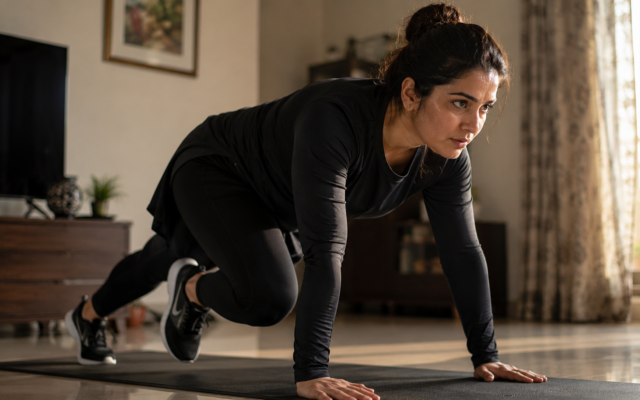
7. The 15-Minute At-Home Strength Workout
You don’t need a gym. You need consistency.
Try this circuit (3 rounds):
- 15 squats
- 10 lunges per leg
- 20-second plank
- 15 glute bridges
- 30 seconds rest between rounds
That’s 15 minutes, 4-5 times a week.
Honestly, I think the “I don’t want to look bulky” fear that stops most desi women from strength training is completely overhyped. After testing this approach on myself and watching Nadia transform her body shape in 4 months, I’ve stopped recommending cardio-only routines. Women simply don’t bulk up from bodyweight work — it’s biologically very difficult without intense weightlifting and high protein intake.
Best for: Privacy-conscious women, women in joint families with no gym time, mothers with young children.
💡 Pro Tip: Do this in your bedroom with the door locked if family makes you self-conscious. No one needs to know.

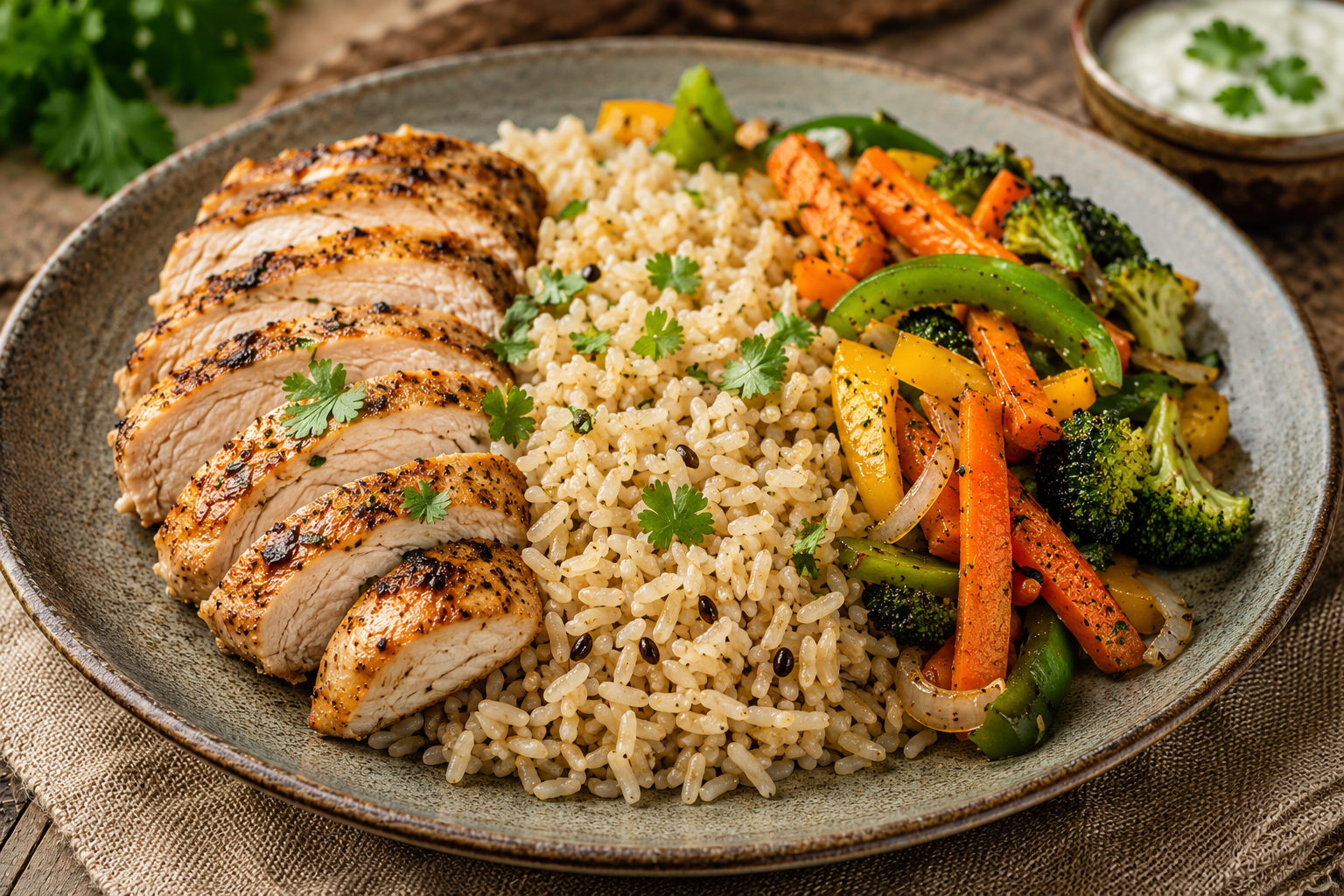
8. Brown Rice Over White Rice (Mostly)
You don’t have to give up biryani forever. But your daily plain rice or pulao can absolutely be brown rice.
How to do it: Replace daily white rice with brown rice 4-5 days a week. Keep white rice for special occasions (biryani Fridays, family events).
Best for: PCOS, insulin resistance, women who eat rice daily.
9. Why Is Sleep So Important for Weight Loss?
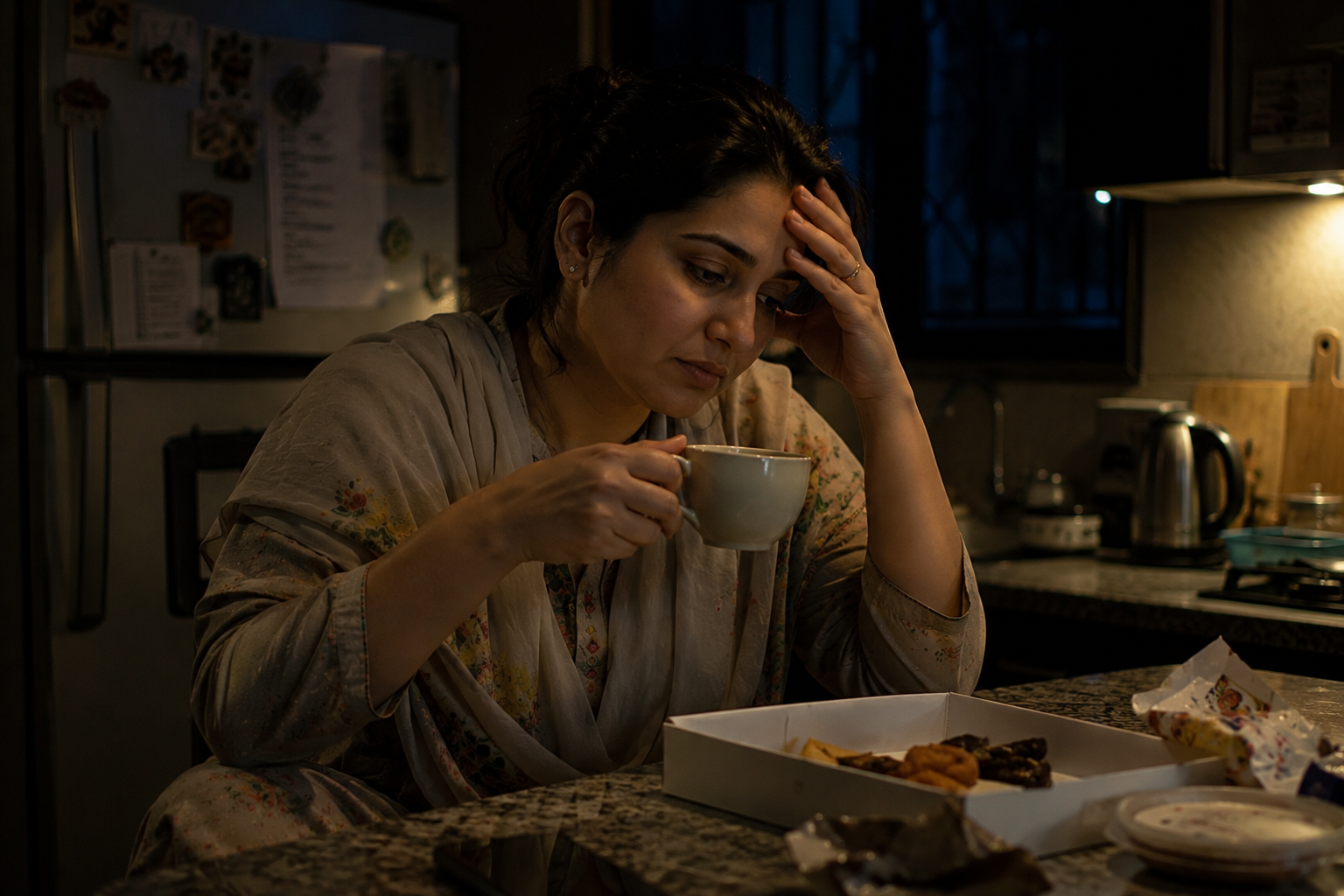
Poor sleep raises cortisol, which directly drives belly fat storage — meaning you can do everything else right and still struggle to lose weight if you sleep less than 6 hours per night.
This one is hard, especially for mothers and working women. But sleep deprivation is one of the biggest unspoken causes of weight gain in Pakistani women.
How to do it:
- Consistent bedtime (10:30-11 PM)
- No phone last 30 minutes before sleep
- Cool, dark room
- No heavy meals 2 hours before sleep
Best for: Everyone — but especially women over 35, women with PCOS, women dealing with stubborn belly fat.

10. Stress Management (Yes, This Counts as Weight Loss)
Pakistani women carry an unusual amount of emotional labor — household management, child-rearing, family expectations, in-law dynamics, financial worries. All of this raises cortisol. All of this stores fat, particularly around the midsection.
How to manage it:
- 15-20 minutes daily for yourself (walk, journal, prayer, yoga, anything)
- Saying no to family obligations when you’re exhausted
- Therapy or counseling if needed (no shame in this — please consult your doctor for a referral)
- 5 minutes of deep breathing before sleep
Best for: Mothers, daughters-in-law, working women, primary caregivers.
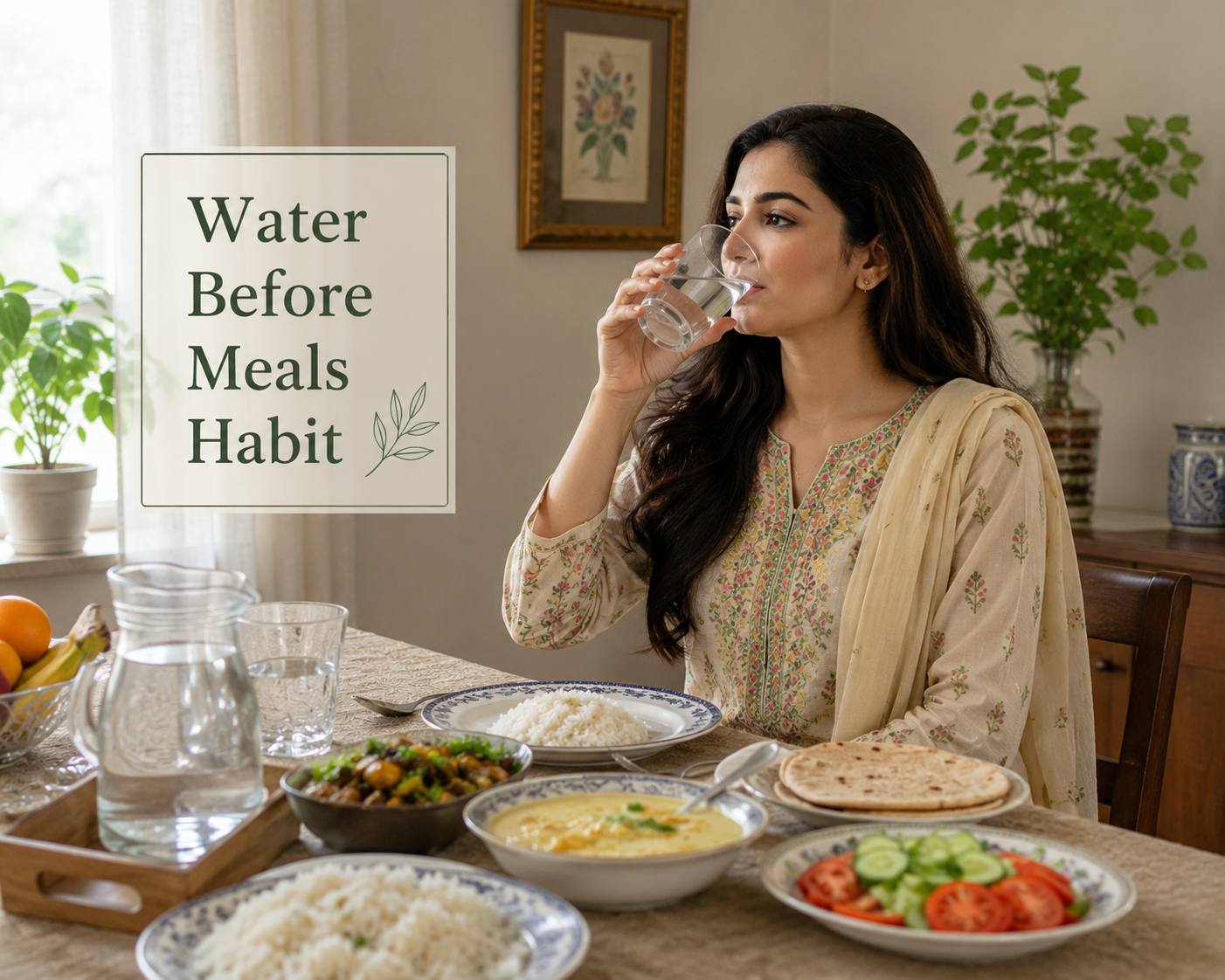
11. Water Before Every Meal
One glass of water, 20-30 minutes before lunch and dinner.
Studies show drinking water before meals can reduce calorie intake by approximately 75-90 calories per meal. Over a month, that’s 4,500-5,400 calories saved — roughly 0.5-0.7 kg of fat loss from this single habit.
Cost: Free.
12. Jeera (Cumin) Water in the Morning
Boil 1 teaspoon of jeera seeds in a glass of water for 5 minutes. Strain. Drink warm on empty stomach.
Some research suggests cumin may have a mild metabolic effect and supports digestion. In my experience, the bigger benefit is reduced bloating within a week. Honest rating: 6/10 — supportive, not transformative.
Cost: Under PKR 300/month.
13. Stop Eating Standing Up
This is small but matters. When you grab biscuits standing in the kitchen, eat leftover rice while clearing the table, or finish your child’s plate — you’re consuming 200-400 extra calories you don’t even register.
Rule: If you’re not sitting at a table with a plate, you’re not eating.
I made this mistake for years before realizing it. Done right means treating every bite as a real meal.

14. The Smaller Plate Trick
Switch from a standard 10-inch dinner plate to an 8-inch one. Your portions automatically shrink by 20-30%. Your brain registers a “full plate” regardless of actual quantity.
Sound too simple? That’s exactly why it works.
15. Track Honestly for 14 Days
Most Pakistani women have no idea how much they actually eat. Track everything for two weeks — every chai, every roti, every snack, every “just one bite” while serving the kids. Use a free app or just a notebook.
What you’ll find: you’re probably eating 500-800 calories more than you think, mostly from “small” things — chai sugar, cooking oil, biscuits with chai, family-pressure snacks.
Awareness alone often produces 1-2 kg loss in the first month.
Also Read: How to Remove Dark Circles Under Eyes Naturally
The Biggest Mistakes Pakistani Women Make
After trying every wrong way before figuring out the right way, here’s what most of us get wrong:
The mistake most women make is trying to eliminate carbs entirely. Cutting roti and rice completely from a desi diet sets you up for failure within 3 weeks. Portion control works. Elimination doesn’t.
Other common traps: doing extreme fasts before weddings (you’ll regain everything plus extra within 2 weeks), trusting “fat cutter” supplements (they don’t work and can be dangerous), skipping breakfast entirely (causes binge eating at lunch), avoiding strength training out of fear of “looking bulky” (myth), and comparing yourself to Western influencers whose bodies, food culture, hormones, and stress levels are completely different.
Done right, this whole journey takes 6-12 months. Done wrong, you’re spending PKR 50,000 on supplements that make you sicker.
When to See a Doctor
Home remedies and lifestyle changes are powerful, but they’re not always enough. Please consult your doctor if:
- You’re gaining weight despite eating healthy and exercising (could indicate thyroid issues)
- You have very irregular periods, facial hair, or sudden weight gain (could be PCOS)
- You feel constantly tired, cold, or have unexplained hair fall
- You’ve had a recent baby and weight isn’t coming off after 6 months
- You’re dealing with disordered eating, binge cycles, or food anxiety
- You take medications that may affect weight (steroids, antidepressants, hormonal contraceptives)
A simple blood test for thyroid (TSH), insulin (HbA1c), and vitamin D can change your weight loss journey entirely. NIH data indicates women with PCOS have approximately 50% greater difficulty losing weight than women without the condition — meaning medical support, not willpower, may be the missing piece. Don’t skip this step.
Frequently Asked Questions
Q: How can a Pakistani woman lose weight without giving up roti? A: Reduce the number of rotis per meal from 3-4 to 1-2, pair them with more sabzi and protein, and make sure they’re whole wheat (atta), not maida. Portion control works better than elimination for long-term success. Most women lose 2-3 kg in the first month with this single change.
Q: How much weight can I realistically lose in 1 month? A: A safe and sustainable rate is 2-4 kg per month. Anything faster usually returns within 6-12 weeks, often with extra weight added. Focus on consistent habits — the kilograms will follow naturally.
Q: Does PCOS make weight loss impossible for Pakistani women? A: No, but it makes it significantly harder. Women with PCOS need to focus on insulin-friendly eating (lower refined carbs, higher protein, lots of fiber), regular strength training, and stress management. Many women with PCOS lose weight successfully with patience and the right approach. Consult your doctor about possible medication support like metformin.
Q: Is intermittent fasting safe for Pakistani women? A: For most healthy, non-pregnant women, a 14:10 or 16:8 fasting pattern is safe. It’s not safe during pregnancy, breastfeeding, if you have diabetes managed with insulin, or if you have a history of eating disorders. Always consult your doctor first.
Q: Why am I gaining weight after marriage? A: Common reasons include changed eating patterns (heavier meals at in-laws, more family events), hormonal contraceptives, reduced physical activity, adjustment stress, and natural hormonal changes. None of this is your fault — and all of it can be managed with consistent small habits.
Q: Can I lose weight without going to the gym? A: Absolutely. Walking, at-home bodyweight workouts, climbing stairs, and yoga can all create the muscle and movement needed for weight loss. Many Pakistani women lose 10+ kg without ever stepping into a gym.
Q: How do I lose belly fat after pregnancy? A: Postpartum belly fat needs patience and time — usually 6-12 months for significant changes. Focus on whole foods, breastfeeding (burns calories), gentle daily walking, and once cleared by your doctor (usually 6-8 weeks postpartum), core-strengthening exercises. Don’t compare yourself to celebrities — their timelines are not realistic.
Q: Do detox teas and slimming teas actually work? A: Honestly, no. Most “detox teas” work through a mild laxative effect, causing temporary water loss — not fat loss. Save your money. Plain green tea is fine and inexpensive; expensive “slimming teas” are not worth it.
Q: What’s the best Pakistani breakfast for weight loss? A: A protein-rich breakfast like 2 boiled eggs with 1 small whole-wheat paratha and dahi, or chana daal with 1 roti, or yogurt with chia seeds and one fruit. Avoid sugary cereals, white bread, and heavy parathas swimming in oil.
Q: Why am I not losing weight even though I’m eating less? A: Common reasons: you’re eating less but the wrong foods (skipping meals then bingeing), an underactive thyroid, poor sleep, high stress, or underestimating hidden calories (chai sugar, cooking oil, snacks). Track honestly for 14 days to find the gap. If nothing changes after 6 weeks of genuine effort, consult your doctor for blood work.
Q: Can I drink chai while trying to lose weight? A: Yes — but reduce the sugar and milk quantity. 1-2 cups daily with half a teaspoon of sugar instead of two is fine. The problem isn’t chai itself; it’s the cumulative sugar and milk load when consumed 4-5 times daily.
Q: How long does it take to lose 10 kg as a Pakistani woman? A: At a healthy, sustainable rate of 2-3 kg per month, expect 3-5 months for 10 kg loss. Faster is usually unsustainable and damages metabolism. Slower is also completely fine — what matters is keeping it off long-term.
Q: Does cumin (jeera) water really help reduce belly fat? A: Some research suggests cumin may support mild metabolic and digestive improvements, which can indirectly help with belly fat. However, it’s a supportive remedy — not a fat-burner. Drinking jeera water without changing your diet or movement won’t produce significant results.
Q: Is it true that walking 10,000 steps a day is necessary for weight loss? A: No — 7,000-8,000 steps daily is sufficient for most women to support weight loss, according to a 2024 BMJ review. The 10,000-step target originated from a Japanese marketing campaign, not science. Aim for whatever you can do consistently rather than chasing an arbitrary number.
People Also Ask
❓ What’s the difference between weight loss for South Asian women vs Western women? → South Asian women carry higher visceral fat at the same BMI as European women, are more genetically prone to insulin resistance and PCOS, and culturally consume more refined carbohydrates. This means our weight loss approach needs to focus more on insulin management, protein intake, and stress reduction — not just calorie counting.
❓ Why is belly fat the hardest to lose for desi women? → Belly fat in South Asian women is driven by genetics, insulin resistance, chronic stress, sleep deprivation, and high cortisol levels. Spot reduction isn’t possible, but combining strength training, sleep optimization, stress management, and protein-focused eating produces results within 8-12 weeks.
❓ Can desi food actually support weight loss? → Yes — daal, sabzi, dahi, lean grilled meats, whole grains, and traditional spices like haldi and jeera all support weight loss. The problem isn’t desi food; it’s the modern version (more oil, more refined carbs, larger portions, more frequent meals) that causes weight gain.
❓ What’s the single most important habit for weight loss in Pakistani women? → Consistent daily movement — specifically a 10-minute walk after lunch and dinner. This single habit improves glucose response, supports digestion, and burns 200-400 extra calories per week with virtually no effort or cost.
Quick Summary — Weight Loss for Pakistani Women
✅ Best foundation: Portion control + post-meal walks ⏱ Time to results: 4-6 weeks for visible change, 3-5 months for 10 kg 💰 Budget option: Methi water + walking (under PKR 500/month) ⚠️ Avoid if: Pregnant, breastfeeding, or have diabetes (skip fasting) 👩⚕️ See a doctor if: Weight isn’t moving despite consistent effort for 6+ weeks 📌 Top tip: Eat protein before carbs at every single meal
Closing Thoughts
Two years after that night sitting on my bed holding up that maroon shalwar kameez, I can fit into it again. Not because I followed a magic plan or starved myself or spent money on supplements that promised miracles. Just because I slowly, imperfectly, day by day, built habits that fit my real life as a Pakistani woman.
Some weeks I lost. Some weeks I gained. Some months I plateaued. But the trajectory, over time, went in the right direction.
Nadia, who has been on this journey alongside me, says her mother used to tell her: “Beta, thora khao, dher chalo. Tension mat lo. Sub theek ho jata hai.” Eat a little less, walk a little more, don’t stress. Everything works out.
After all the diet plans and supplements and Instagram trends, that’s still the best weight loss advice I’ve ever received.
You don’t need a dermatologist’s budget. You don’t need a personal trainer. You don’t need to give up your culture, your food, or who you are. You just need to start — and then keep going.
Whichever tip on this list calls to you the loudest, start there. Tomorrow morning. Just one change.
That’s enough.
All information shared in this article is for informational purposes only and does not constitute medical advice. Please consult your doctor before making significant changes to your diet, exercise routine, or starting intermittent fasting — especially if you have any medical conditions, take regular medication, or are pregnant or breastfeeding.
Leave a Comment
Share your thoughts or questions about this article!