Healthy Pregnancy Diet — Quick Answer
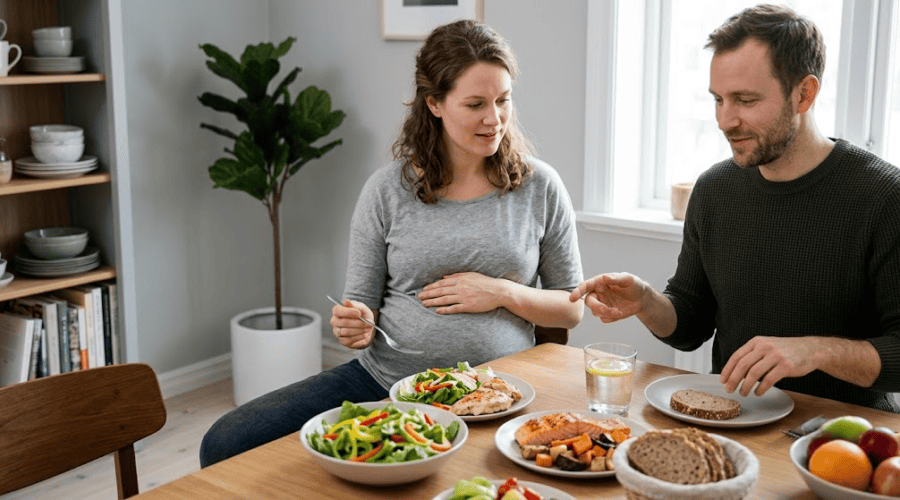
A healthy pregnancy diet is built on variety and balance rather than “eating for two.” Focus on plenty of vegetables and fruits, whole grains, good protein sources such as lentils, beans, eggs, and lean meat, and calcium-rich foods like milk, yogurt, and cheese. Stay well hydrated, take the prenatal supplements your doctor recommends (especially folic acid and iron), and avoid raw or undercooked foods, unpasteurised dairy, and excess caffeine. Every pregnancy is different, so always follow the personalised guidance of your own doctor.
Pregnancy is a time when good nutrition matters more than ever — for your own health and for your growing baby. But with so much advice floating around, it can be hard to know what to actually put on your plate. The reassuring truth is that a healthy pregnancy diet is not complicated or expensive. It mostly means eating a sensible variety of everyday foods, in the right balance, while being a little more careful about a few specific things. This guide breaks it down simply, but remember: it is general information, not a replacement for the advice of your own doctor or midwife.
The “Eating for Two” Myth
One of the most common misunderstandings is that pregnancy means eating twice as much. In reality, most women need only a modest increase in calories, and mainly in the later months. What changes far more than the amount of food is the quality. Your body needs more of certain nutrients — such as folic acid, iron, calcium, and protein — to support your baby’s development. So the goal is to eat a little more thoughtfully, not simply more.
Foods to Fill Your Plate With
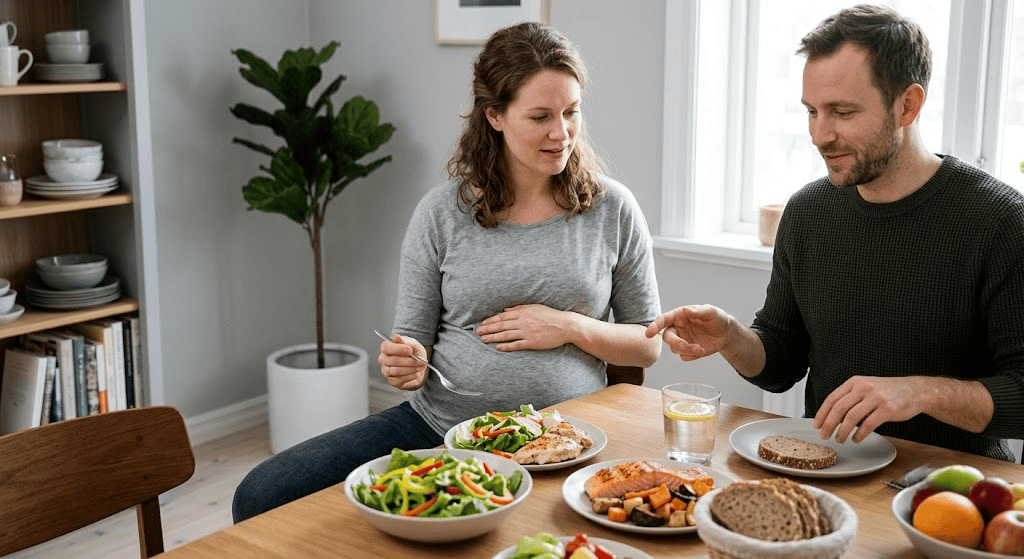
A well-rounded pregnancy diet draws from several food groups every day. Aim for balance across your meals rather than perfection at every single one. A nourishing start to the day helps, so browse our healthy breakfast ideas for pregnancy-friendly options.
Vegetables and Fruits
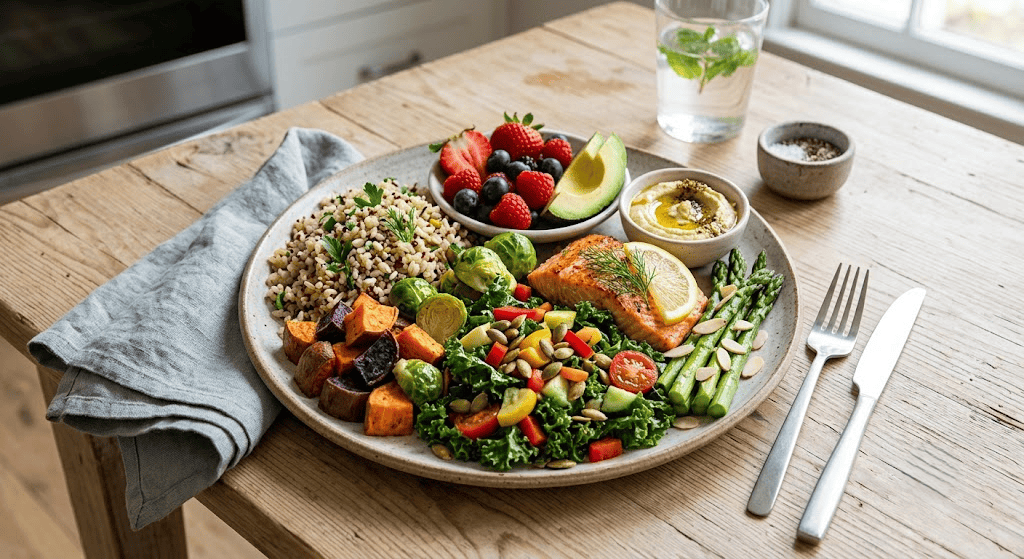
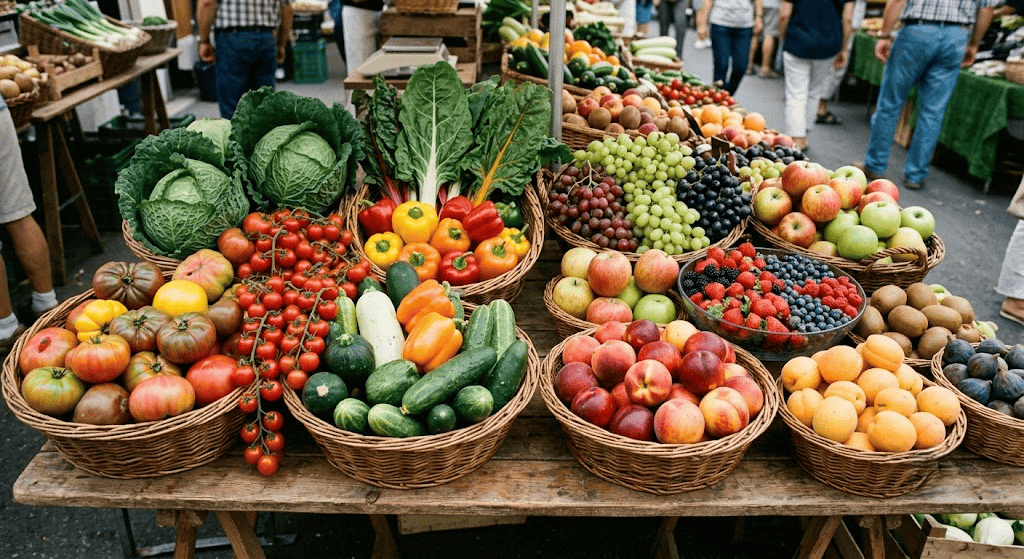
These provide vitamins, minerals, and fibre that support digestion and help prevent constipation, a common pregnancy complaint. Try to include a range of colours — leafy greens, carrots, tomatoes, citrus, and seasonal fruit. Wash all produce thoroughly before eating.
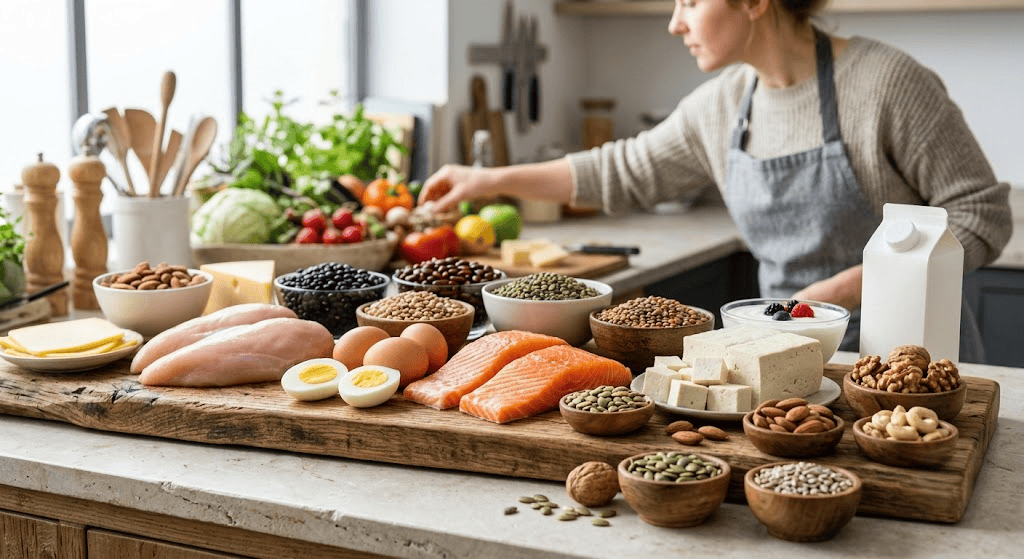
Protein Sources
Protein is essential for your baby’s growth. Good options include lentils (daal), chickpeas, beans, eggs, yogurt, and well-cooked lean meat or chicken. For vegetarians, combining lentils and beans with grains provides quality protein affordably.
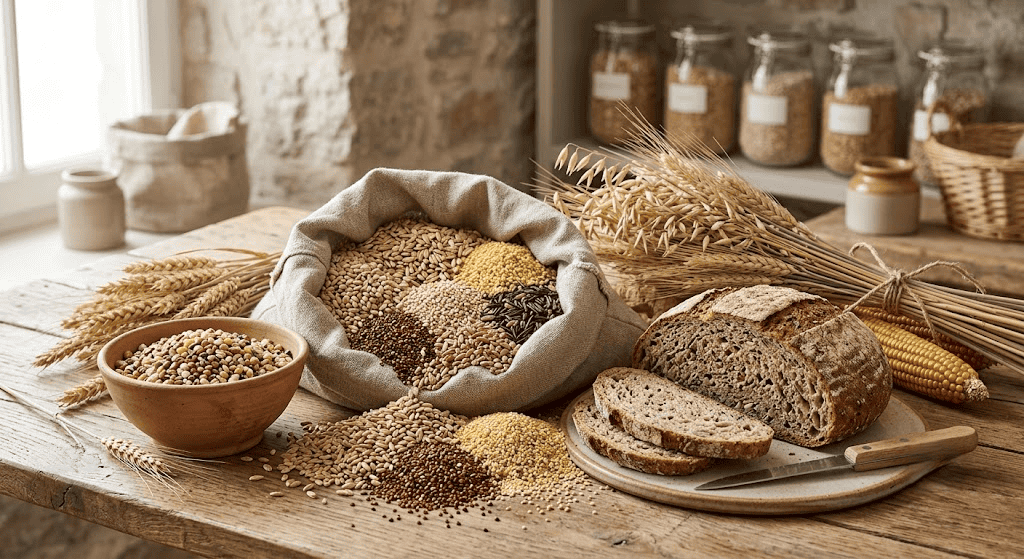
Whole Grains
Whole wheat roti, brown rice, oats, and other whole grains give steady energy and fibre. They help you feel fuller for longer and support stable blood sugar.
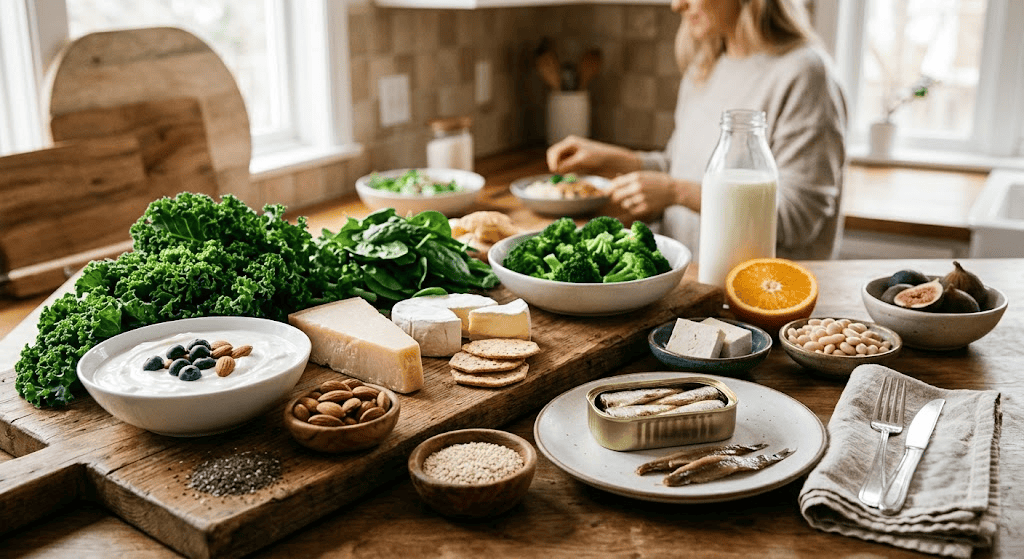
Calcium-Rich Foods
Calcium supports your baby’s developing bones and teeth. Milk, yogurt (dahi), cheese, and leafy greens are good sources. If you cannot tolerate dairy, ask your doctor about suitable alternatives.
Key Nutrients During Pregnancy
- Folic acid: Crucial in early pregnancy for the baby’s brain and spine. Found in leafy greens and fortified foods, and usually recommended as a supplement.
- Iron: Supports the extra blood your body makes. Found in lentils, beans, meat, and greens. Many women need an iron supplement — follow your doctor’s advice.
- Calcium: For bones and teeth, from dairy and greens.
- Protein: For overall growth, from lentils, eggs, and meat.
Do not start any supplement on your own. Your doctor will recommend the right prenatal vitamins and doses based on your individual needs and any blood tests.
Foods and Drinks to Avoid or Limit
Certain foods carry a higher risk during pregnancy and are best avoided or limited. This is one area where being careful genuinely matters.
- Raw or undercooked meat, eggs, and fish — cook everything thoroughly.
- Unpasteurised milk and soft cheeses made from unpasteurised milk.
- Excess caffeine — most guidance suggests keeping it low; ask your doctor about a safe limit.
- Alcohol — best avoided entirely during pregnancy.
- Unwashed produce and street food where hygiene is uncertain.
Staying Hydrated
Water is easy to overlook but very important during pregnancy. It supports the extra blood volume your body produces, helps prevent constipation, and reduces the risk of urinary infections. Keep a water bottle nearby and sip throughout the day. If plain water feels dull, add a slice of lemon or a few mint leaves. Limit sugary drinks and packaged juices.
Managing Common Pregnancy Eating Challenges
Nausea, food aversions, and heartburn can make eating well feel difficult, especially in the early and later months. Eating smaller meals more frequently often helps more than three large ones. Bland, dry foods like plain toast or crackers can ease morning nausea, and avoiding very spicy or oily foods may reduce heartburn. If you truly cannot keep food down or are losing weight, contact your doctor promptly.
Frequently Asked Questions
How much extra should I really eat during pregnancy?
For most women, only a small increase is needed, mainly in the second and third trimesters. Your doctor can guide you based on your weight, health, and how your pregnancy is progressing.
Is it safe to diet or lose weight while pregnant?
Pregnancy is not the time for weight-loss diets. The focus should be on nourishing foods, not restriction. Any concerns about weight should be discussed with your doctor, who can advise what is healthy for you.
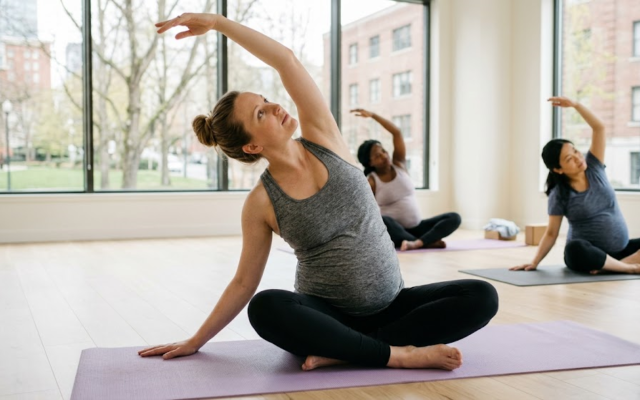
Can I exercise while pregnant too?
Gentle movement usually complements a healthy diet well, but always check with your doctor first. Our guide on safe exercise during pregnancy explains what is safe and what to avoid.
Can I keep eating my usual desi foods?
Yes — many traditional foods like daal, sabzi, roti, yogurt, and fruit are excellent during pregnancy. Just cook everything well, watch the oil and salt, and maintain good hygiene.
Final Thoughts
Eating well during pregnancy does not require special or expensive foods — just a thoughtful balance of everyday nutritious options, good hydration, the supplements your doctor recommends, and care around a few higher-risk foods. Be kind to yourself on the hard days; a healthy overall pattern matters far more than any single meal. Most importantly, keep up your regular check-ups and follow the personalised advice of your own doctor throughout your pregnancy journey.
Important Disclaimer: This article is for general informational purposes only and is not medical advice. Nutritional needs vary from person to person, and pregnancy can involve individual health considerations. Always consult your own doctor, obstetrician, or midwife before making changes to your diet or taking any supplements during pregnancy.
Leave a Comment
Share your thoughts or questions about this article!