
How to Build Self-Confidence is one of the most valuable life skills you can develop. Self-confidence helps you trust your abilities, face challenges with courage, and build stronger relationships. The good news is that confidence is not something you are born with—it is a skill you can strengthen over time. In this guide, you’ll discover seven gentle and practical steps to believe in yourself, overcome self-doubt, and create lasting confidence in your daily life.
Self-confidence is not something you are born with — it is built gradually through small actions and kinder self-talk. To grow it, set and achieve small goals, speak to yourself with compassion, take care of your body and appearance, step slightly outside your comfort zone, and surround yourself with supportive people. Celebrate your progress instead of chasing perfection, and remember that confidence comes from doing, not just feeling ready. With patience and practice, anyone can become more self-assured.
Many women quietly struggle with self-doubt — second-guessing decisions, comparing themselves to others, or feeling they are never quite good enough. If that sounds familiar, please know two things: you are not alone, and confidence can be learned. It is not a fixed trait some lucky people have and others do not. It is a skill you build, one small step at a time. This guide shares practical, gentle ways to grow your self-confidence and treat yourself with the kindness you deserve.
Understanding What Confidence Really Is
Confidence is not about being loud, fearless, or perfect. It is a quiet trust in your ability to handle life and to cope with whatever comes your way. Confident people still feel doubt and fear — they simply do not let those feelings stop them. Understanding this takes the pressure off. You do not need to feel completely sure of yourself to act; confidence often grows after you take action, not before.
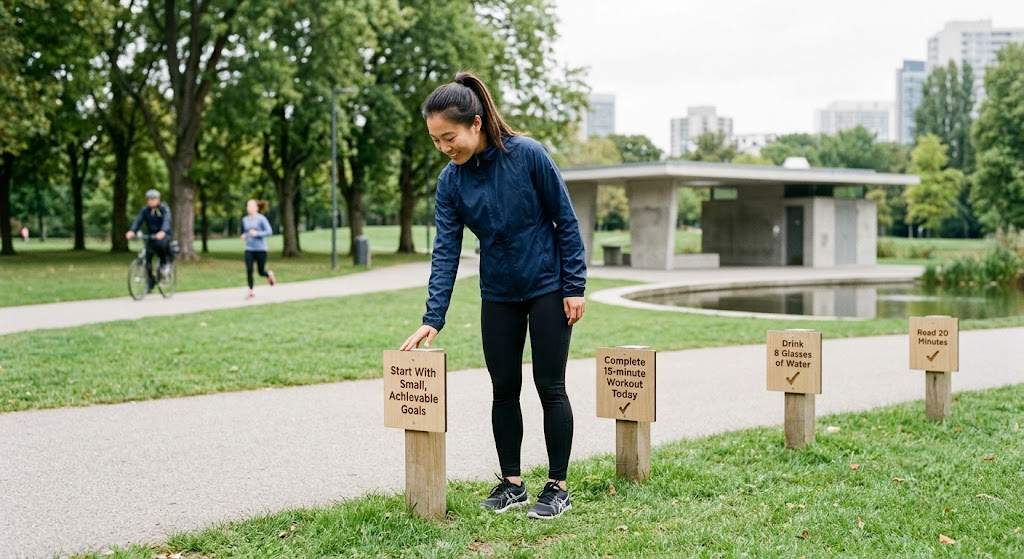
1. Start With Small, Achievable Goals
Confidence is built on a track record of small successes. Rather than aiming for a huge, intimidating goal, choose small ones you can actually complete — finishing a task you have been avoiding, learning one new skill, or keeping a small promise to yourself. Each little win is proof to your mind that you are capable, and these proofs steadily accumulate into genuine self-belief.
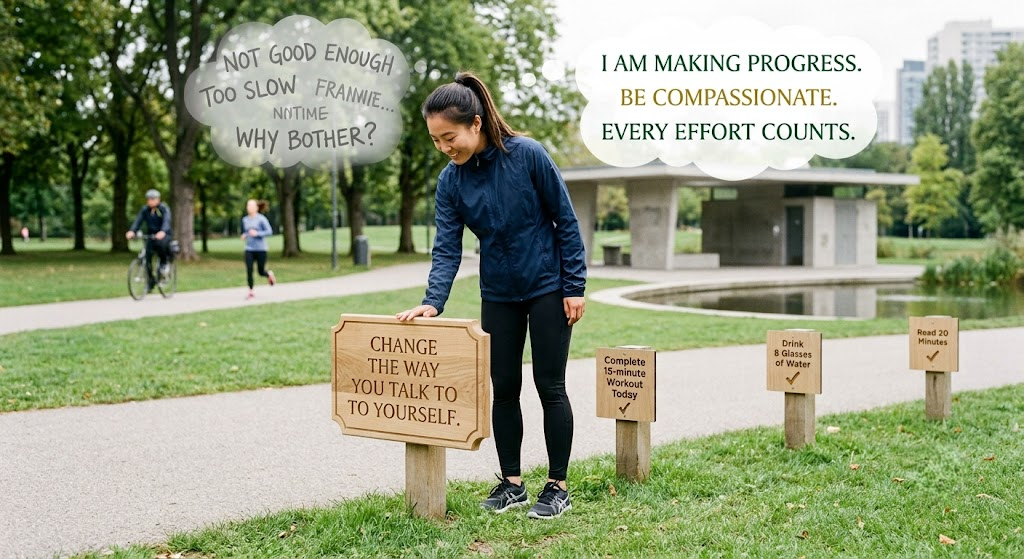
2. Change the Way You Talk to Yourself
The way you speak to yourself shapes how you feel. Many people are far harsher with themselves than they would ever be with a friend. Notice your inner voice, and when it turns critical, gently challenge it. Would you say those words to someone you love? Replace “I always fail” with “I am learning,” and “I can’t do this” with “I can try.” This shift takes practice, but over time it transforms your self-image, and it also helps lower everyday stress.
3. Take Care of Yourself
How you treat your body affects how you feel about yourself. Getting enough rest, moving your body, eating well, and taking a little time on your appearance are not vanity — they are acts of self-respect that quietly boost confidence. Even simple things like dressing in a way that flatters and comforts you can lift how you feel. When you feel cared for, inside and out, you naturally carry yourself with more assurance.


4. Step Slightly Outside Your Comfort Zone
Confidence grows when you do things that scare you a little and discover you can handle them. You do not need dramatic leaps — small stretches are enough. Speak up in a conversation, try something new, or handle a task you would usually avoid. Each time you face a small fear and come through it, your comfort zone expands and your belief in yourself deepens.

5. Stop Comparing Yourself to Others
Comparison is one of the biggest thieves of confidence, and social media makes it worse by showing only people’s highlights. Remember that you are seeing others’ best moments, not their struggles. Instead of measuring yourself against anyone else, focus on your own progress — how far you have come, not how you stack up against others. Your journey is yours alone, and that is exactly as it should be.

6. Surround Yourself With Supportive People
The people around you influence how you see yourself. Spend more time with those who encourage and uplift you, and, where you can, limit time with those who constantly criticise or drain you. Supportive relationships remind you of your worth on the days you forget it. Being around kindness makes it far easier to be kind to yourself.

7. Celebrate Progress, Not Perfection
Perfectionism is the enemy of confidence, because nothing is ever good enough. Instead, notice and appreciate your progress, however small. Acknowledge your efforts, forgive your mistakes, and treat setbacks as part of learning rather than proof of failure. Managing your day well helps too — our tips on time management for busy women can reduce the overwhelm that feeds self-doubt. When you measure yourself by growth instead of perfection, confidence has room to flourish.

When to Reach Out for More Support
Everyday self-doubt is normal, but sometimes low confidence runs deeper. If persistent feelings of worthlessness, anxiety, or low mood are affecting your daily life, relationships, or wellbeing, please consider speaking to a doctor or a mental health professional. Reaching out is a sign of strength, and the right support can make a real difference.
Frequently Asked Questions
Can confidence really be learned?
Yes. Confidence is a skill built through action and practice, not a fixed personality trait. Small, consistent steps genuinely change how you feel about yourself over time.
How long does it take to feel more confident?
It varies from person to person. Some feel a shift within weeks of practising new habits; for others it takes longer. The important thing is steady progress, not speed.
What if I fail while trying something new?
Failure is part of growth, not the opposite of confidence. Every attempt teaches you something and builds resilience. Treat setbacks kindly and try again.
Final Thoughts
Building self-confidence is a gentle, ongoing journey rather than a destination. Through small wins, kinder self-talk, self-care, and a focus on progress over perfection, you can steadily grow a quiet, lasting belief in yourself. Be patient and compassionate with yourself along the way — you are more capable than your doubts would have you believe. Start with one small step today, and let your confidence grow from there.
Disclaimer: This article is for general informational and wellness purposes only and is not a substitute for professional mental health advice. If low self-confidence is linked to persistent anxiety, depression, or distress that affects your daily life, please consult a qualified doctor or mental health professional.


Leave a Comment
Share your thoughts or questions about this article!