
Walking for Weight Loss — Quick Answer
Walking is one of the simplest and most effective ways for women to support weight loss and overall health. To see results, aim for around 30 to 45 minutes of brisk walking most days of the week, keep a pace where you can talk but not sing, and stay consistent. Pair your walks with sensible eating and enough water. You do not need a gym, special equipment, or a lot of money — just comfortable shoes and a little time. Start where you are and build up gradually.
When people think about losing weight, they often imagine intense workouts or expensive gym memberships. But one of the most powerful tools is something you already do every day: walking. It is gentle on the joints, easy to fit into a busy schedule, completely free, and suitable for almost everyone. For women juggling home, work, and family, walking can be the perfect starting point on a health journey. This guide explains how to make your walks count.
Why Walking Works So Well
Walking burns calories, and burning more calories than you consume is the foundation of weight loss. But its benefits go well beyond that. Regular walking improves heart health, helps regulate blood sugar, strengthens muscles and bones, boosts mood, and improves sleep. Because it is low-impact, most people can do it comfortably without the soreness or injury risk of harder workouts — which makes it something you can actually stick with long term. And consistency, more than intensity, is what produces lasting results.
How Much Should You Walk?
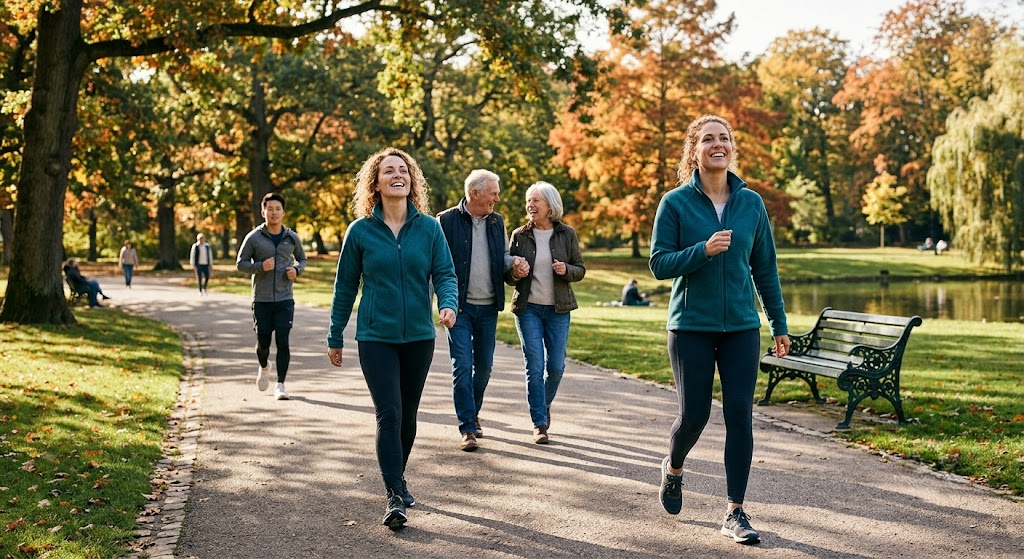
If you are just starting out, do not worry about big numbers. Begin with what feels manageable — even 10 to 15 minutes a day is a great start. As your stamina builds, work toward around 30 to 45 minutes of brisk walking on most days of the week. You can do it all at once or split it into shorter walks throughout the day; both approaches work. The goal is steady, regular movement rather than occasional long, exhausting sessions.
Finding the Right Pace
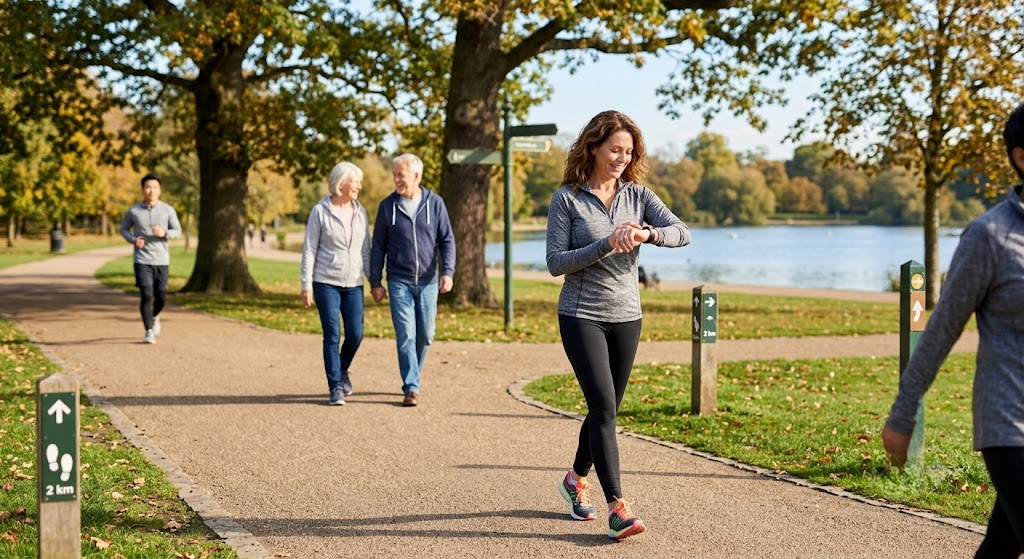
For weight loss, a brisk pace is more effective than a slow stroll. A simple way to judge this is the “talk test”: you should be able to hold a conversation but not comfortably sing. If you can sing easily, pick up the pace; if you cannot speak at all, slow down a little. This moderate intensity keeps your heart rate up enough to burn calories while remaining sustainable.

Simple Ways to Get More Steps
You do not always need a dedicated walking session — small choices throughout the day add up:
- Take the stairs instead of the lift whenever you can.
- Walk while talking on the phone.
- Get off transport one stop early and walk the rest.
- Do a few laps of the house or courtyard while chores wait to be started.
- Walk to nearby shops instead of driving for small errands.
- Take a short walk after meals to aid digestion.

Making Walks Enjoyable
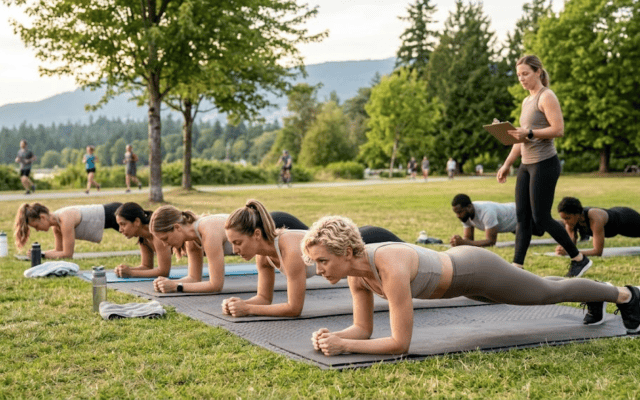
The best exercise is the one you will keep doing, so make your walks something to look forward to. Listen to music, a podcast, or an audiobook. Invite a friend, sister, or neighbour to join you — company makes the time fly and keeps you accountable. Vary your route to keep things interesting, and choose pleasant times of day, such as early morning or after sunset, especially in hot weather. When walking feels enjoyable rather than a chore, consistency becomes effortless.
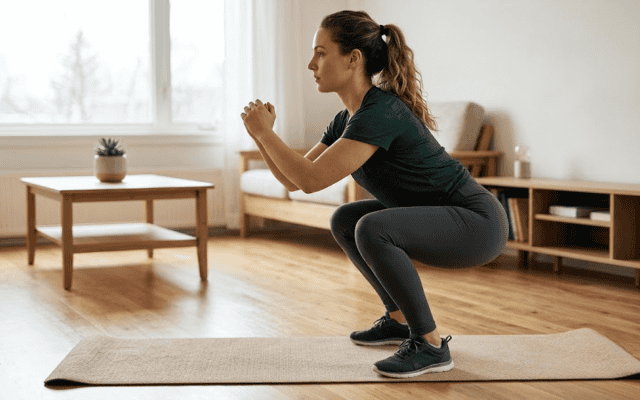
To build strength alongside your walks, try adding our simple 15-minute home workout for women a few times a week.

Pairing Walking With Healthy Habits
Walking supports weight loss best when combined with balanced eating. You do not need an extreme diet — simply focus on wholesome, portion-sensible meals, plenty of vegetables and protein, and limiting sugary drinks and fried foods. Choosing healthy snacks between meals also helps you avoid the cravings that derail progress. Staying well hydrated matters too. Remember that you cannot out-walk a very unhealthy diet, so the two work hand in hand. Be patient: healthy weight loss is gradual, and slow, steady progress is far easier to maintain.
Staying Safe and Comfortable
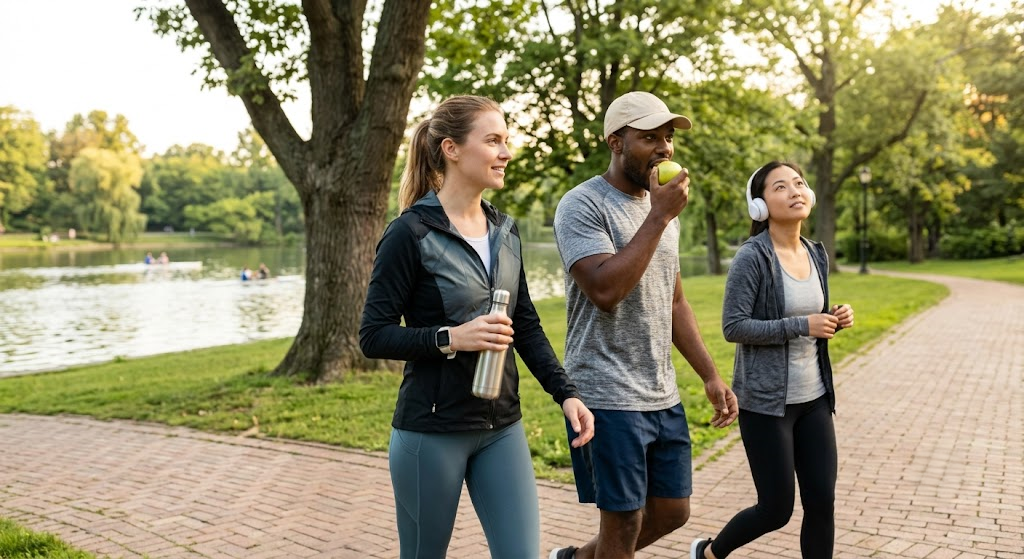
- Wear comfortable, supportive shoes to protect your feet and joints.
- Warm up with a slower pace for the first few minutes.
- Carry water, especially in warm weather.
- Choose safe, well-lit routes, and let someone know if you walk alone.
- Listen to your body and rest if you feel pain or dizziness.
Frequently Asked Questions
How many steps a day should I aim for?
Many people aim for around 8,000 to 10,000 steps a day, but this is a general guide, not a strict rule. If you are starting from a lower number, simply increasing your daily steps steadily is already beneficial.
Is walking alone enough to lose weight?
Walking helps a lot, but pairing it with balanced eating gives far better results. Together, they create the calorie balance needed for gradual, healthy weight loss.
Can I walk during pregnancy?
Walking is often one of the safest activities during pregnancy, but always get your doctor’s approval first. See our guide on safe exercise during pregnancy for more.
When is the best time to walk?
The best time is whenever you can do it consistently. Morning walks suit some people; evening walks after work or dinner suit others. Pick what fits your routine and stick with it.
Final Thoughts
Walking proves that getting healthier does not have to be complicated or expensive. With comfortable shoes, a brisk pace, and a little consistency, this simple habit can support weight loss, lift your mood, and improve your overall health. Start small, make it enjoyable, pair it with sensible eating, and let the steps add up. Your journey to feeling better can begin with a single walk today.
Disclaimer: This article is for general informational purposes only and is not a substitute for professional medical advice. If you are pregnant, have a heart condition, joint problems, or any health concern, consult a qualified doctor before starting a new exercise routine.
Leave a Comment
Share your thoughts or questions about this article!