
How to Reduce Stress Naturally — Quick Answer
You can lower everyday stress with simple, natural habits: practise slow deep breathing, move your body with a walk or gentle exercise, protect your sleep, limit caffeine and screen time, connect with people you trust, and take short breaks to rest your mind. Writing down your worries, spending a little time outdoors, and being kinder to yourself also help a great deal. These small daily practices calm the body and build resilience over time. If stress feels overwhelming or constant, reach out to a doctor or mental health professional.
Stress has become an almost constant companion in modern life. Between responsibilities at home, work pressures, family needs, and the endless notifications on our phones, it is easy to feel overwhelmed. A certain amount of stress is normal and even useful, but when it lingers day after day, it can affect your sleep, mood, energy, and health. The encouraging news is that many effective ways to ease stress are simple, free, and completely natural. Here are gentle, practical habits you can start using today.
1. Practise Slow, Deep Breathing
When you feel stressed, your breathing becomes shallow and quick. Deliberately slowing it down sends a signal of safety to your nervous system. Try breathing in slowly through your nose for a count of four, holding briefly, then breathing out gently for a count of six. Just a few minutes of this can noticeably calm a racing mind and tense body. The best part is you can do it anywhere — in a queue, before a difficult conversation, or in bed at night.


2. Move Your Body
Physical movement is one of the most reliable stress relievers there is. A brisk walk, some gentle stretching, dancing to a favourite song, or light exercise all help release built-up tension and lift your mood. You do not need an intense workout — even ten minutes of movement can shift how you feel. A short daily walk is one of the easiest places to start. Regular activity also improves sleep and energy, which makes it easier to cope with stress in the first place.

3. Protect Your Sleep
Stress and poor sleep feed each other in a frustrating cycle: stress keeps you awake, and tiredness makes you more reactive to stress. Breaking this cycle starts with a calming bedtime routine. Try to sleep and wake at similar times, dim the lights and put away screens an hour before bed, and keep your bedroom cool and quiet. Our guide on natural ways to sleep better can help. Better rest gives your mind and body the recovery they need to handle daily pressures.

4. Limit Caffeine and Screen Time
Too much caffeine can leave you feeling jittery and anxious, especially if you are already tense. If you notice this, cut back gradually, particularly in the afternoon and evening. Excessive screen time — endless scrolling through news and social media — can also quietly raise stress levels. Setting gentle limits, such as no phone during meals or for the first hour after waking, gives your mind space to breathe.

5. Connect With People You Trust
Talking to a friend, family member, or someone you trust can lighten a heavy mind. You do not always need advice — sometimes simply being heard is enough to ease the weight. Making time for the people who support you, even a short chat or a shared cup of tea, is a powerful and natural buffer against stress. Isolation tends to make stress feel bigger; connection makes it feel more manageable.

6. Write Down Your Worries
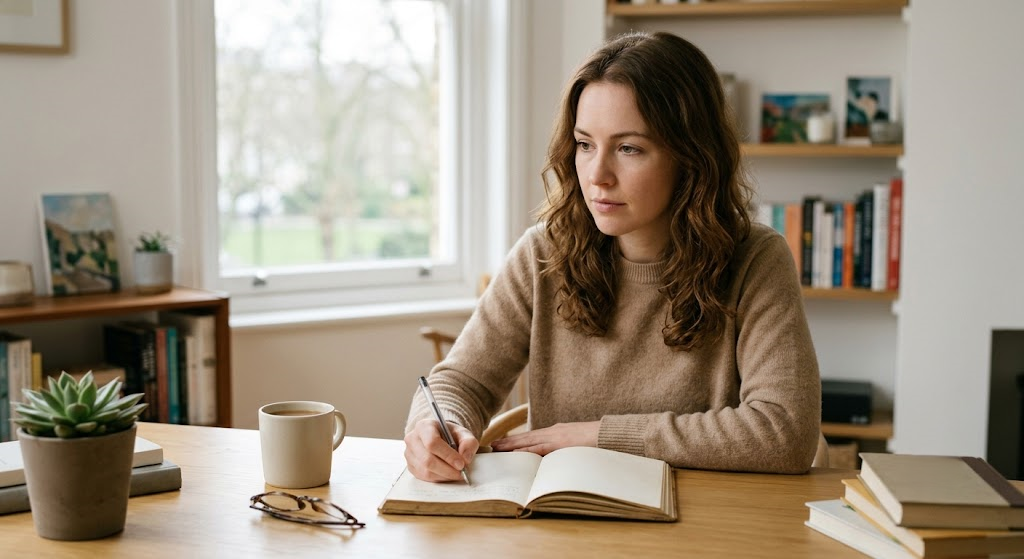
When thoughts swirl endlessly in your head, putting them on paper can bring surprising relief. Spend a few minutes writing down what is bothering you, and if it helps, note one small step you could take for each concern. This simple act moves worries out of your mind and into a form you can look at more calmly and objectively. Many people find it especially helpful before bed, to quiet a busy mind.
7. Spend Time Outdoors
A little time in nature or fresh air can genuinely soothe the mind. Sitting in a garden, walking in a park, or simply stepping onto a balcony for some sunlight and fresh air can lower tension and improve mood. Even short exposure to greenery and daylight has a calming effect. If you cannot get outside easily, opening a window or tending a few plants at home can still help.

8. Be Kinder to Yourself
Much of our stress is made heavier by harsh self-criticism and the pressure to do everything perfectly. Try to speak to yourself the way you would to a good friend — with patience and understanding. Accept that you cannot do everything, that some things will go undone, and that this is completely human. Building your self-confidence through kinder self-talk goes hand in hand with lower stress. Self-compassion is not laziness; it is what allows you to keep going without burning out.

Building a Simple Daily Calm Routine
You do not need to do all of these at once. Pick two or three that appeal to you and weave them into your day:
- Morning: A few slow breaths and a short walk or stretch.
- Daytime: Short breaks away from screens; a chat with someone you trust.
- Evening: Write down worries, dim the screens, and follow a calming bedtime routine.
When to Seek Extra Support
Natural habits help enormously with everyday stress, but they are not a replacement for professional care when stress becomes overwhelming. If you feel constantly anxious, are unable to sleep or function normally, feel hopeless, or notice stress seriously affecting your health and daily life, please reach out to a doctor or a mental health professional. Asking for help is a sign of strength, not weakness, and support is available.
Frequently Asked Questions
How quickly can these methods reduce stress?
Some, like deep breathing or a short walk, can bring relief within minutes. Others, like better sleep and regular connection, build resilience gradually over weeks. Consistency makes the biggest difference.
Is some stress actually normal?
Yes. Short-term stress is a natural response that can help you focus and act. The goal is not to eliminate all stress but to keep it from becoming constant and overwhelming.
What if these tips are not enough?
If stress continues to feel heavy despite your best efforts, that is a clear sign to seek professional support. A doctor or counsellor can offer guidance tailored to your situation.
Final Thoughts
Managing stress naturally is less about grand changes and more about small, kind habits practised regularly. Slow breathing, movement, good sleep, real connection, and a gentler attitude toward yourself all add up to a calmer, more resilient mind. Start with just one or two of these ideas this week and notice how you feel. And remember — if the weight ever becomes too much to carry alone, reaching out for support is always the right step.
Disclaimer: This article is for general informational and wellness purposes only and is not a substitute for professional medical or mental health advice. If you are experiencing severe, persistent, or overwhelming stress, anxiety, or low mood, please consult a qualified doctor or mental health professional.


Leave a Comment
Share your thoughts or questions about this article!