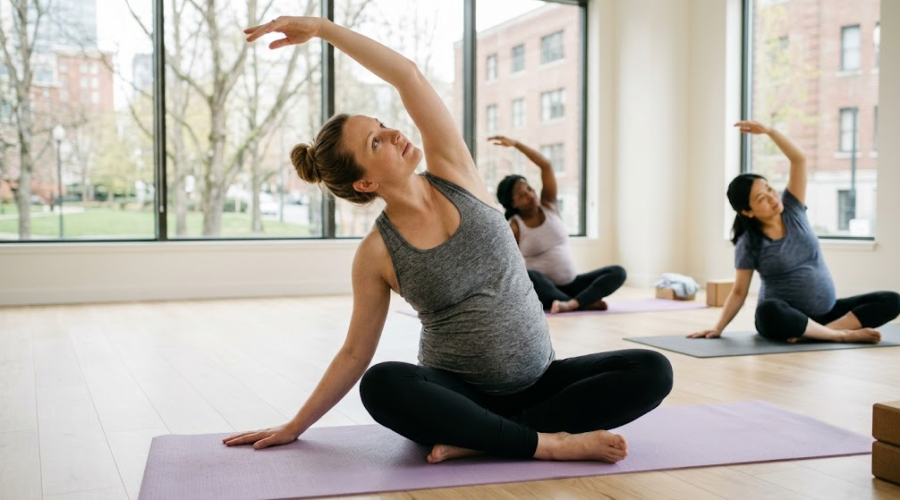
Safe Exercise During Pregnancy — Quick Answer
For most healthy pregnancies, gentle, regular exercise is beneficial and safe. Good options include walking, swimming, prenatal yoga, and light stretching. Aim for moderate activity where you can still talk comfortably, stay well hydrated, avoid overheating, and stop if anything feels wrong. Avoid contact sports, activities with a fall risk, and lying flat on your back for long periods later in pregnancy. Most importantly, always get your own doctor’s approval before starting or continuing any exercise during pregnancy, as every pregnancy is different.
Staying active during pregnancy can help you feel stronger, sleep better, and prepare your body for birth. Many women worry that exercise might harm the baby, but for most healthy pregnancies, gentle movement is not only safe — it is genuinely good for you. The key is choosing the right activities, listening carefully to your body, and always following your doctor’s guidance. This article covers safe, comfortable ways to stay active during pregnancy, along with clear signs that mean you should stop and seek advice.
The Benefits of Staying Active
Gentle, regular exercise during pregnancy offers many benefits for women who have been cleared by their doctor. It can ease common discomforts like back pain and swelling, improve mood and energy, support better sleep, and help maintain healthy weight gain. Staying active can also build the stamina and strength that may help during labour and recovery. Pairing movement with a healthy pregnancy diet supports both you and your baby. For many women, a short daily walk becomes a valued moment of calm and self-care during a busy, changing time.
Safe Exercises to Consider
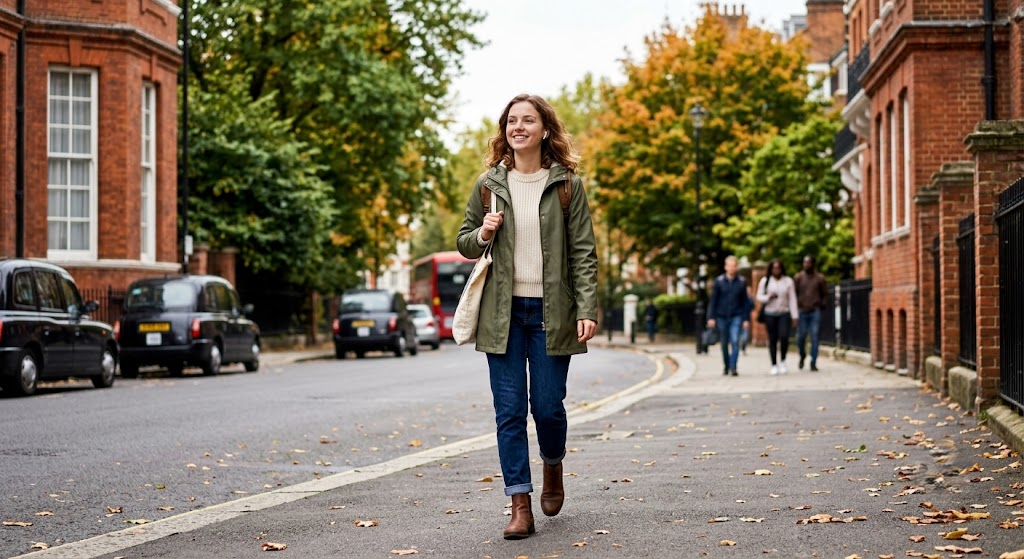
Walking
Walking is one of the safest and most accessible exercises during pregnancy. It is low-impact, requires no equipment, and can be done at your own pace. A gentle daily walk keeps you active without straining your joints, and you can easily adjust the distance as your pregnancy progresses. Our guide on walking has simple tips on pace and comfort you can adapt gently.
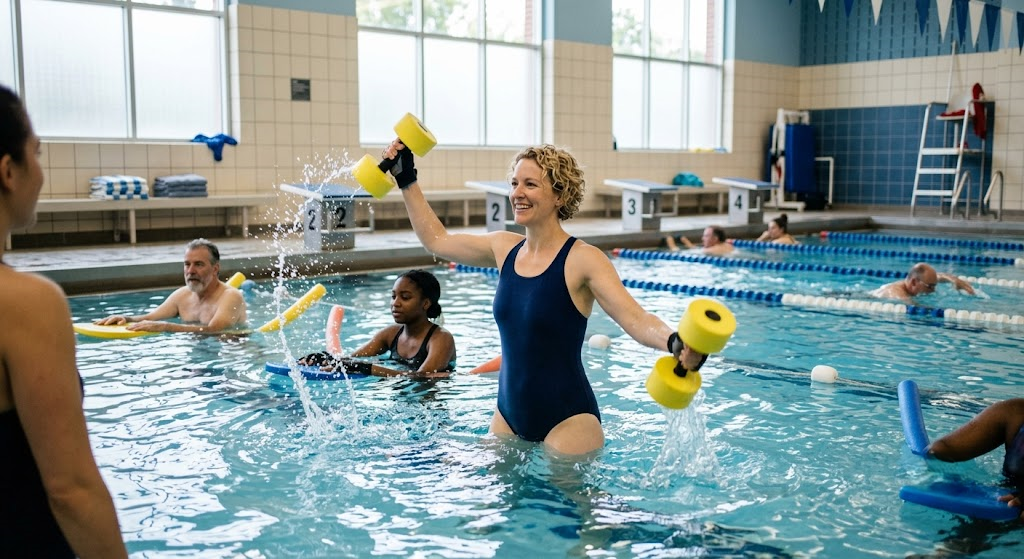
Swimming and Water Exercise
Swimming and gentle water movements are wonderful during pregnancy because the water supports your weight and takes pressure off your joints and back. Many women find it especially comfortable in later months when they feel heavier. Always choose a clean, safe pool and take care getting in and out.
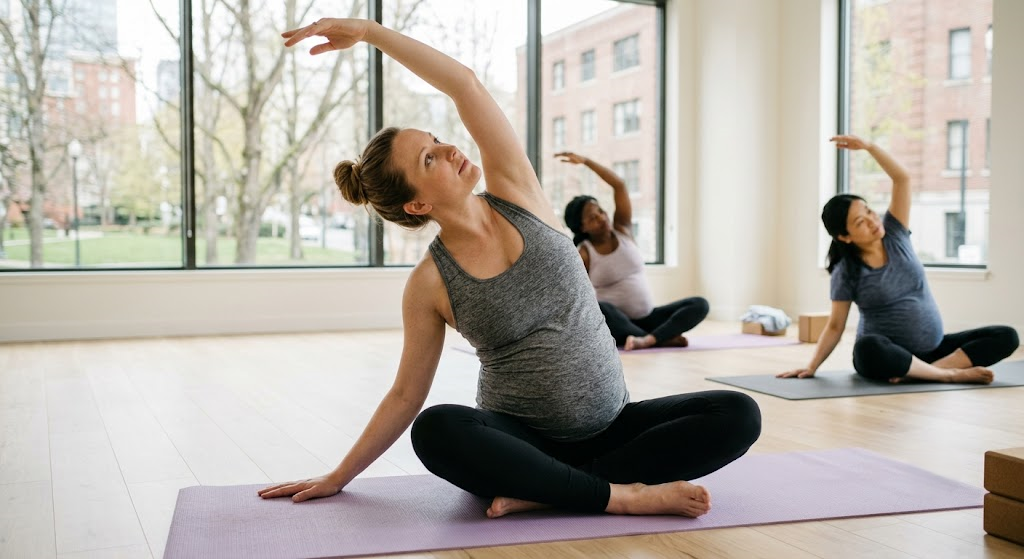
Prenatal Yoga and Stretching
Prenatal yoga focuses on gentle stretches, breathing, and relaxation — all helpful for easing tension and staying flexible. Look for classes or routines specifically designed for pregnancy, which avoid risky positions. Gentle stretching at home can also relieve stiffness, especially in the back and hips.
Gentle Strength and Pelvic Floor Exercises
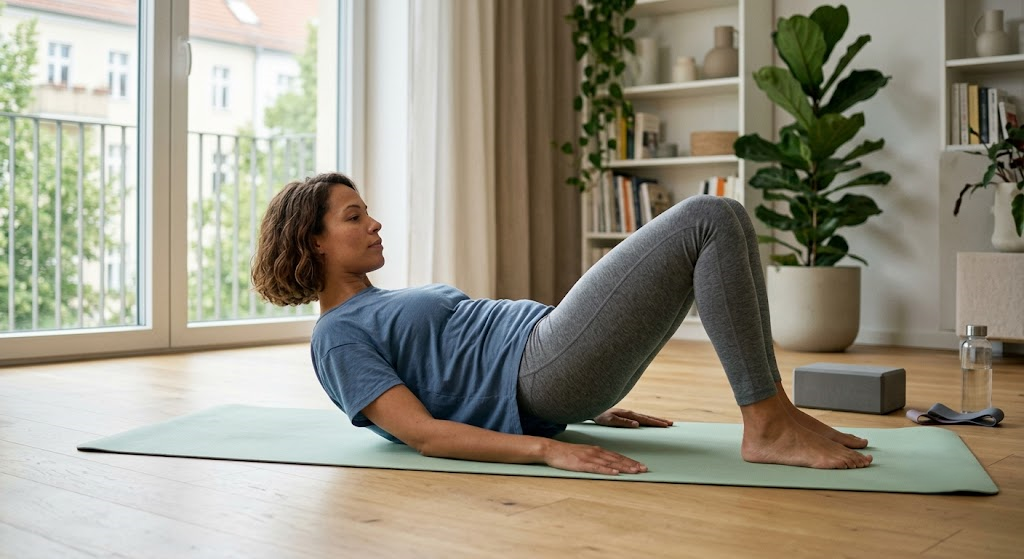
Light strengthening moves, when approved by your doctor, can support your changing body. Pelvic floor exercises in particular are often recommended, as they support the muscles involved in pregnancy and birth. Your doctor or a trained professional can show you how to do these correctly.
Activities to Avoid
Some activities carry higher risks during pregnancy and are generally best avoided unless your doctor specifically advises otherwise:
- Contact sports or anything with a risk of being hit in the abdomen
- Activities with a high risk of falling, such as certain sports or climbing
- Very intense or exhausting workouts that leave you breathless
- Lying flat on your back for long periods, especially in later pregnancy
- Exercising in very hot conditions or to the point of overheating
Important Safety Tips
Whatever activity you choose, a few simple precautions help keep you and your baby safe:
- Get medical approval first — always check with your doctor before starting or continuing exercise.
- Stay hydrated by drinking water before, during, and after activity.
- Avoid overheating — exercise in a cool environment and dress comfortably.
- Warm up and cool down gently rather than starting or stopping suddenly.
- Use the talk test — you should be able to hold a conversation while moving.
- Wear supportive shoes and a comfortable, supportive bra.
When to Stop and Call Your Doctor
Stop exercising and contact your doctor promptly if you experience any of the following during or after activity:
- Vaginal bleeding or fluid leaking
- Dizziness, faintness, or a headache that will not ease
- Chest pain or a rapid, pounding heartbeat
- Painful contractions or regular tightening
- Severe shortness of breath
- Sudden swelling, or pain in the calf
These may be signs that need medical attention. When in doubt, always err on the side of caution and speak to your doctor.
Frequently Asked Questions
Can I start exercising if I was not active before pregnancy?
Often yes, but start very gently and get your doctor’s approval first. Begin with short, easy activities like walking and build up slowly rather than starting anything strenuous.
How often should I exercise during pregnancy?
Many women aim for regular, moderate activity on most days, but the right amount depends on your health and pregnancy. Your doctor can give you personalised guidance.
Is it normal to feel tired more quickly?
Yes. Your body is doing extra work, so you may tire faster. Listen to your body, rest when needed, and never push through exhaustion.
Final Thoughts
For most healthy pregnancies, gentle exercise like walking, swimming, and prenatal yoga can help you feel stronger, calmer, and more comfortable. The golden rules are simple: get your doctor’s approval, choose gentle activities, stay hydrated and cool, and always listen to your body. With the right care, staying active can be one of the most rewarding parts of your pregnancy journey.
Important Disclaimer: This article is for general informational purposes only and is not medical advice. Every pregnancy is different, and some conditions may make certain exercises unsafe. Always consult your own doctor, obstetrician, or midwife before starting, continuing, or changing any exercise routine during pregnancy.

Leave a Comment
Share your thoughts or questions about this article!