
Heat Rash Treatment at Home is one of the most effective ways to relieve the itching, redness, and discomfort caused by prickly heat. Heat rash commonly develops when sweat becomes trapped beneath the skin, especially during hot and humid weather. Fortunately, several simple home remedies can help soothe irritated skin, reduce inflammation, and speed up healing. In this guide, you’ll discover 9 remedies that actually work fast and learn how to prevent heat rash from coming back. Heat rash shows up fast — one minute you’re fine, the next you’ve got a patch of tiny, prickly red bumps on your neck, chest, or back that itch like crazy. The good news? In most cases you can clear it up at home in a few days without a single trip to the doctor. The key is to cool your skin down, stop the sweating, and skip the heavy creams that make it worse.
Heat rash is incredibly common, especially in summer and in hot, humid climates — and it affects everyone from newborns to adults. While it’s usually harmless and short-lived, it can be uncomfortable and itchy enough to disrupt your sleep and your day. This complete guide walks you through exactly what heat rash is, what causes it, the 9 home remedies that calm it down fastest, how to handle it in babies and children, how to tell it apart from other rashes, what to stop doing right now, and the warning signs that mean it’s time to call a doctor.
What Is Heat Rash (Prickly Heat)?
Heat rash — also called prickly heat or miliaria — happens when your sweat gets trapped under your skin instead of evaporating. Normally, sweat travels up through tiny ducts and out through your pores to cool you down. But when those sweat ducts get blocked, the sweat backs up, leaks into the surrounding skin, and triggers those little inflamed bumps along with the signature prickly, stinging feeling.
It’s most common in hot, humid weather, which is why it tends to peak in summer. You’ll usually see it where skin rubs together or where clothing traps heat: the neck, upper chest, back, under the breasts, in the elbow creases, and around the waistline. Babies get it often because their sweat ducts aren’t fully developed yet — but adults get it too, especially during a heat wave, after a sweaty workout, or anytime you’re bundled up more than the weather calls for. The condition isn’t dangerous in itself, and it usually clears once your skin cools down and the trapped sweat can escape.
What Does Heat Rash Look and Feel Like?
Heat rash is easy to recognize once you know the signs:
- Small red or pink bumps, sometimes tiny clear fluid-filled blisters
- A prickly, stinging, or itchy feeling on the skin
- Mild swelling or irritation in the affected area
- Clusters of bumps that show up in skin folds or where clothes sit tight
- A warm or “sweaty” sensation in the affected patch
There are a few different types of heat rash, ranging from mildest to more uncomfortable:
- Miliaria crystallina – the mildest form, with tiny clear blisters that break easily and usually no redness or itching.
- Miliaria rubra – the classic “prickly heat,” with red bumps, itching, and a prickly sensation. This is the most common type.
- Miliaria profunda – a deeper, less common form with firmer, flesh-colored bumps that can feel more uncomfortable and tends to occur after repeated bouts.
What Causes Heat Rash? Common Triggers
Heat rash always comes down to the same root cause — blocked sweat ducts that trap sweat under the skin. But several everyday situations make that far more likely to happen. Knowing your triggers can help you avoid the rash in the first place:
- Hot, humid weather — the most common culprit, especially during summer months
- Intense exercise or physical activity that makes you sweat heavily
- Overdressing or wearing too many layers for the temperature
- Tight or synthetic clothing that traps heat and sweat against the skin
- Heavy creams, ointments, or thick lotions that block pores
- Prolonged bed rest, which keeps skin warm and unable to breathe
- Fever, which increases sweating
- Hot, sweaty environments like kitchens or rooms without air conditioning
Anyone can develop heat rash, but it’s especially common in hot climates, during heat waves, in babies and young children, and in anyone who naturally sweats a lot.
How to Get Rid of Heat Rash Fast
The fastest way to get rid of heat rash is to cool the skin and keep it dry so blocked sweat ducts can open back up. Move somewhere cool, switch into loose cotton clothing, apply a cool compress, and skip thick ointments. Most heat rash fades within 2 to 4 days once your skin stops overheating. Below are the remedies that help it along — most use simple things you already have at home.
9 Home Remedies for Heat Rash
1. Get Out of the Heat and Cool Down
The single most effective thing you can do for heat rash is to remove the trigger that caused it: heat. As long as your skin stays hot and sweaty, those blocked sweat ducts can’t clear, and the rash will keep flaring. Move into an air-conditioned room, sit somewhere shaded, or take a cool shower to bring your body temperature down. Cooling off stops the excess sweating that feeds the rash, which is exactly why it’s the first and most important step. If you’ve been outdoors or working out, change out of damp clothes right away. Many people notice the prickling and redness begin to settle within just a few hours of getting cool and staying that way.

2. Switch to Loose, Breathable Cotton
What you wear has a huge impact on heat rash. Tight, synthetic fabrics like polyester and nylon trap heat and sweat right against your skin, creating exactly the warm, damp conditions that block sweat ducts in the first place. Switch to loose-fitting, lightweight cotton, which lets air circulate and moisture evaporate. Breathable clothing keeps the affected area cooler and drier, and the looser fit means less friction against already irritated skin. Choose light colors that don’t absorb as much heat, and avoid anything that clings or rubs. This one simple change — both while you heal and going forward — can make a real difference in how quickly heat rash clears and whether it returns.

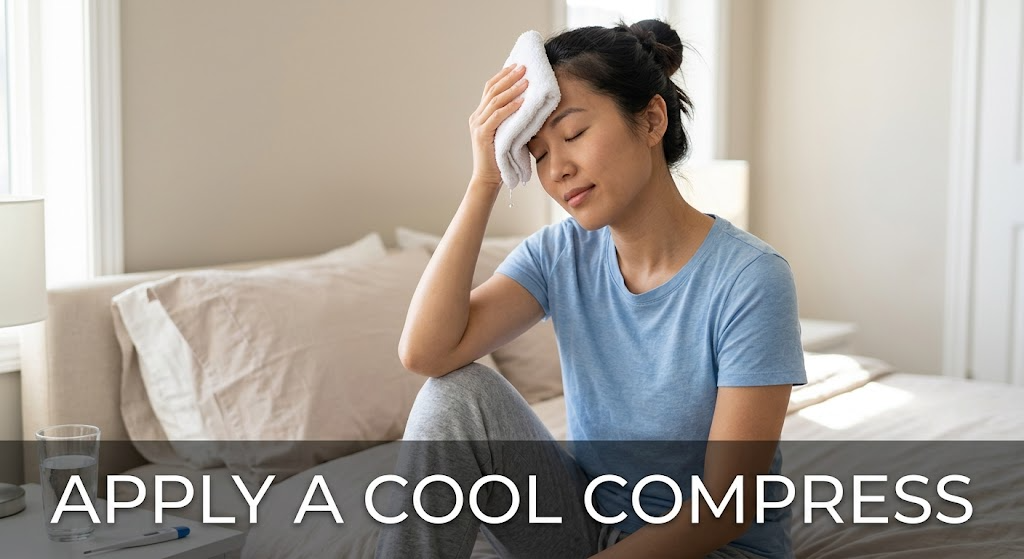
3. Apply a Cool Compress
A cool compress is one of the fastest ways to soothe the prickly, burning, itchy feeling of heat rash. The coolness calms inflammation and gives you immediate relief while your skin recovers. To do it, dampen a clean, soft washcloth with cool — not ice-cold — water, wring out the excess, and lay it gently over the affected area for 5 to 10 minutes. Repeat several times a day as needed. You can also use a cloth-wrapped cold pack, but never put ice directly on your skin. Afterward, pat the area dry with a clean towel rather than rubbing, since rubbing can irritate the bumps further. It’s simple, free, and genuinely effective for taking the sting out.
4. Take a Cool Oatmeal Bath
Colloidal oatmeal — finely ground oats — has been used for generations to calm itchy, irritated skin, and it works beautifully for heat rash. It has natural anti-inflammatory and soothing properties that ease itching and discomfort. To try it, add about a cup of colloidal oatmeal to a tub of cool (not hot) water, stir it in, and soak for 15 to 20 minutes. If you don’t have a bathtub or much time, a quick cool shower offers similar cooling relief. The most important part comes after: gently pat your skin dry and make sure no moisture stays trapped in folds, since lingering dampness can prolong the rash. An oatmeal bath is especially soothing at the end of a hot, sweaty day.

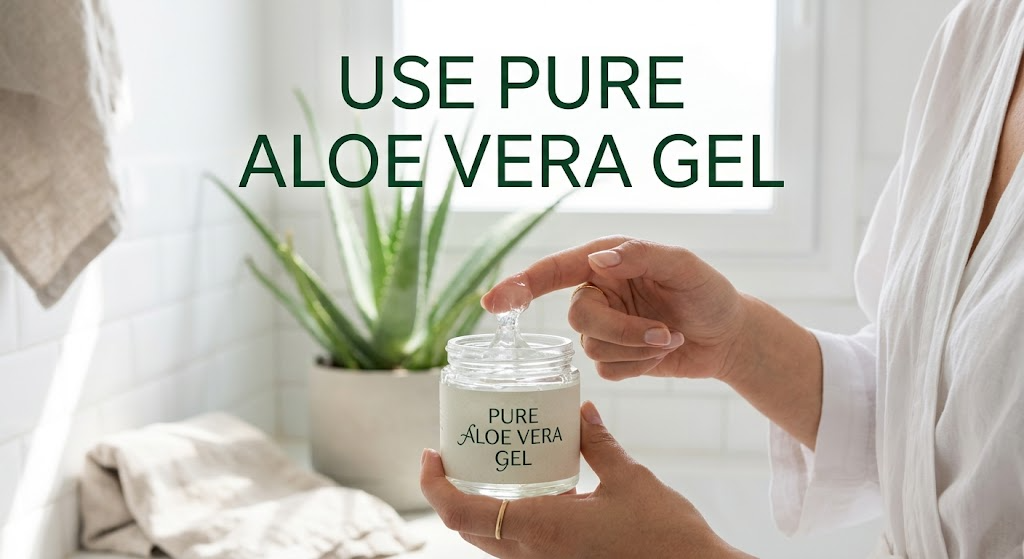
5. Use Pure Aloe Vera Gel
Aloe vera is naturally cooling, hydrating, and anti-inflammatory, which makes it a gentle, soothing option for calming heat rash. It can ease redness and that hot, prickly sensation while supporting your skin as it heals. Apply a thin layer of pure aloe vera gel — ideally one without added alcohol, fragrance, or dyes — directly to the affected area. The key word is thin: you want a light, breathable layer that soothes the skin, not a thick coating that could block the very sweat ducts you’re trying to unclog. Keeping the gel in the fridge gives it an extra cooling effect that feels wonderful on irritated skin. Reapply a couple of times a day as needed.
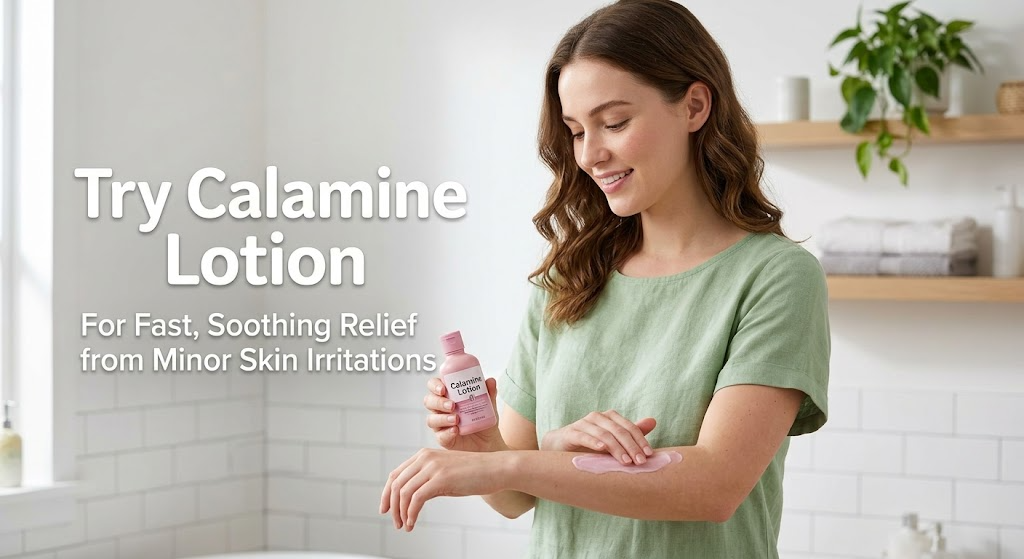
6. Try Calamine Lotion
Calamine lotion is an inexpensive drugstore classic for itchy, irritated skin, and it works well on heat rash too. It helps relieve itching and has a mild drying effect that can calm any oozing or weeping bumps. Using a cotton pad or clean fingertips, dab a thin layer of calamine onto the affected area and let it dry. You can reapply a few times a day as needed for itch relief. It’s gentle enough for most people and widely available without a prescription. Just keep it to the irritated areas, and as with any product, stop using it if you notice increased redness or irritation rather than relief.
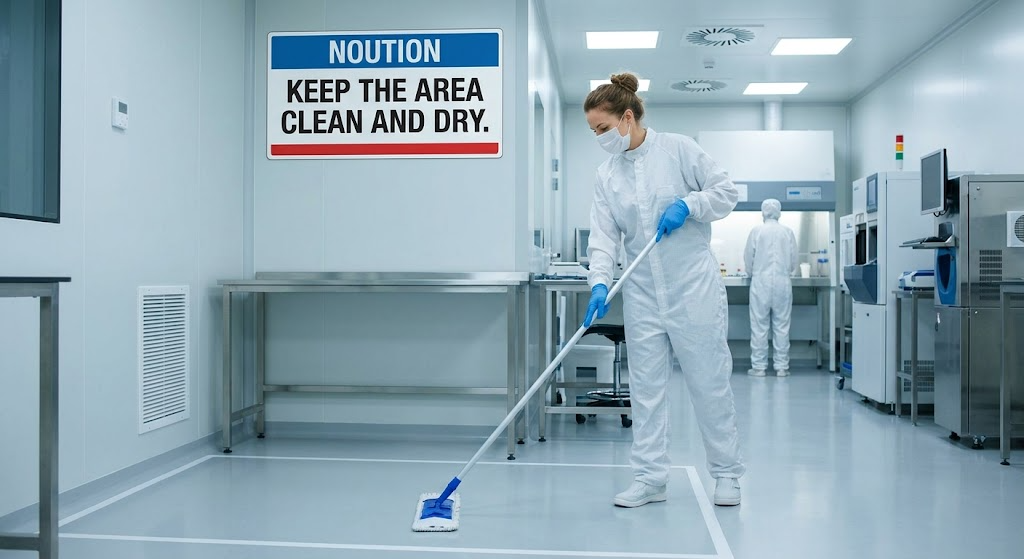
7. Keep the Area Clean and Dry
Heat rash thrives in warm, moist conditions, so keeping the affected skin clean and dry is one of the most important things you can do — both to speed healing and to prevent infection. Sweat, dirt, and bacteria sitting on irritated skin can make the rash worse and raise the risk of complications. Gently rinse the area with cool water, then pat it completely dry with a clean, soft towel, paying special attention to skin folds where moisture loves to linger. Let the skin breathe as much as possible, and avoid covering it with heavy clothing or tight bandages. Throughout the day, blot away any sweat. Remember, trapped moisture is what started the problem — so keeping things dry is your best friend here.
8. Use a Fan or Air Conditioning
Anything that keeps your skin cool and dry will help heat rash heal faster, and a fan or air conditioning is one of the easiest ways to do that. By lowering the temperature and improving air circulation, you reduce sweating and give those blocked sweat ducts a chance to open and clear. Sit near a fan, run the AC, or spend time in the coolest, most well-ventilated room in your home. At night, keep your bedroom cool and use light, breathable bedding so you’re not sweating in your sleep — overheating overnight is a common reason heat rash lingers. Even a small portable or handheld fan can offer relief when you’re stuck somewhere warm.

9. Reach for Hydrocortisone Cream If the Itch Won’t Quit
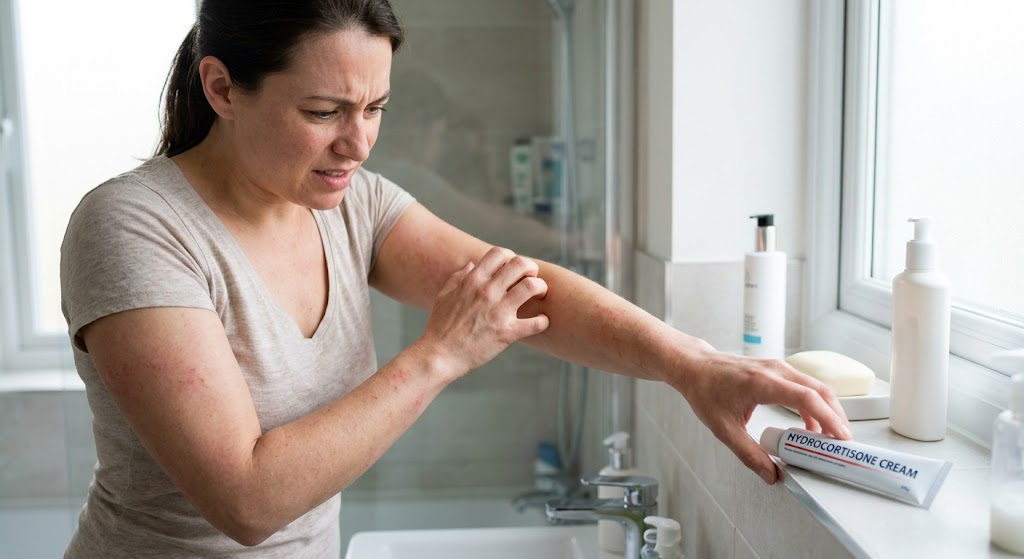
If the itching from heat rash becomes really bothersome, a thin layer of over-the-counter 1% hydrocortisone cream can help calm the inflammation and relieve the itch. It’s widely available without a prescription and can be useful for more stubborn cases. The important rules: use it sparingly, apply only a thin layer to the affected area, and don’t use it for more than a few days at a time unless a doctor advises otherwise. Critically, avoid thick, greasy ointments and petroleum-based products on heat rash — these trap heat and moisture against the skin and can actually make it worse. If the itching or rash doesn’t improve with these measures, it’s worth checking in with a healthcare provider.
Heat Rash in Babies and Children
Babies and young children are especially prone to heat rash because their sweat ducts are still developing and clog easily. In little ones, the rash often appears on the neck, shoulders, chest, and in skin folds like the diaper area, armpits, and behind the knees. The good news is that the same gentle, cooling approach works well: move your child to a cooler space, dress them in loose, lightweight cotton, and avoid overdressing or bundling them too warmly. Keep their skin cool and dry, and skip heavy baby oils or thick creams on the affected areas, since these can block sweat ducts further.
Most baby heat rash clears on its own within a few days with these simple steps. However, contact your pediatrician if your child seems very uncomfortable, develops a fever, the rash looks infected (with pus, crusting, or spreading redness), or it simply doesn’t improve. When in doubt, it’s always okay to check with your child’s doctor for peace of mind.
How to Tell Heat Rash from Other Rashes
Heat rash can look similar to other skin issues, but a few clues help you tell them apart:
- Heat rash appears in hot, sweaty conditions, shows up as clusters of tiny prickly bumps (often in skin folds), and improves once you cool down.
- Allergic or contact rash is usually linked to a specific trigger — a new product, food, plant, or fabric — can appear anywhere on the body, and won’t clear just by cooling off.
- Eczema tends to be dry, scaly, and chronic, often flaring in the same spots over time.
- Fungal rash is typically ring-shaped, persistent, and intensely itchy, thriving in warm, moist folds.
If your rash doesn’t fit the heat-rash pattern, keeps spreading, or doesn’t get better with cooling, it’s worth having a doctor take a look to pin down the cause and get the right treatment.
What Makes Heat Rash Worse
While you’re healing, steer clear of these common mistakes that keep heat rash hanging around:
- Heavy creams, ointments, and oils that block pores and trap heat
- Tight, synthetic, or non-breathable clothing
- Scratching, which irritates skin and can lead to infection
- Hot showers, saunas, and anything that makes you sweat more
- Powders applied to sweaty skin (only ever use on fully dry skin, if at all)
- Harsh soaps and heavily fragranced products that irritate sensitive skin
- Staying in hot, humid environments without a break
How to Prevent Heat Rash
Once it clears, a few simple habits go a long way toward keeping heat rash from coming back:
- Dress for the weather in loose, breathable fabrics like cotton
- Stay cool with fans, air conditioning, and shade on hot, humid days
- Shower and dry off soon after sweating or working out
- Avoid overdressing yourself — or your baby
- Take breaks from heat and intense activity when it’s sweltering
- Keep skin folds clean and dry throughout the day
- Stay hydrated, which helps your body regulate temperature
- Skip heavy creams and ointments in hot weather
When to See a Doctor
Heat rash is usually harmless and clears on its own. But check in with a doctor or dermatologist if:
- The rash lasts longer than 3 to 4 days or keeps getting worse
- You see signs of infection — increasing pain, swelling, warmth, pus, or red streaks
- You develop a fever or chills along with the rash
- The bumps are very painful or spreading quickly
- A baby or older adult has a widespread or worsening rash
These can signal an infection or a more serious heat-related issue that needs medical care. Trust your instincts — if something feels off, it’s always okay to get it checked.
Frequently Asked Questions
How long does heat rash last?
Most heat rash clears within 2 to 4 days once your skin cools down and stays dry. More stubborn cases can take a little longer, but if it lasts beyond 3 to 4 days or worsens, see a doctor.
Should I pop the bumps?
No. Popping or scratching the bumps can damage your skin and invite infection. Leave them alone and focus on cooling and drying the area instead.
What’s the fastest way to get rid of heat rash overnight?
You can’t always clear it overnight, but you can calm it fast: cool the skin with a compress or cool shower, switch to loose cotton, apply calamine or a thin layer of aloe, and sleep in a cool room. You’ll often wake up noticeably better.
Is heat rash contagious?
No. Heat rash isn’t contagious — it’s caused by blocked sweat ducts, not a virus or bacteria, so you can’t pass it to anyone.
Can adults get heat rash, or is it just babies?
Adults absolutely get heat rash, especially during heat waves, intense workouts, or when overdressed. Babies are simply more prone because their sweat ducts are still developing.
What’s the difference between heat rash and an allergic rash?
Heat rash shows up in hot, sweaty conditions as prickly bumps in skin folds and clears when you cool down. An allergic rash is usually tied to a specific trigger — a product, food, or plant — can appear anywhere, and may not improve with cooling. If you’re unsure, a doctor can tell them apart.
This article is for general informational purposes only and isn’t a substitute for professional medical advice. If your symptoms are severe, persistent, or worsening, please consult a qualified healthcare provider.


Leave a Comment
Share your thoughts or questions about this article!