
Home Remedies for Better Sleep — Quick Answer
To sleep better naturally, keep a consistent sleep schedule, wind down with a calming routine, and make your bedroom cool, dark, and quiet. Avoid caffeine in the afternoon and evening, limit screens before bed, and try a warm drink like milk or chamomile tea. Gentle stretches, deep breathing, and writing down worries can quiet a busy mind. These simple habits help most people fall asleep faster and rest more deeply. If poor sleep continues for weeks, speak to a doctor.
Lying awake at night, watching the hours pass, is exhausting and frustrating — and for many women juggling busy days, a good night’s sleep can feel out of reach. The good news is that better sleep often starts with simple, natural changes to your evening habits and surroundings. You do not need expensive gadgets or medication to rest more easily. This guide shares gentle, time-tested home remedies and habits that can help you fall asleep faster and wake up feeling more refreshed.
Why Good Sleep Matters
Sleep is not a luxury — it is when your body and mind repair and recharge. Good rest supports your mood, memory, energy, immune system, and even healthy weight. Poor sleep, on the other hand, leaves you irritable, foggy, and more vulnerable to stress. Improving your sleep is one of the kindest things you can do for your overall health, and small changes often make a surprising difference.
1. Keep a Consistent Sleep Schedule
Your body has an internal clock that thrives on routine. Going to bed and waking up at roughly the same times every day — even on weekends — helps regulate this clock so you naturally feel sleepy and alert at the right times. Irregular sleep confuses the body and makes falling asleep harder. Consistency is one of the most powerful sleep habits there is.

2. Create a Calming Bedtime Routine
A wind-down routine signals to your body that it is time to rest. In the half hour before bed, do quiet, relaxing activities — reading, gentle stretching, light prayer or meditation, or a warm shower. Doing the same calming things each night trains your mind to associate them with sleep, making it easier to drift off.

3. Make Your Bedroom Sleep-Friendly
Your surroundings matter more than you might think. Aim for a bedroom that is cool, dark, and quiet:
- Keep the room comfortably cool, as a slightly cooler temperature aids sleep.
- Block out light with curtains, or use an eye mask.
- Reduce noise, or use soft background sound if silence feels uncomfortable.
- Keep your bed comfortable and reserved mainly for sleep.

4. Watch Caffeine and Heavy Meals
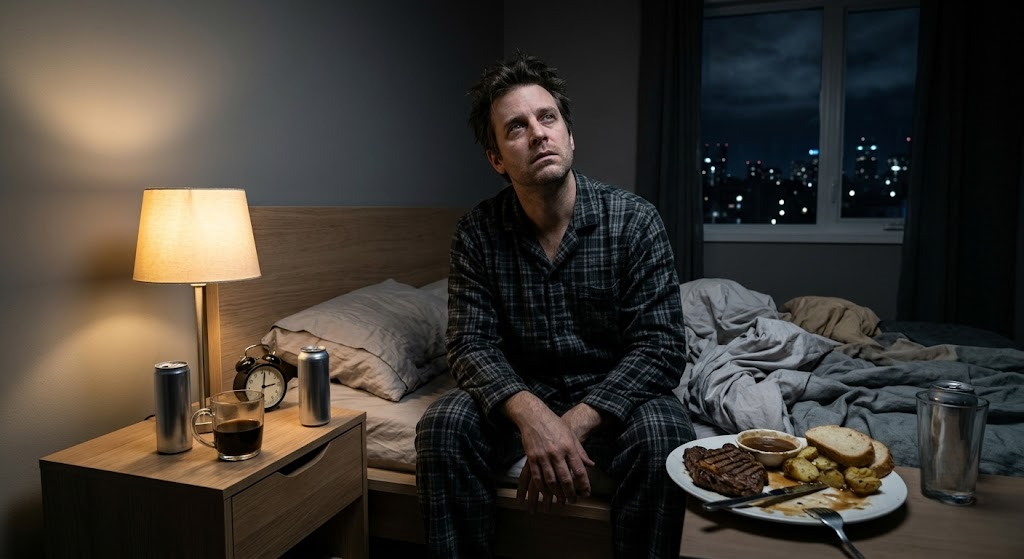
Caffeine can stay in your system for many hours, so avoid tea, coffee, and cola in the afternoon and evening if you struggle to sleep. Heavy, spicy, or very late meals can also disturb rest by causing discomfort. If you are hungry at night, choose something light — one of our healthy snack ideas works better than a big meal close to bedtime.
5. Limit Screens Before Bed
The bright light from phones, tablets, and televisions can interfere with your body’s natural sleep signals, and scrolling keeps the mind active when it should be winding down. Try switching off screens at least half an hour before bed. If you use your phone as an alarm, keep it face down and out of easy reach to avoid the temptation to scroll.


6. Try a Warm, Soothing Drink
A warm, caffeine-free drink can be part of a comforting bedtime ritual. Warm milk is a traditional favourite, and herbal teas like chamomile are known for their calming qualities. The warmth itself is soothing and helps the body relax. Avoid adding too much sugar, which can have the opposite effect.

7. Quiet a Busy Mind
Racing thoughts are one of the most common causes of sleeplessness. A few simple techniques can help calm the mind: try slow, deep breathing, breathing out for longer than you breathe in. Writing down your worries or tomorrow’s to-do list before bed can move them out of your head and onto paper. Since stress is a major cause of poor sleep, our guide on reducing stress naturally can help too. Gentle progressive relaxation — tensing and releasing each muscle group — can also ease the body into rest.

When to See a Doctor
Occasional bad nights are normal, but persistent sleep problems deserve attention. Speak to a doctor if you regularly struggle to sleep for several weeks, feel exhausted during the day despite spending enough time in bed, snore heavily or stop breathing in your sleep, or if poor sleep is affecting your mood and daily life. These may point to a condition that benefits from professional care.
Frequently Asked Questions
How long should it take to fall asleep?
Most people fall asleep within about 15 to 20 minutes. If it regularly takes much longer, the habits in this guide may help. Lying awake for a long time night after night is worth discussing with a doctor.
Is it bad to nap during the day?
A short nap can be refreshing, but long or late naps may make night-time sleep harder. If you nap, keep it brief and earlier in the day.
What should I do if I wake up and cannot fall back asleep?
Rather than lying there frustrated, get up and do something quiet and calm in dim light until you feel sleepy again, then return to bed. Avoid checking your phone or the time repeatedly.
Final Thoughts
Better sleep is often within reach through simple, natural changes: a consistent schedule, a calming routine, a comfortable bedroom, and a quiet mind. Try introducing one or two of these habits this week rather than everything at once, and give your body time to adjust. Restful nights lead to brighter, calmer days — and you deserve both.
Disclaimer: This article is for general informational purposes only and is not a substitute for professional medical advice. If you experience persistent sleep problems, ongoing exhaustion, or suspect a sleep disorder, please consult a qualified doctor.


Leave a Comment
Share your thoughts or questions about this article!