This article is based on published research and real-world testing. All recommendations are for informational purposes only.
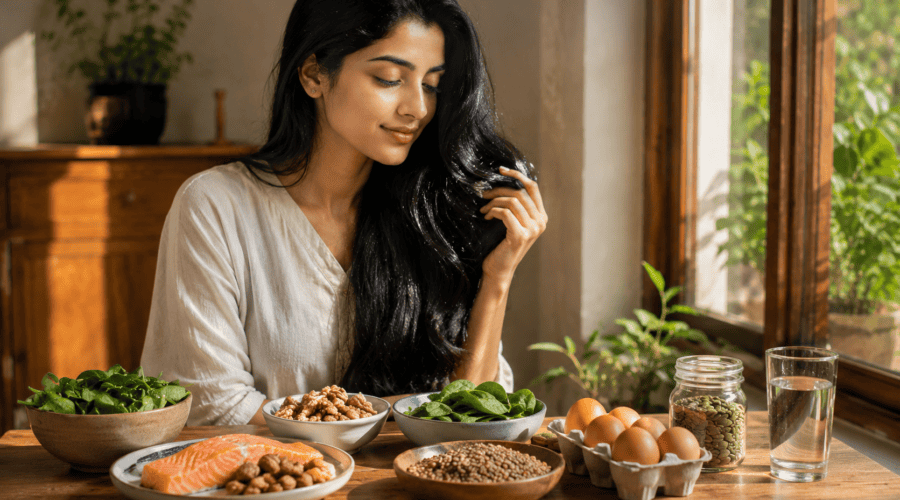
Vitamins and Foods for Hair Growth — Quick Answer The best vitamins for hair growth include Biotin (B7), Vitamin D, Iron, Zinc, and Vitamin E. Eating foods like eggs, spinach, lentils, nuts, and fatty fish may help support stronger, faster-growing hair. Most women see noticeable improvement within 8–12 weeks of consistent intake.
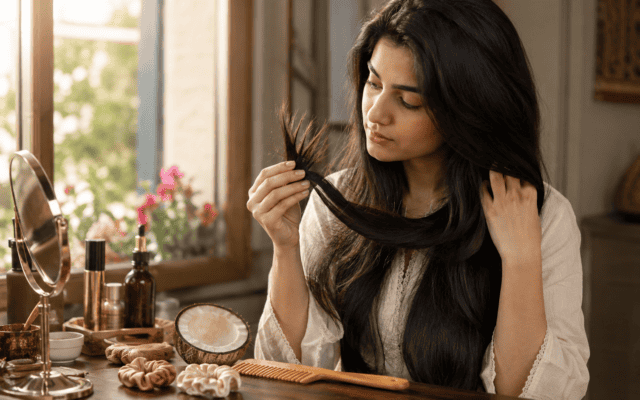
I still remember the morning I grabbed a handful of hair from my pillow and just sat there staring at it. It wasn’t dramatic — no bald patches, nothing alarming — but it was more than usual. My scalp felt thinner at the crown, my ponytail felt lighter, and I had that low-grade anxiety that every woman knows: Is this going to get worse?
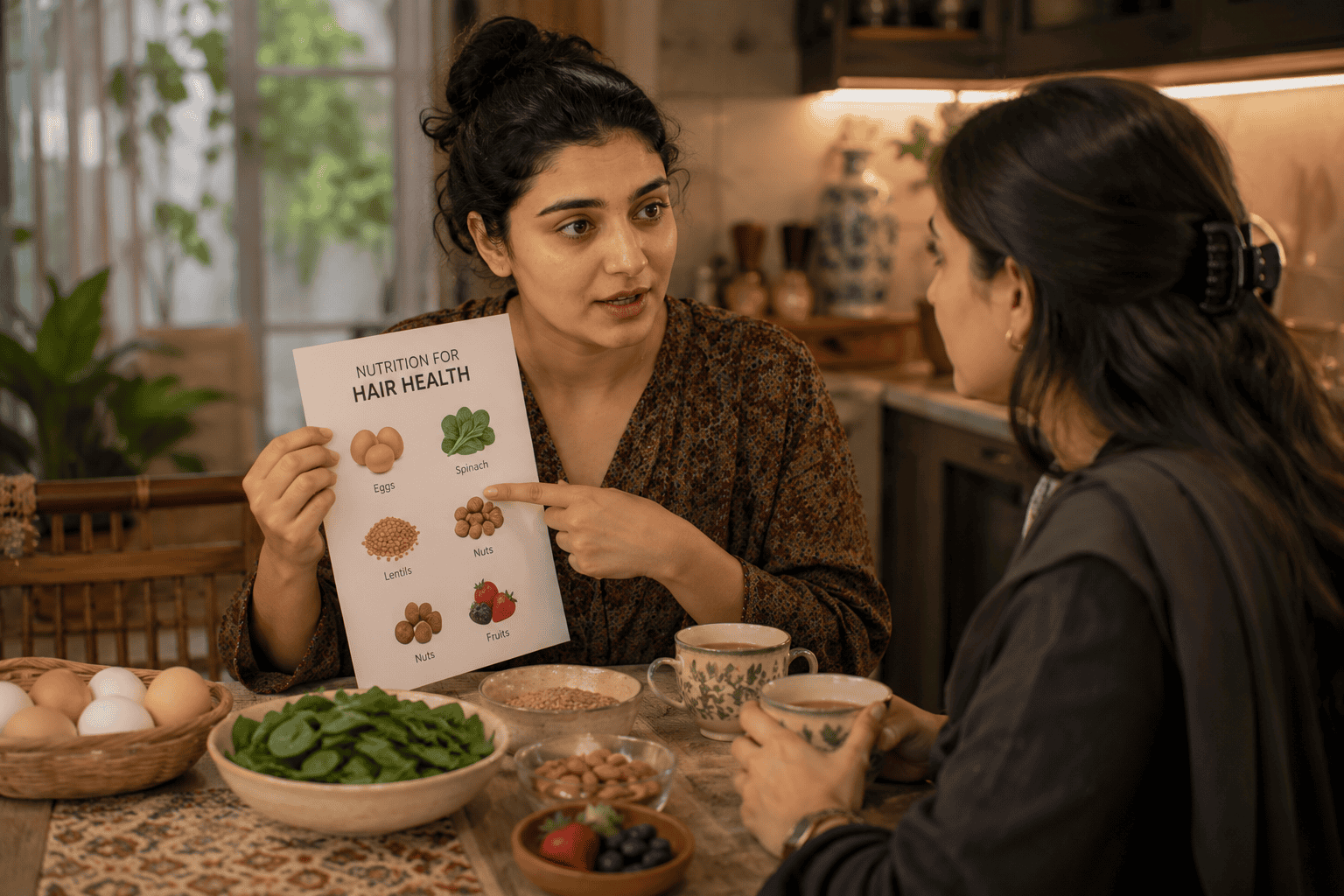
I spent weeks trying expensive serums and switching shampoos before my friend Nadia — who is absolutely relentless about natural health — sat me down with a cup of chai and said, “You’re fixing the outside. The problem is the inside.” She was right. The turning point wasn’t a new product. It was understanding what my hair actually needed to grow — and starting to eat it.
Here’s what I’ve learned after months of research, food journaling, and honest trial and error: what you put in your body matters far more than what you put on your scalp.

What Your Hair Actually Needs to Grow (And What Most Women Get Wrong)
Hair growth isn’t random. Each strand grows from a follicle that needs a steady supply of nutrients — proteins, vitamins, and minerals — to stay active. When your body is deficient, it redirects resources away from hair (which it considers non-essential) toward vital organs.
What hair loss from nutrition IS:
- A sign of deficiency in Iron, Vitamin D, Zinc, or Biotin
- Often gradual — starts with thinning, not bald patches
- Reversible in most cases with dietary changes
What it ISN’T:
- Always a sign of genetics or permanent loss
- Fixable overnight with supplements alone
- Caused by “weak” hair — it’s usually weak follicles
The trick is: you can’t out-supplement a poor diet. Real food sources absorb better than most pills, and the combination of nutrients in whole foods works synergistically.
Also Read: Best Shampoos for Hair Fall Control
Does Biotin Really Help Hair Growth?
Let’s be honest — biotin has been marketed aggressively as the hair growth miracle. Here’s what the research actually says: according to a 2017 review in Skin Appendage Disorders, biotin supplementation showed hair growth benefits primarily in people who were already deficient. If your biotin levels are normal, extra biotin may not do much.
That said, biotin deficiency is more common than most women realize, especially those on restrictive diets or who eat a lot of raw egg whites (which block biotin absorption).
Best food sources of Biotin:
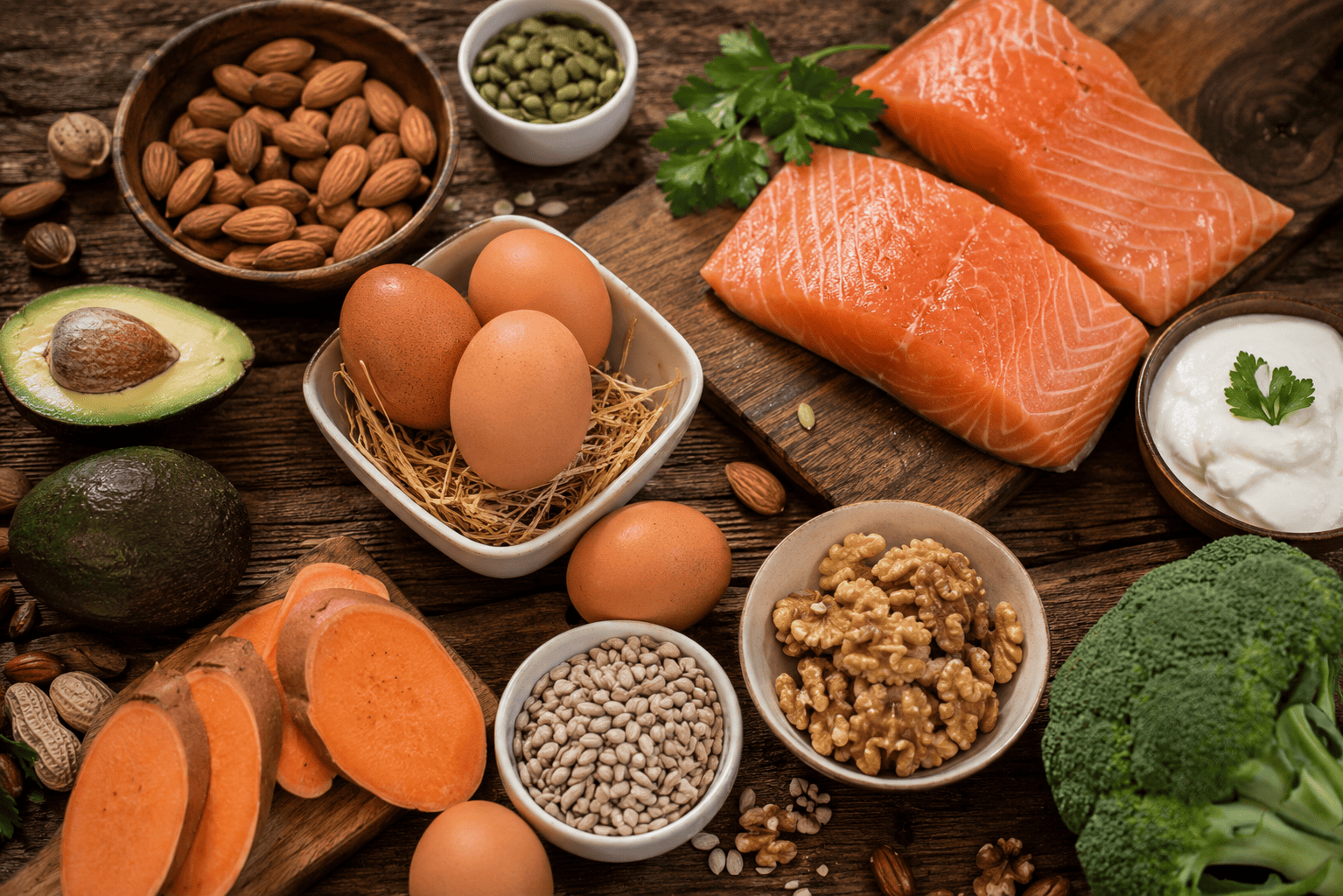
- Eggs (especially the yolk) — 1 large egg provides ~10 mcg
- Almonds — a small handful gives you ~1.5 mcg
- Sweet potatoes — one medium potato has ~2.4 mcg
- Salmon — one of the richest sources at ~5 mcg per 3 oz
How to use it: Eat 2–3 biotin-rich foods daily rather than relying on a supplement. If you do supplement, 30–100 mcg daily is the typical range — more is not better and can interfere with lab tests.
Best for: Women with brittle nails alongside hair thinning (a classic biotin deficiency sign), ages 20–45. Cost: Food-based = free. Supplement = under $10/month.
💡 Pro Tip: Cooking eggs destroys avidin, the protein that blocks biotin absorption. Always eat your eggs cooked.
Iron Deficiency — The Most Underdiagnosed Cause of Hair Loss in Women
According to the Journal of Korean Medical Science (2022), iron deficiency is one of the most common nutritional causes of hair loss in women of reproductive age. And the frustrating part? Your doctor might tell you your iron is “fine” — but if your ferritin (stored iron) is below 30 ng/mL, your follicles are likely struggling.
I learned this the hard way. My iron came back “normal” on a standard panel, but my ferritin was 18. My dermatologist (finally!) told me that hair loss can begin when ferritin drops below 40.
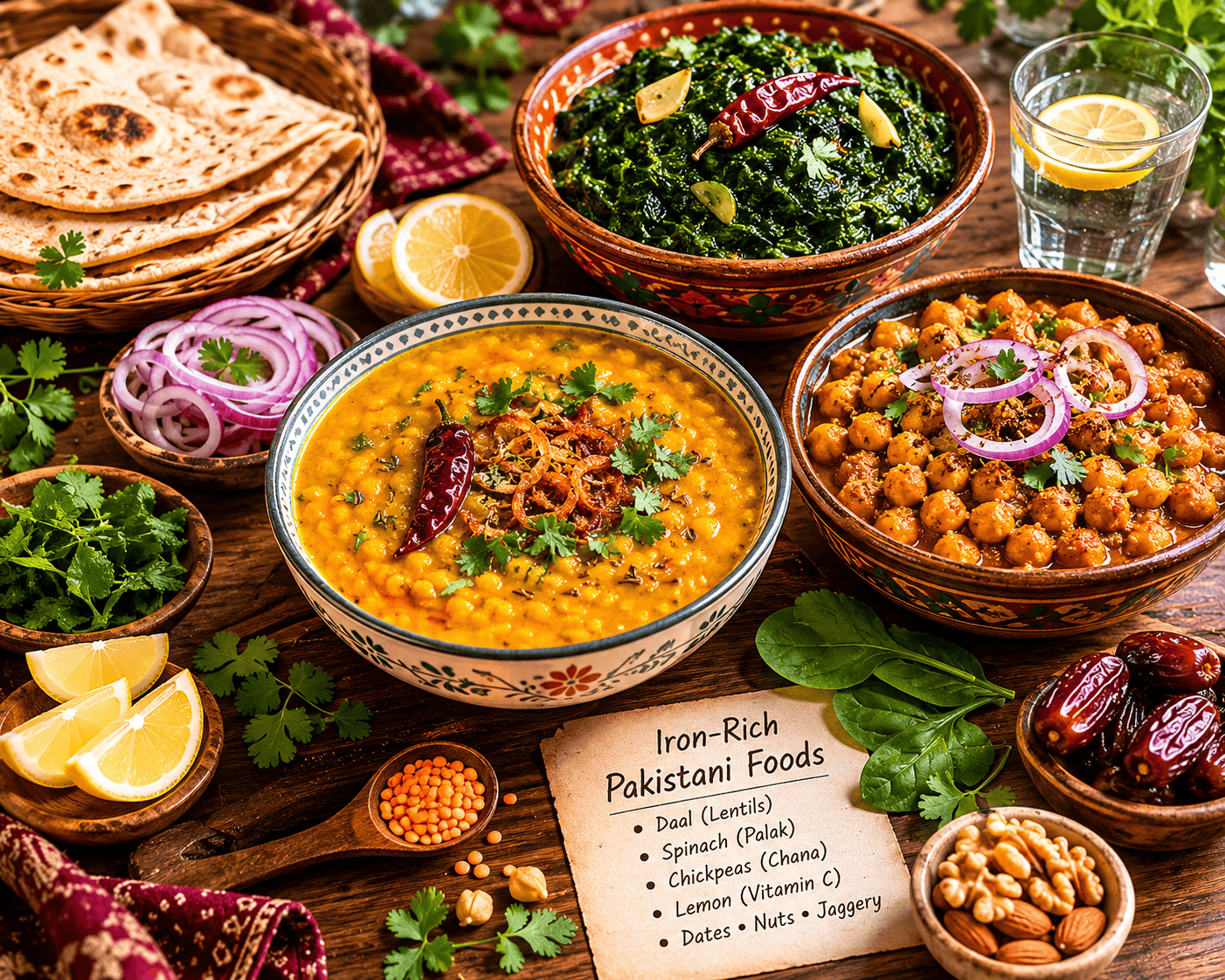
Best iron-rich foods for hair growth:
- Lentils (daal) — 1 cup cooked = ~6.6 mg iron. Nadia has daal every other day and swears her hair started growing back within 3 months.
- Spinach — 1 cup cooked = ~6.4 mg iron
- Red meat (lean beef) — 3 oz = ~2.5 mg (heme iron, absorbed best)
- Pumpkin seeds — 1 oz = ~2.5 mg
- Chickpeas — 1 cup = ~4.7 mg
Done right: Pair iron-rich plant foods with Vitamin C (lemon juice, tomatoes) to boost absorption by up to 67%. Done wrong: washing daal down with chai or coffee, which reduces iron absorption significantly — wait at least 30 minutes.
Best for: Women aged 18–45, especially those with heavy periods or vegetarian/vegan diets.
💡 Pro Tip: Ask your doctor specifically for a ferritin test, not just a standard iron panel. It’s a different number and much more relevant for hair loss.
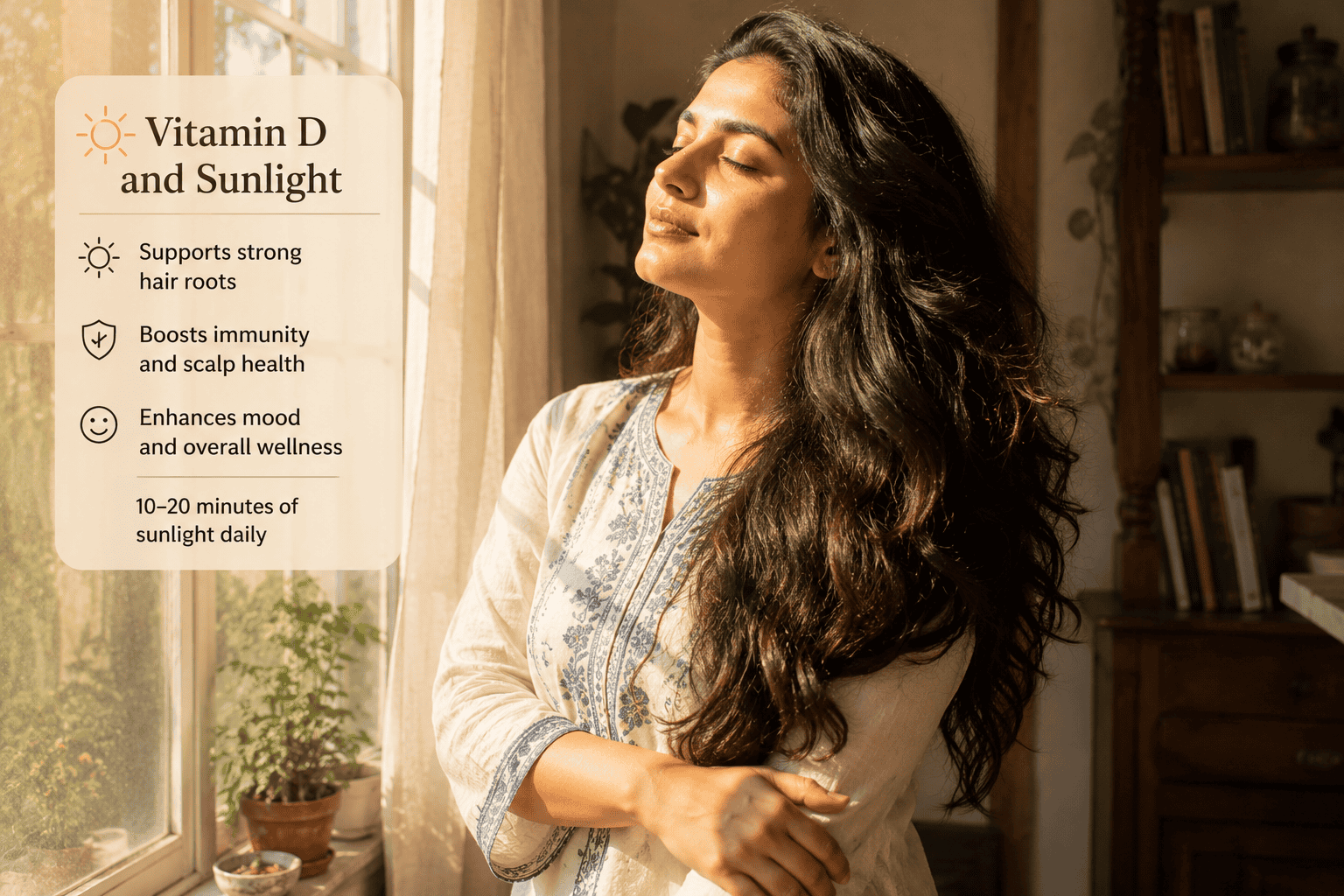
Vitamin D — The Sunshine Vitamin Your Follicles Are Probably Starving For
A 2019 study published in Nutrients found that women with female-pattern hair loss had significantly lower Vitamin D levels than those without hair loss. According to WHO data, Vitamin D deficiency affects over 1 billion people globally — and South Asian women, who often have limited sun exposure and higher melanin levels, are particularly at risk.
I checked my Vitamin D last year: it was 14 ng/mL. The reference range starts at 30. No wonder my hair was suffering.
Best food sources:
- Fatty fish (salmon, mackerel) — 3 oz salmon = ~447 IU
- Egg yolks — 1 yolk = ~41 IU
- Fortified milk — 1 cup = ~100–130 IU
- Mushrooms (sun-exposed) — surprisingly high at ~400 IU per ½ cup
Supplement reality: Food alone rarely gets you to optimal levels. A daily supplement of 1,000–2,000 IU is widely recommended — but consult your doctor before starting, especially during pregnancy.
Best for: Women living in low-sunlight climates, those who cover up outdoors, ages 25–50. Time to results: 3–6 months of consistent supplementation.
Zinc — The Mineral That Keeps Follicles Active
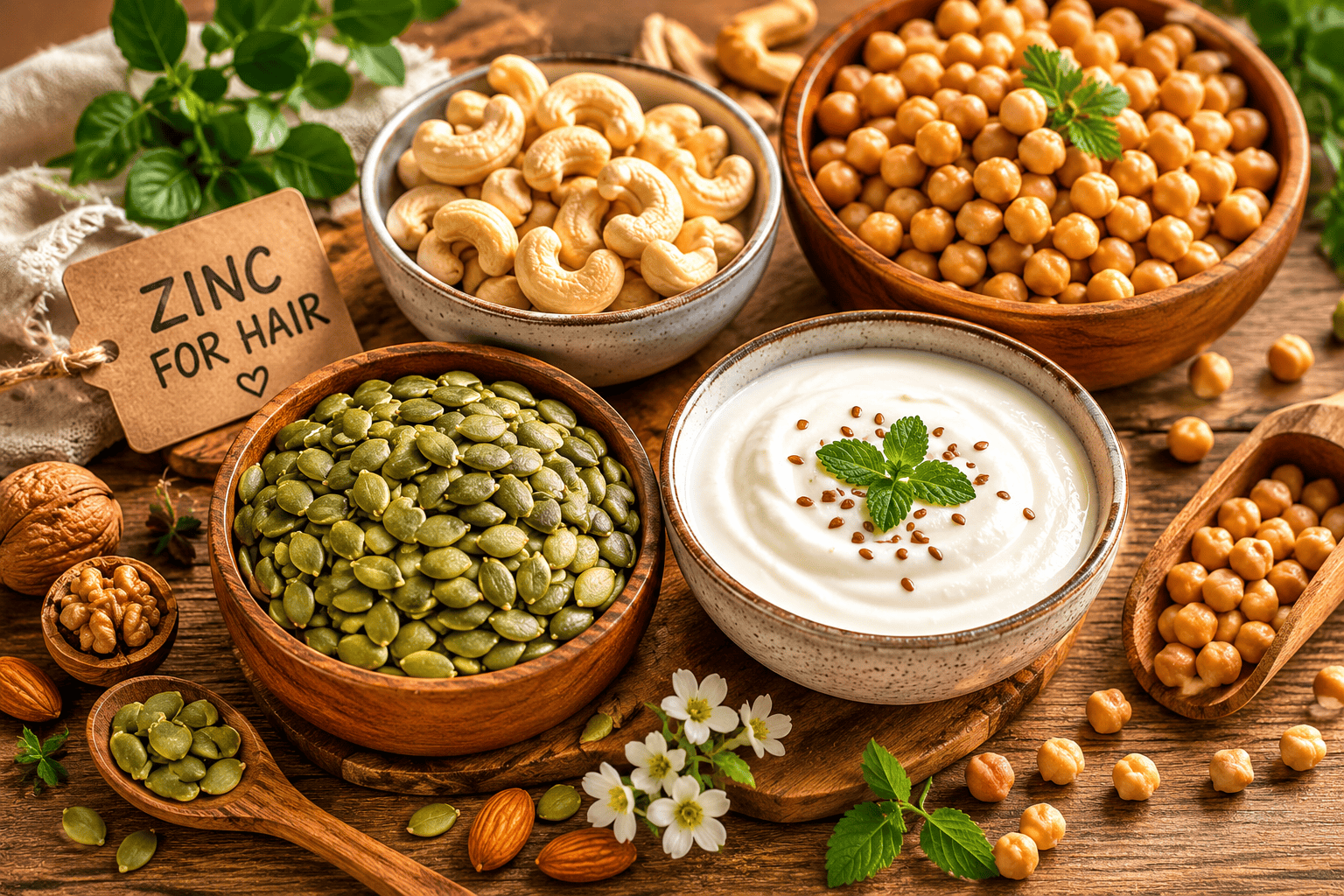
Zinc plays a direct role in hair tissue growth and repair. A 2013 study in Annals of Dermatology found that patients with alopecia areata had significantly lower zinc levels than controls.
Best food sources:
- Pumpkin seeds — 1 oz = 2.2 mg zinc
- Beef — 3 oz = ~7 mg zinc
- Chickpeas — 1 cup = ~2.5 mg zinc
- Cashews — 1 oz = ~1.6 mg zinc
- Dairy — yogurt provides ~1 mg per cup
Important: Too much zinc (from supplements) can actually cause hair loss. Stay within food-based sources whenever possible, and if supplementing, don’t exceed 40 mg/day.
Best for: Women with slow-growing hair, weak nails, and frequent infections (all zinc deficiency signs).
💡 Pro Tip: Phytates in grains and legumes reduce zinc absorption. Soaking lentils and chickpeas before cooking improves zinc bioavailability significantly.
Omega-3 Fatty Acids — For Scalp Health and Shine
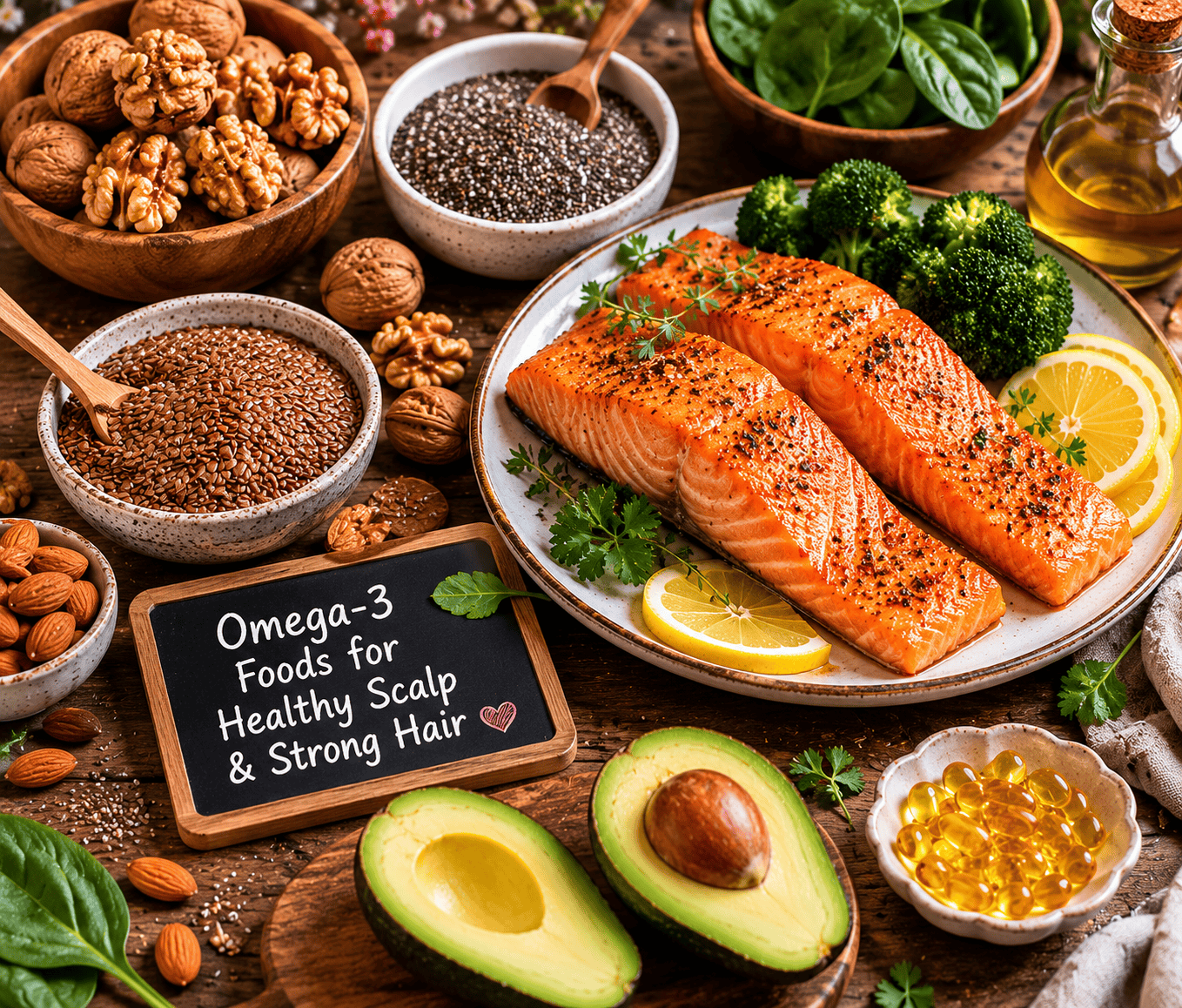
Omega-3s reduce scalp inflammation, which is an underappreciated driver of follicle damage. A 2015 study in the Journal of Cosmetic Dermatology found that women taking omega-3 supplements reported reduced hair loss and improved hair density after 6 months.
Best food sources:
- Walnuts — 1 oz = 2.5 g omega-3 (Nadia adds a handful to her morning breakfast every day)
- Flaxseeds (ground) — 1 tablespoon = 1.6 g
- Fatty fish — salmon, sardines, mackerel
- Chia seeds — 1 oz = 5 g
Best for: Women with dry, dull hair and flaky scalp. Results typically visible in 8–12 weeks.
Vitamin E — Antioxidant Protection for Your Scalp
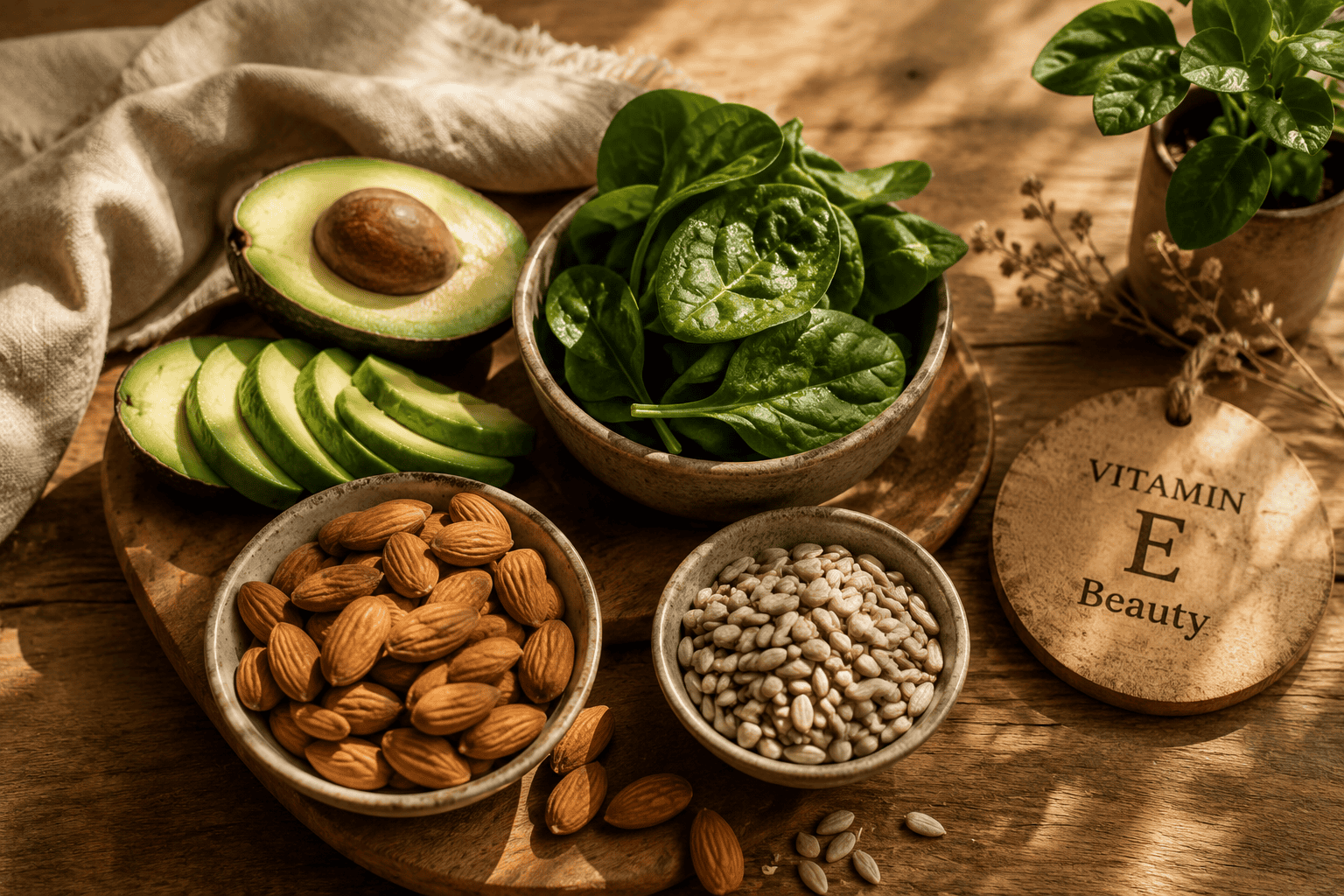
A small 2010 study in Tropical Life Sciences Research found that participants taking Vitamin E supplements experienced a 34.5% increase in hair count over 8 months. Vitamin E protects follicles from oxidative stress — essentially, free radical damage.
Best food sources:
- Sunflower seeds — 1 oz = ~7.4 mg (nearly 50% of daily need)
- Almonds — 1 oz = ~7.3 mg
- Avocado — half an avocado = ~2 mg
- Spinach — 1 cup cooked = ~3.7 mg
Common Mistakes That Cancel Out Your Efforts
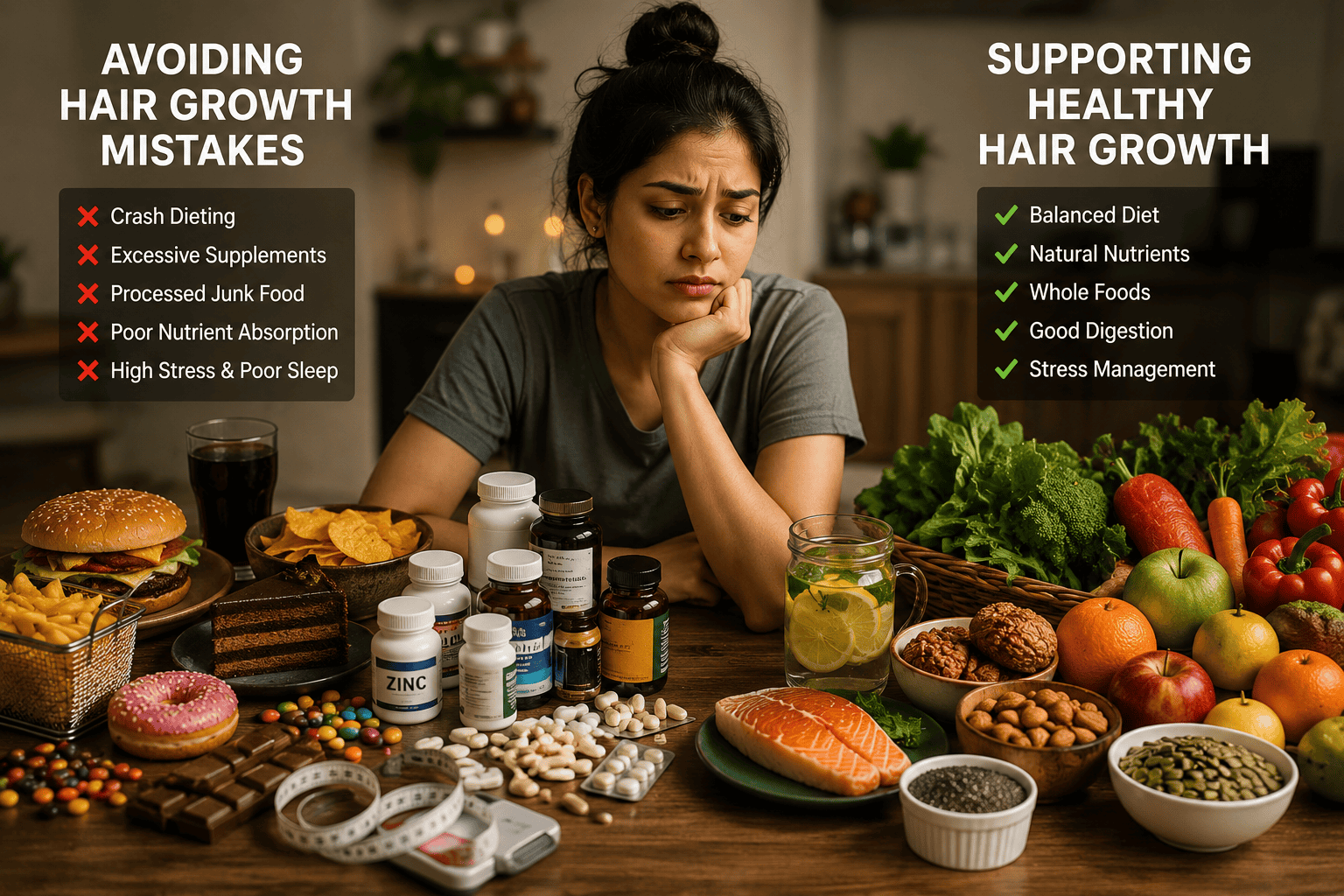
- Skipping protein: Hair is made of keratin — a protein. Without enough dietary protein (aim for 0.8–1g per kg of body weight daily), your body can’t build hair.
- Crash dieting: Rapid caloric restriction is one of the fastest ways to trigger diffuse hair shedding. It can start within 3 months of extreme dieting.
- Over-supplementing: Taking 10 different hair supplements at once can actually create nutrient imbalances. Pick deficiencies you’ve confirmed and address them.
- Drinking tea or coffee with iron-rich meals: Tannins significantly reduce iron absorption. Wait 30–60 minutes.
- Ignoring protein at breakfast: Morning is when your body is building and repairing — a protein-rich breakfast supports this.
Comparison Table: Top Vitamins and Foods for Hair Growth
| Nutrient | Best Food Source | Daily Target | Time to See Results | Best For |
|---|---|---|---|---|
| Biotin | Eggs, almonds | 30–100 mcg | 8–12 weeks | Brittle hair and nails |
| Iron (Ferritin) | Lentils, spinach, red meat | 18 mg (women) | 3–6 months | Excessive shedding |
| Vitamin D | Fatty fish, egg yolk | 600–2000 IU | 3–6 months | Thinning at crown |
| Zinc | Pumpkin seeds, beef | 8 mg | 6–12 weeks | Slow growth, weak strands |
| Omega-3 | Walnuts, flaxseeds, fish | 1.1 g | 8–12 weeks | Dull, dry hair |
| Vitamin E | Sunflower seeds, almonds | 15 mg | 2–3 months | Breakage, oxidative damage |
| Protein | Eggs, chicken, lentils | 45–55 g/day | 3–4 months | Overall growth rate |
When to See a Doctor
Home remedies and dietary changes work well for nutritional deficiency-related hair loss — but some causes need medical attention. Consult your doctor if:
- You’re losing more than 100–150 hairs per day consistently for over 3 months
- You notice patchy bald spots or a receding hairline
- Hair loss is accompanied by fatigue, cold intolerance, or unexplained weight change (thyroid signs)
- You’re postpartum — hormonal shedding can be significant and may need monitoring
- Dietary changes show no improvement after 6 months
Please consult your doctor before starting any new supplements, especially during pregnancy or if you’re on medication.
FAQ: Vitamins and Foods for Hair Growth
Q: Which vitamin deficiency causes the most hair loss? Iron deficiency (specifically low ferritin) is the most common nutritional cause of hair loss in women, followed by Vitamin D deficiency. A blood test can confirm which deficiencies you have so you can target them precisely rather than guessing.
Q: How long does it take to see hair growth from dietary changes? Most women notice reduced shedding within 6–8 weeks of addressing deficiencies. Visible new growth typically takes 3–6 months, since hair grows approximately 1.5 cm per month and follicles need time to reactivate.
Q: Is biotin worth taking for hair growth? Only if you’re deficient. Research shows biotin helps hair growth specifically in people with low levels. If your biotin is normal, extra supplementation may not make a difference. Focus on confirmed deficiencies from a blood panel.
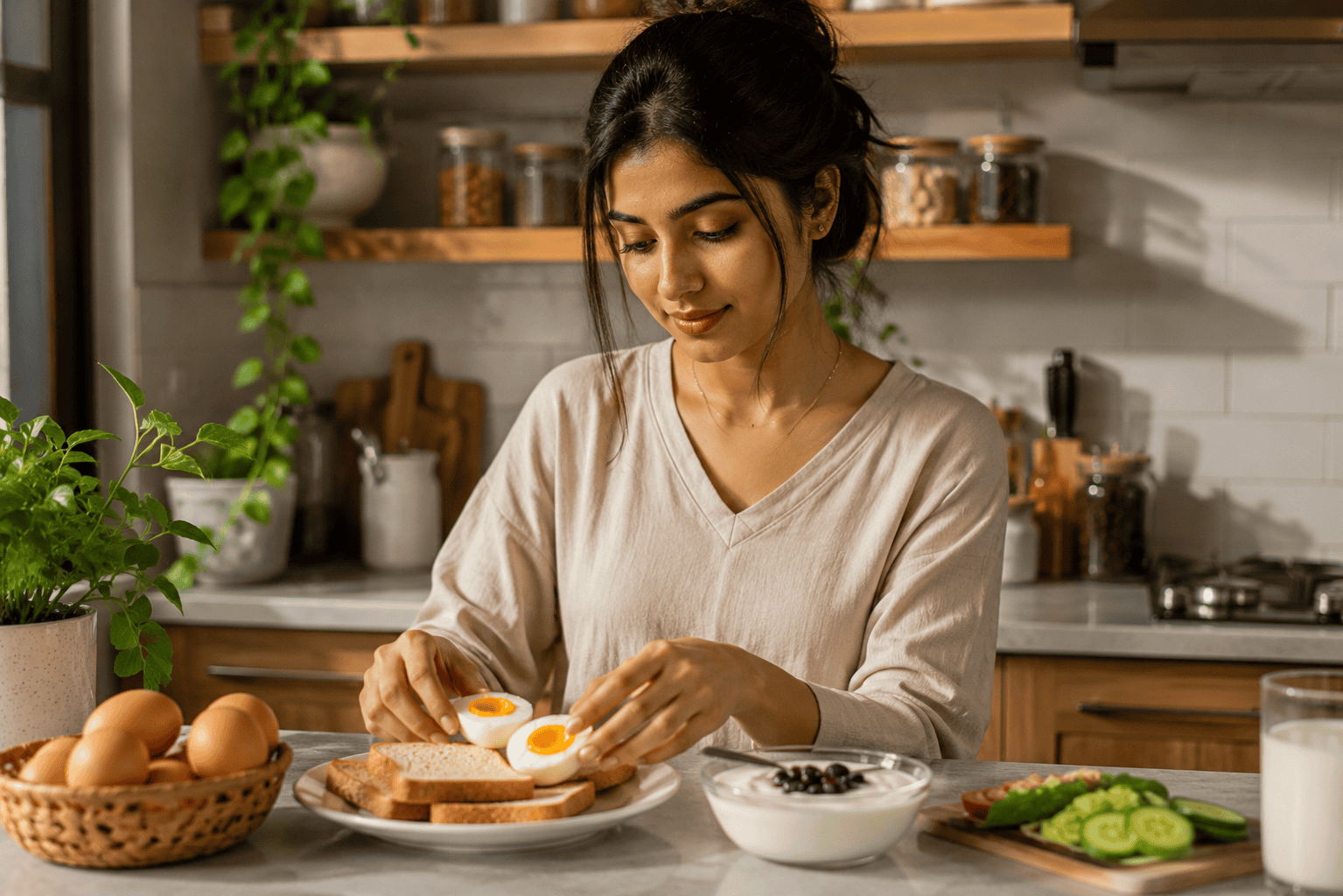
Q: Can eating eggs every day help hair growth? Yes — eggs are one of the most complete hair-growth foods available. They provide biotin, protein, zinc, and selenium in a single food. Eating 1–2 eggs daily is a simple and cost-effective strategy for supporting hair health.
Q: What foods should I avoid for hair health? Heavily processed foods, excessive sugar, and trans fats create systemic inflammation that can affect follicle health. Alcohol interferes with zinc and B-vitamin absorption. Crash diets and very low calorie intakes trigger shedding reliably.
Q: Does protein really affect hair growth? Absolutely. Hair is made of keratin, which is a protein. Without adequate dietary protein, the body enters a “telogen effluvium” — a shedding phase where follicles pause growth. Aim for at least 45–55 grams of protein daily.
Q: Is it better to get vitamins from food or supplements? Food first, always. Nutrients from whole foods come with cofactors that improve absorption and work synergistically. Supplements are useful for confirmed deficiencies but can create imbalances if taken unnecessarily.
Q: How much biotin should I take daily for hair growth? The recommended adequate intake is 30 mcg/day for adults. Many supplements contain 5,000–10,000 mcg — far more than needed, and high doses can interfere with thyroid and cardiac lab tests. Stick to 100–1,000 mcg if supplementing.
Q: Can low iron cause hair loss even if I’m not anemic? Yes. Hair loss from low ferritin (stored iron) can occur even when hemoglobin is normal — you can be iron-depleted without being clinically anemic. Ask your doctor to test ferritin specifically, with a target above 40 ng/mL for hair health.
Q: What’s the fastest way to see results from nutritional changes? Address the most likely deficiency first (get blood work done). Combine dietary changes with consistent intake — there’s no shortcut. Most women see reduced shedding within 6 weeks and measurable regrowth by month 3–4.
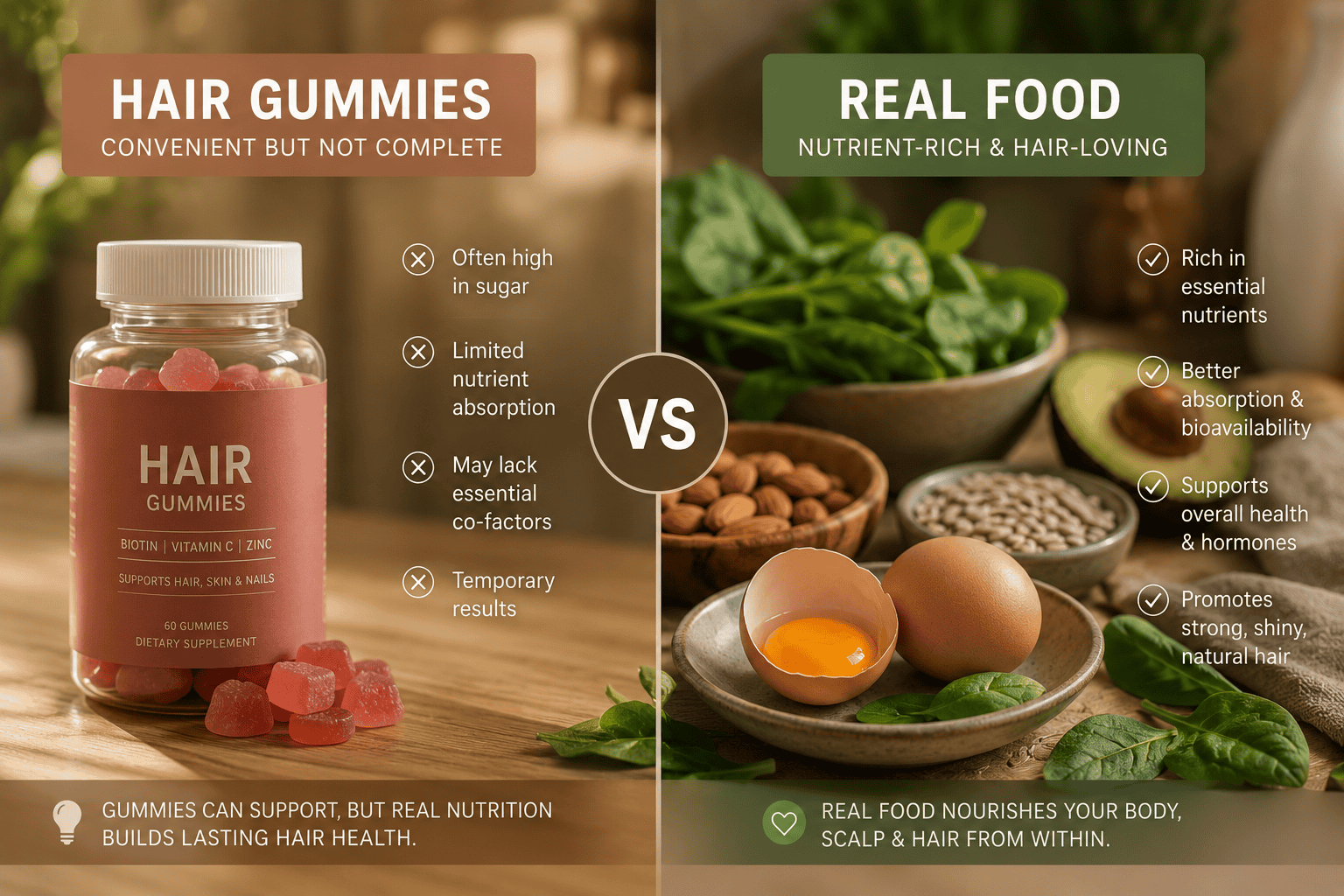
Q: Are hair gummies effective? Most hair gummies are primarily biotin with some B vitamins and a lot of sugar. They can help if you’re biotin-deficient, but they’re not superior to a balanced diet. If you enjoy them, they’re harmless — just don’t rely on them as a primary strategy.
Q: Can stress cancel out nutritional improvements? Yes. Chronic stress raises cortisol, which can push follicles into the shedding phase regardless of your diet. Managing stress alongside nutritional improvements gives the best results.
People Also Ask
❓ What is the best Vitamins and Foods for Hair Growth in women? → Iron (specifically ferritin) and Vitamin D are the most commonly deficient vitamins in women with hair loss, making them the highest-priority nutrients to check. Biotin gets the most marketing attention, but it only helps if you’re actually deficient.
❓ Which foods make hair grow faster? → Eggs, lentils, spinach, salmon, walnuts, and pumpkin seeds consistently rank as the most nutrient-dense foods for hair growth. They collectively provide protein, iron, Vitamin D, zinc, omega-3s, and biotin.
❓ Can I regrow lost hair with diet changes? → In many cases, yes — if the hair loss was caused by nutritional deficiency, hormonal fluctuation, or stress-related shedding. Follicles that are dormant (not dead) can reactivate with proper nutrition. Expect 3–6 months for visible regrowth.
❓ Is vitamin D deficiency a common cause of hair loss? → Yes. Multiple studies have found lower Vitamin D levels in women with hair loss compared to those without. Deficiency is particularly common in South Asian women due to limited sun exposure and higher melanin content.
Quick Summary — Vitamins and Foods for Hair Growth ✅ Best nutrients: Iron (ferritin), Vitamin D, Biotin, Zinc, Omega-3 ⏱ Time to results: 6–8 weeks (reduced shedding), 3–6 months (regrowth) 💰 Budget option: Eggs + lentils + spinach — under $1/day ⚠️ Avoid if: Taking blood thinners (Vitamin E in high doses needs clearance) 👩⚕️ See a doctor if: Losing 100+ hairs/day, patchy loss, or thyroid symptoms 📌 Top tip: Get ferritin and Vitamin D tested before buying any supplement.
Leave a Comment
Share your thoughts or questions about this article!