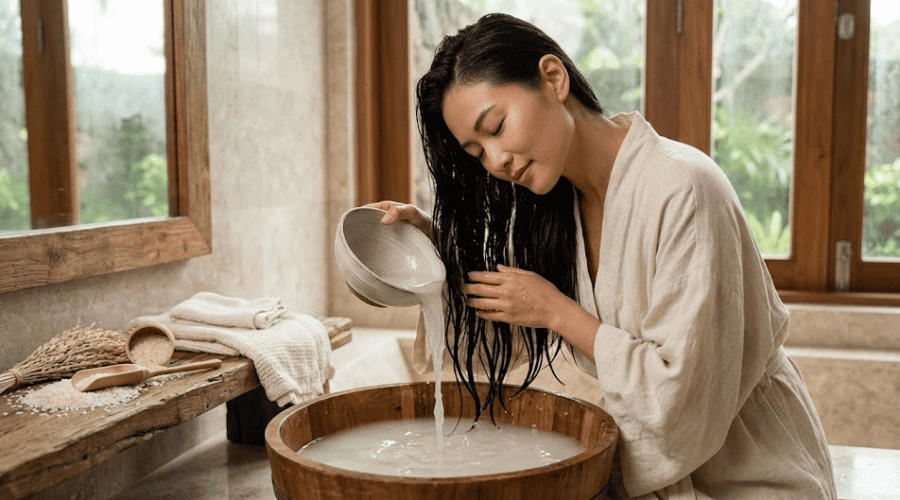
Silky Smooth Hair at Home — Quick Answer To make hair silky and smooth at home, focus on deep moisture (egg-honey masks), sealing the hair cuticle (cold water rinse, ACV rinse), and reducing friction (silk pillowcase, microfibre towel). Consistent weekly treatments using ingredients like coconut oil, aloe vera, and argan oil may significantly improve smoothness within 2–4 weeks.There’s a very specific kind of frustration that comes with frizzy, rough hair on a day you actually needed it to behave. I used to spend twenty minutes with a straightener, coat everything in serum, and still end up with hair that puffed up the moment I walked outside. I tried keratin treatments. I tried expensive salon masks. I tried that famous Brazilian blowout that took three hours and cost more than my grocery bill for the week.
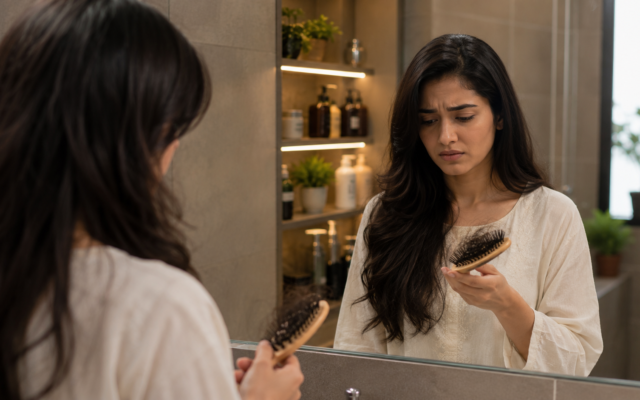
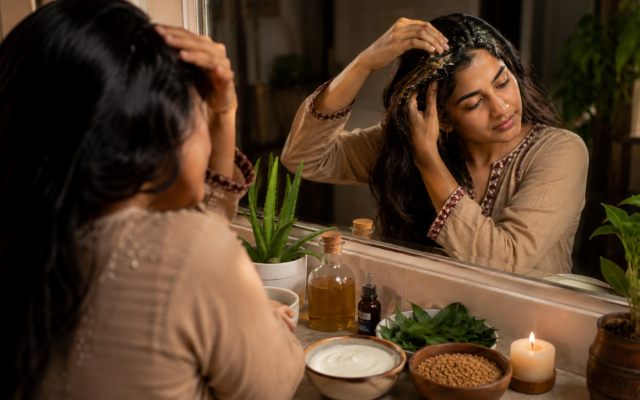
How to make hair silky and smooth at home is a common question among people struggling with dry, rough, and frizzy hair. Pollution, heat styling, poor diet, and harsh shampoos can damage your hair and make it look dull. The good news is that you can restore softness and shine naturally with simple home remedies, healthy hair habits, and proper care.
It wasn’t until Nadia — whose hair is genuinely the kind of silky you’d assume was filtered — showed me her actual routine that I understood what I’d been doing wrong. There was no expensive product involved. She was doing a rice water rinse, sealing with argan oil, and sleeping on a silk pillowcase. That was essentially it.
“You’re trying to force your hair to be smooth,” she said. “You have to train it.” She’s annoyingly right about these things.
Here’s everything I’ve learned — what actually gives you silky, smooth hair at home, what’s wasting your money, and exactly how to do each step.
What “Silky Hair” Actually Means (And Why Your Hair Isn’t It)

Silky hair isn’t a texture you’re born with or without — it’s the result of flat, closed hair cuticles. The cuticle is the outer layer of each strand, made of overlapping scale-like cells. When these scales lie flat, light reflects evenly and hair looks glossy and feels smooth. When they’re lifted — from heat, chemical damage, dryness, or friction — hair feels rough, looks dull, and frizzes.
What causes cuticle damage:
- Heat styling without heat protectant
- Washing with very hot water (opens cuticles permanently over time)
- Rough towel drying
- Chemical treatments (colour, bleach, relaxers)
- Hard water mineral buildup on strands
- Over-brushing, especially when wet
The trick is: most silky hair routines are really just cuticle-closing and moisture-sealing routines. Once you understand that, everything else makes sense.
Does the Egg and Honey Hair Mask Really Work?

I was skeptical of this one for a long time. Eggs? In my hair? The smell alone was enough to make me hesitate. But here’s what the research actually says: egg yolks are rich in proteins, lipids, and biotin, all of which can temporarily fill in gaps in the hair cuticle and add weight and smoothness to the strand.
A 2007 study in the Journal of Cosmetic Science found that proteins applied topically can temporarily improve hair’s mechanical properties — reducing breakage and increasing smoothness.
The basic egg mask:
- 1 whole egg (or 2 yolks for very dry hair)
- 2 tablespoons raw honey
- 1 tablespoon olive oil
How to apply:
- Whisk together until smooth and well-combined
- Apply to damp (not dripping wet) hair from root to tip
- Cover with a shower cap — the warmth helps penetration
- Leave for 20–25 minutes
- Rinse with cool water (never hot — you’ll scramble the egg)
- Shampoo once with a mild, sulphate-free shampoo
- Follow with conditioner
What to expect: Hair feels noticeably smoother and heavier immediately after. With once-weekly use, texture improvement builds over 3–4 weeks.
Best for: Frizzy, dry, or chemically processed hair. All hair types except very fine (the egg can weigh fine hair down). Ages 16–50. Cost: Under $2 per treatment.
💡 Pro Tip: Always rinse egg masks with cool water first before shampooing. Hot water sets the protein and can leave residue that makes hair feel stiff.
The Rice Water Rinse — Why Nadia Has Been Doing This for Two Years
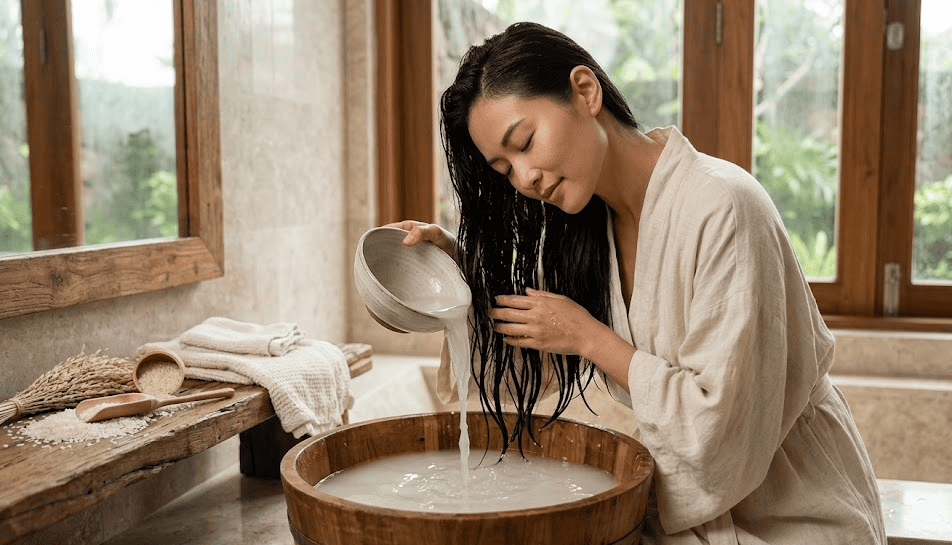
Nadia learned this from her mother, who learned it from her mother. Fermented rice water has been used for centuries by Yao women in China, whose hair is famously long, strong, and smooth. A 2010 study in the International Journal of Cosmetic Science confirmed that inositol — a compound in rice water — can penetrate the hair shaft, reduce surface friction, and improve elasticity.
How to make fermented rice water:
- Rinse ½ cup of plain white rice
- Soak in 2 cups of water for 12–24 hours at room temperature (fermentation happens — you’ll notice a slightly sour smell)
- Strain out the rice
- Pour the liquid into a spray bottle
How to use:

- After shampooing, spray rice water generously from roots to tips
- Massage into scalp for 2–3 minutes
- Leave for 5–20 minutes (start with 5 minutes if it’s your first time)
- Rinse thoroughly with cool water
- Follow with a light conditioner to balance protein
Frequency: Once a week. Overuse can cause protein overload — hair may feel stiff or snappy.
Best for: Women with dull, limp, or breakage-prone hair. Particularly effective on thick, coarse South Asian hair textures. Cost: Essentially free — just rice and water.
The Apple Cider Vinegar Rinse — Closing Cuticles the Simple Way
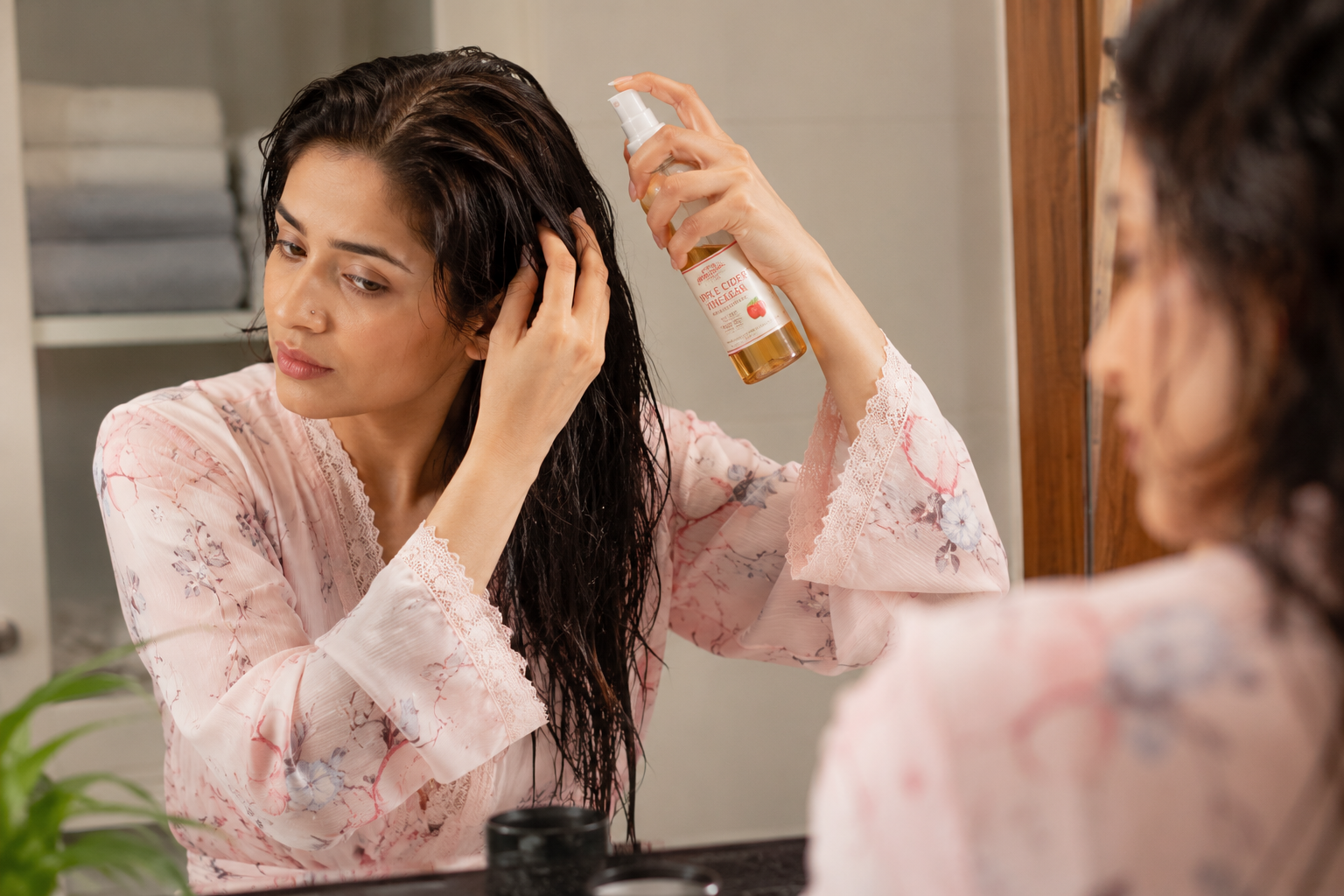
This is the one step that made the biggest visible difference for me. Hard water (which most of us have) leaves mineral deposits on hair that roughen the cuticle over time. Apple cider vinegar (ACV) has a low pH that literally closes the cuticle scales back down and dissolves mineral buildup.
The rinse:
- 1 tablespoon ACV
- 1 cup cool water
- Optional: 2–3 drops of lavender essential oil (for scent)
How to use: After your final conditioner rinse, pour this mix over your hair, work through from roots to tips, and leave for 1–2 minutes. Rinse with cool water. Your hair will feel slightly tacky wet but silky once dry — that’s the cuticle closing.
Frequency: Once a week or every other wash.
Best for: Women with dull, frizzy, or hard-water-damaged hair. Immediate results after the first use. Cost: Under $0.10 per rinse.
💡 Pro Tip: Never use undiluted ACV on your scalp — the acidity is too high and can cause irritation. Always dilute 1:8 to 1:16 (1 tablespoon in 1–2 cups of water).
Argan Oil — The Finishing Step Most Women Apply Wrong
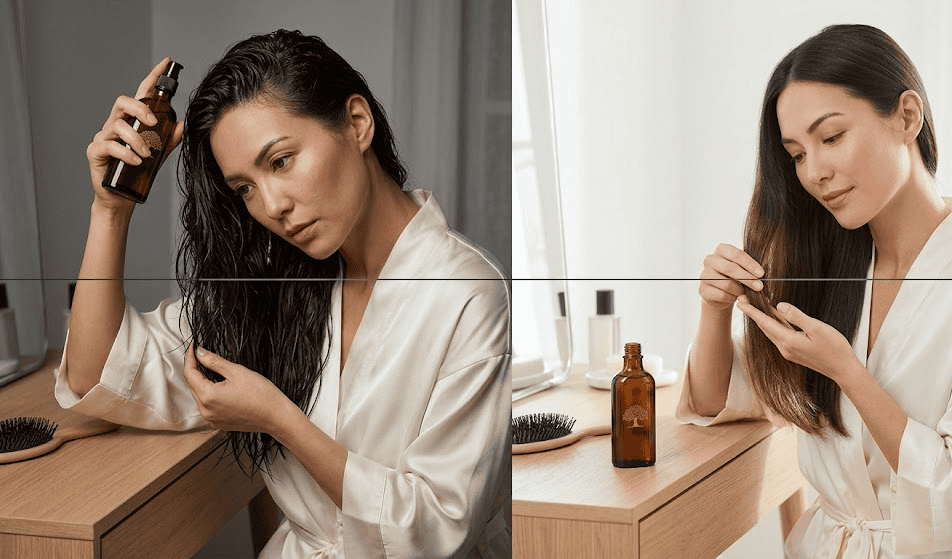
Argan oil is genuinely effective for smoothness — it’s rich in oleic acid, linoleic acid, and Vitamin E, which seal the cuticle and add shine without heaviness. The mistake most women make is using too much (2–3 pumps when 2–3 drops is plenty) or applying to dry hair too late in the routine.
Done right:
- Apply 2–3 drops to damp hair immediately after towel-drying, before drying
- Focus on the mid-lengths to ends — keep it off the roots
- Smooth through with palms, then air dry or blow-dry as normal
Done wrong:
- Applying a full pump to already-dry hair = greasy, heavy look that doesn’t move
- Applying to roots = weighs down the scalp and makes it look unwashed by day 2
Best for: Dry, frizzy, colour-treated, or thick hair. All ages. Cost: $8–15 for a bottle that lasts 3–4 months with correct usage.
The Milk and Honey Rinse — Old Remedy, Real Results

This sounds like something from an ancient recipe book, and honestly — it kind of is. Milk contains lactic acid (which gently smooths the cuticle) and proteins that add softness. Honey is a humectant that draws moisture into the hair shaft.
The rinse:
- 1 cup whole milk
- 2 tablespoons raw honey
- Mix until honey fully dissolves
Apply to clean, damp hair after shampooing. Distribute evenly. Leave for 20 minutes. Rinse thoroughly with cool water.
Best for: Very dry, coarse, or heat-damaged hair. Monthly treatment. Cost: Under $1 per treatment.
Overnight Coconut Oil Treatment — The One You’re Probably Rushing

Coconut oil is one of very few oils that actually penetrates the hair shaft (rather than just coating the surface). This makes it uniquely effective for deep smoothing — but only if you give it enough time. Applying coconut oil for 30 minutes and calling it a treatment doesn’t do the same job as leaving it overnight.
The overnight method:
- Warm 2 tablespoons of virgin coconut oil between your palms
- Apply from mid-lengths to ends on dry hair (avoid the scalp if you’re prone to greasy roots)
- Twist hair loosely and cover with a silk or satin scarf
- Wash out in the morning with two rounds of shampoo
Best for: Very dry, thick, or heat-damaged hair. Weekly overnight treatment for 4 weeks shows clear results. Cost: Under $0.50 per treatment.
💡 Pro Tip: If coconut oil makes your hair feel heavy or stiff, you may have low porosity hair (cuticles that don’t absorb oil easily). Switch to lighter oils like jojoba or sweet almond oil instead.
Common Mistakes That Keep Your Hair Rough
- Hot showers: Hot water lifts cuticles and strips natural oils. Rinse hair with cool or lukewarm water — even just the final rinse makes a difference.
- Rough towel drying: Cotton towels create friction that roughens and breaks the cuticle. Use a microfibre towel or an old cotton t-shirt, and blot — never rub.
- Skipping heat protectant: A single session of heat without protection can create cuticle damage that takes weeks to reverse.
- Over-washing: Daily shampooing strips the natural oils that give hair its smooth, natural coating. 2–3 times per week is usually optimal.
- Brushing wet hair: Wet hair stretches and breaks. Use a wide-tooth comb on wet hair, starting from the tips upward.
- Sleeping on cotton: Cotton pillowcases cause friction all night. A silk or satin pillowcase is one of the cheapest, most effective upgrades for your hair texture.
Comparison Table: Silky Hair Home Remedies
| Remedy | Cost | Effort | Time to Results | Best For |
|---|---|---|---|---|
| Egg + Honey Mask | Under $2 | Medium | 3–4 weeks | Dry, frizzy, chemically treated |
| Rice Water Rinse | Free | Easy | 4–6 weeks | Dull, limp, thin hair |
| ACV Rinse | Under $0.10 | Very Easy | Immediate | Hard-water damage, dullness |
| Argan Oil (finishing) | $8–15 | Easy | Immediate | Frizz control, shine |
| Overnight Coconut Oil | Under $0.50 | Easy | 4 weeks (weekly) | Very dry, thick hair |
| Milk + Honey Rinse | Under $1 | Easy | 2–3 treatments | Coarse, damaged hair |
| Silk Pillowcase | $10–20 (one-time) | None | 1–2 weeks | All hair types |
When to See a Doctor
Most rough, frizzy hair responds well to home care. However, consult your doctor if:
- Hair has become suddenly rough and brittle along with increased shedding (may indicate thyroid issues)
- Scalp is consistently dry, flaky, or itchy despite regular moisturising (may indicate seborrheic dermatitis)
- Hair breaks close to the scalp with no obvious heat or chemical cause (may indicate a nutritional deficiency)
- You have any scalp sores, persistent inflammation, or pain
Please consult your doctor if you’re pregnant before trying new hair treatments, particularly those with essential oils.
FAQ: How to Make Hair Silky and Smooth at Home
Q: How can I make my hair silky and smooth without heat? The ACV rinse, rice water treatment, and egg-honey mask are all heat-free options that significantly improve smoothness. Combined with a microfibre towel and silk pillowcase, you can achieve noticeably smoother hair within 2–3 weeks without touching a heat tool.
Q: How often should I do a deep conditioning mask for smooth hair? Once a week is ideal for most hair types. Over-masking (every day or every other day) can cause protein overload, making hair feel stiff and brittle — the opposite of silky. For very dry or damaged hair, one protein mask + one moisture mask alternating weekly works well.
Q: Why does my hair turn frizzy after washing? Frizz after washing usually means the cuticle is being lifted by hot water, rough towel drying, or friction. Switch to a cool final rinse, blot hair dry with microfibre, apply a few drops of argan or jojoba oil while still damp, and don’t touch it while it dries.
Q: Does rice water actually make hair silky? Yes — the inositol in rice water has been shown to penetrate the hair shaft, reduce friction, and improve elasticity. It’s particularly effective for coarse, thick hair that tends to be rough. Start with plain rice water before trying fermented, as fermented has a stronger protein effect.
Q: Is coconut oil good for silky hair? Coconut oil is one of the only oils that truly penetrates the hair shaft, making it very effective for deep smoothing. However, it can feel heavy on fine hair or cause protein overload on low-porosity hair. Test on a small section first.
Q: How do I know if I have low or high porosity hair? Drop a strand of clean hair into a glass of water. If it floats for several minutes, you have low porosity (cuticles tightly closed, products sit on surface). If it sinks quickly, you have high porosity (cuticles open, moisture in and out quickly). High porosity hair benefits most from protein-rich masks. Low porosity hair does better with lighter, heat-activated treatments.
Q: What is the fastest way to get silky hair at home? An ACV rinse after your regular wash gives the most immediate visible improvement — cuticles close, shine increases, frizz reduces. Pair with 2–3 drops of argan oil applied to damp hair and you’ll notice a difference the same day.
Q: Can I use aloe vera for silky hair? Yes — fresh aloe vera gel is an excellent smoothing treatment. Apply 3–4 tablespoons of pure aloe gel to clean, damp hair, leave for 20 minutes, then rinse. It smooths the cuticle, adds shine, and is particularly good for scalp soothing.
Q: Does sleeping on a silk pillowcase really make a difference? It genuinely does. Cotton pillowcases create significant friction overnight that roughens the cuticle and causes tangles. Silk or satin reduces friction dramatically. Several hair stylists I’ve spoken to rate it as one of the highest-impact, lowest-effort changes for hair texture.
Q: How do I keep my hair smooth in humidity? Humidity causes frizz because moisture from the air is absorbed by the hair shaft unevenly, swelling it. Anti-humidity strategies: use a light oil (argan or jojoba) to seal the cuticle before going outside, apply a light-hold gel to lock in moisture, and avoid touching your hair once it’s styled.
Q: Is protein or moisture more important for silky hair? Both are needed, but balance is key. Protein strengthens the cuticle structure; moisture keeps it flexible and smooth. Signs of too much protein: stiff, snappy hair. Signs of too much moisture: limp, mushy hair. Alternate a protein treatment and a moisture treatment each week.
Q: Does hair type matter for these home remedies? Yes — thick, coarse hair benefits most from heavy oils and protein treatments. Fine hair does better with lighter treatments (rice water, aloe, ACV rinse) that don’t weigh it down. Curly hair needs extra moisture and may need to avoid protein-heavy treatments if already fragile.

Leave a Comment
Share your thoughts or questions about this article!