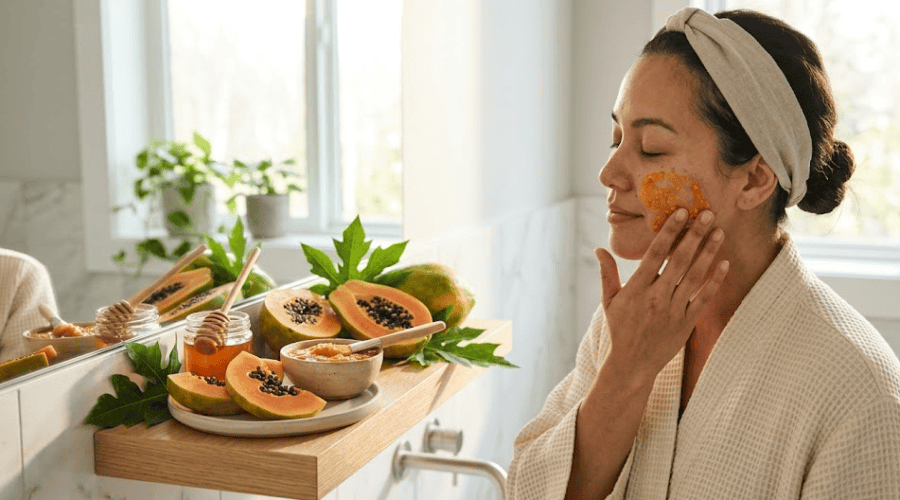
Finding the Best Face Masks for Different Skin Types can completely transform your skincare routine. The right face mask helps hydrate dry skin, control excess oil, calm sensitive skin, and brighten dull complexions naturally at home. Whether you have oily, dry, combination, acne-prone, or sensitive skin, choosing the correct face mask is essential for healthy and glowing skin.
In this guide, you will discover the Best Face Masks for Different Skin Types, including simple DIY remedies, dermatologist-approved ingredients, and effective home treatments that actually work without expensive salon visits.
What Your Skin Type Actually Means (And What Most Women Get Wrong)
Before we get into masks, let’s be honest about skin typing — because getting this wrong means using the wrong mask, which makes everything worse.
Quick skin type test: Wash your face with a gentle cleanser, pat dry, and wait 30 minutes. Don’t apply anything. Then look in the mirror.
- Oily: Shine visible across the entire face — forehead, nose, cheeks, chin. Pores look enlarged.
- Dry: Skin feels tight or looks dull and slightly flaky. Fine lines more visible. Skin feels “papery.”
- Combination: Shiny T-zone (forehead and nose) but dry or normal on the cheeks. This is most women.
- Sensitive: Redness, stinging, or itching when you try new products. Skin reacts easily to heat or cold.
- Normal: Lucky you — balanced, not too oily, not too dry, minimal breakouts.
What it IS: Your skin type is mostly genetic and changes with seasons, hormones, and age. What it ISN’T: A permanent fixed category. Your skin in summer is not your skin in winter. Your skin at 20 is not your skin at 35.
The trick is: stop treating your skin type as one thing. Most women are combination, which means multi-masking — different masks on different zones — is actually the most effective approach. Done right, this takes 15 minutes. Done wrong, you’re spending $40 on a mask that makes half your face worse.
Best Face Masks for Oily Skin
Does Multani Mitti Actually Work for Oily Skin — or Is It Just Hype?
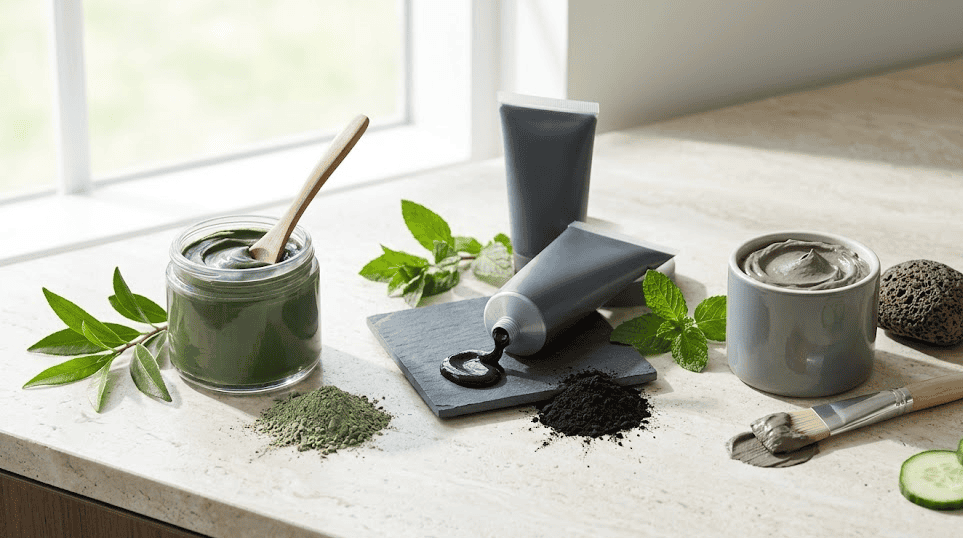
Here’s what actually works: Multani Mitti (Fuller’s Earth) is genuinely one of the most effective oil-absorbing ingredients available — and it costs under $3. I’ll be honest, I was skeptical when Nadia first handed me a packet of it. It looked like plain grey powder. But the science is real — Multani Mitti has a high ion-exchange capacity that literally pulls excess sebum out of pores.
Recipe:
- 2 tablespoons Multani Mitti
- Enough rose water to make a smooth paste (start with 3–4 teaspoons)
- Optional: 1 tsp lemon juice for extra brightening
How to use it: Apply a medium-thick layer to clean, slightly damp skin. Leave on for 10–12 minutes — remove when it’s still slightly tacky, not fully cracked and dry. Rinse with lukewarm water and follow immediately with a lightweight moisturizer.
What to expect: Visible oil control after the first use. Pore tightening becomes noticeable within 2–3 weeks of using it twice a week.
Best for: Oily, acne-prone skin | Ages 16–35 | Warm and humid climates Cost: Under $3 for enough powder to last 2 months
💡 Pro Tip: The biggest mistake with clay masks — including Multani Mitti — is leaving them on until they crack completely. Once a clay mask fully dries, it starts pulling moisture from your actual skin, not just the oil. Remove it while it still feels slightly cool and damp to the touch. Your skin will thank you.
Kaolin Clay + Tea Tree Oil Mask for Acne-Prone Oily Skin
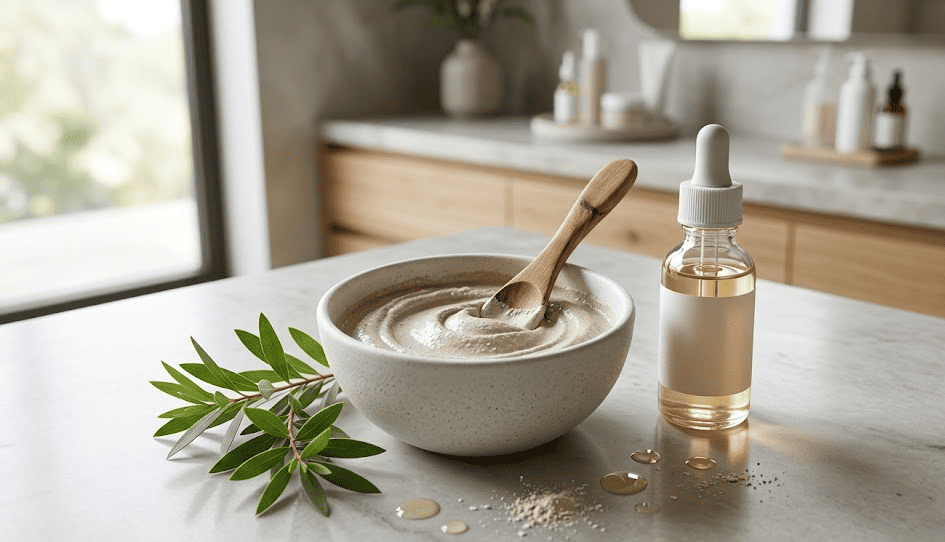
If your oily skin also breaks out regularly, kaolin clay is a gentler alternative to Multani Mitti — it absorbs oil without stripping the skin barrier. Add a few drops of tea tree oil and you have a genuinely antibacterial mask. According to a 2019 review in the Journal of Drugs in Dermatology, kaolin clay effectively reduced sebum production without disrupting the skin’s natural moisture barrier. That combination is rare.
Recipe:
- 2 tablespoons kaolin clay powder
- 2–3 drops tea tree essential oil (never more — always dilute)
- Enough water to form a smooth paste
How to use it: Apply to clean skin, leave for 10–12 minutes, rinse with cool water.

What to expect: Reduced breakouts within 1–2 weeks of twice-weekly use. The tea tree oil has a distinct medicinal smell — that’s normal.
Best for: Oily, acne-prone, combination skin | Ages 14–30 Cost: $4–6 total
Honest note: Tea tree oil must always be diluted before applying to skin. Undiluted tea tree oil can cause chemical burns. Two to three drops per mask is enough — more is not more effective.
Egg White + Lemon Mask for Pore Tightening
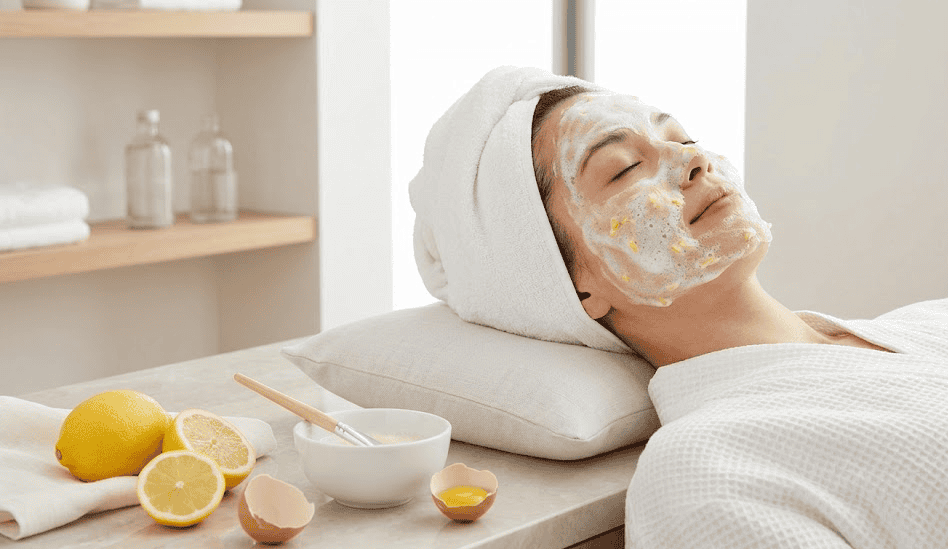
Nadia learned this one from her mother and swears by it before any big event. The egg white contains albumin, a protein that temporarily tightens skin and visually minimizes pores. The effect is not permanent — let’s be honest about that — but it lasts 24–48 hours and the skin looks noticeably smoother.
Recipe:
- 1 egg white, whisked until slightly frothy
- ½ teaspoon fresh lemon juice
How to use it: Apply in a thin layer, let it dry for 12–15 minutes, rinse with lukewarm water.
Best for: Oily, large-pore skin | Before events | Ages 18–35 Cost: Under $0.50
Honest note: Don’t use this mask near your mouth, and wash hands thoroughly after. Raw egg carries a salmonella risk if ingested. Also — if you’re using this before an event, test it the day before, not on the day itself.
Best Face Masks for Dry Skin
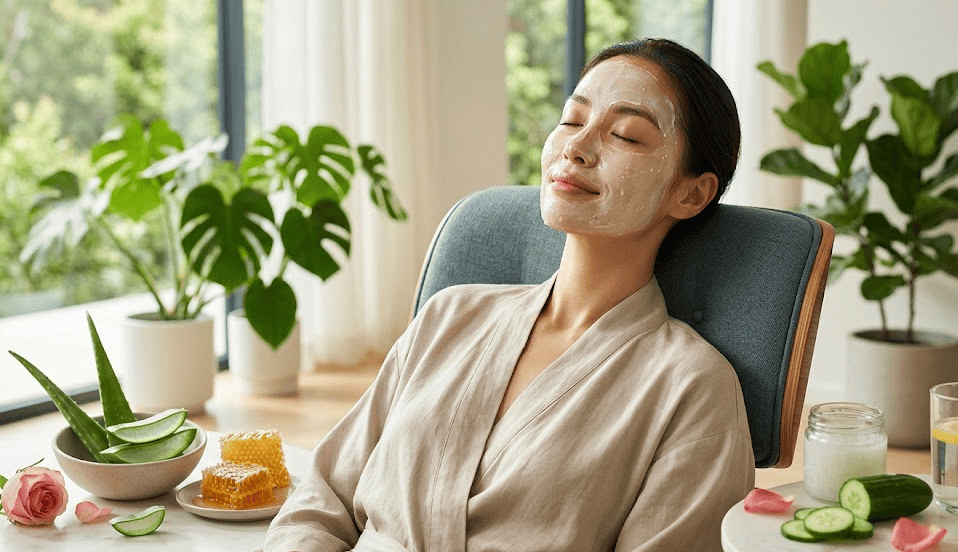
Is a Honey and Oat Mask Really Worth Making at Home?
Yes — and I say that as someone who spent years buying expensive “deeply hydrating” masks when the best hydration mask I’ve ever used cost me less than $2 to make.
Raw honey is a humectant, meaning it pulls moisture into the skin rather than just sitting on top of it. A 2020 study published in the Journal of Clinical and Aesthetic Dermatology confirmed that colloidal oatmeal significantly reduced skin irritation and improved hydration in women with dry, sensitive skin. Together, honey and oatmeal create a genuinely effective moisture-binding mask.
Recipe:
- 2 tablespoons raw honey (raw is important — processed honey has fewer active enzymes)
- 1 tablespoon finely ground rolled oats (blend them in a blender for 10 seconds)
- 1 teaspoon olive oil
How to use it: Mix into a thick paste. Apply generously to dry, clean skin. Leave on for 15–20 minutes. Rinse with warm water using gentle circular motions — the oats provide light exfoliation as you rinse.
What to expect: Skin feels noticeably softer immediately. With twice-weekly use, dryness and flakiness reduces significantly within 1 week.
Best for: Dry, flaky, winter-damaged skin | Ages 25+ | Cold climates Cost: Under $2
💡 Pro Tip: If your skin is very dry, apply this mask to slightly damp skin — moisture attracts moisture. The honey pulls that water into your skin cells as it sits.
Avocado + Olive Oil Mask for Very Dry or Mature Skin
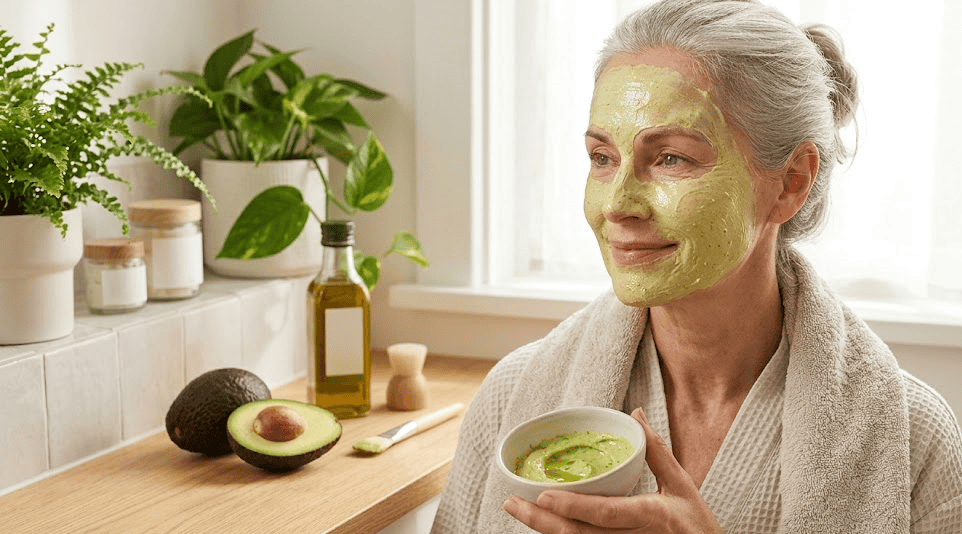
If your skin is seriously dry — tight even after moisturizer, visibly flaky, or showing signs of aging — this is the mask you need. Avocado contains vitamins E, K, and B6, along with healthy fats that deeply nourish the skin barrier. I tried this during a particularly brutal winter and by the second week, I stopped reaching for the expensive barrier cream I’d been relying on.
Recipe:
- ¼ ripe avocado, mashed smooth
- 1 teaspoon olive oil
- 1 teaspoon raw honey
How to use it: Mix until smooth. Apply a generous layer to clean skin. Leave on 15–20 minutes. Rinse with warm water.
What to expect: Deep, immediate hydration. After 1 week of twice-weekly use, skin barrier visibly improves — less tightness, less flaking.
Best for: Very dry, flaky, mature skin | Post-winter recovery | Ages 35+ Cost: $1–2
Banana + Honey Mask for Dull, Dry Skin
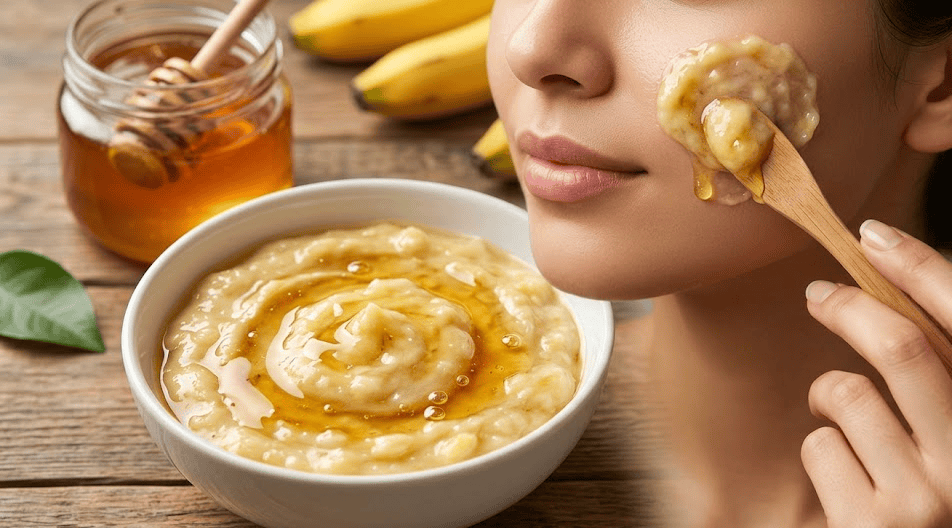
This one sounds too simple — and that’s exactly why it works. Overripe banana contains natural sugars, vitamins B6 and C, and potassium that plump skin cells from within. Nadia’s mother used to make this every Friday night — “the Friday mask,” Nadia calls it. Her mother had remarkable skin well into her sixties.
Recipe:
- ½ overripe banana (the browner the peel, the better — more active enzymes)
- 1 tablespoon raw honey
- 1 teaspoon plain yogurt
How to use it: Mash together until no lumps remain. Apply to clean face, leave 15 minutes, rinse with warm water.
Best for: Dry, tired, mature skin | Ages 30+ | Anyone whose skin looks dull and needs immediate brightening Cost: Under $1
Best Face Masks for Sensitive Skin
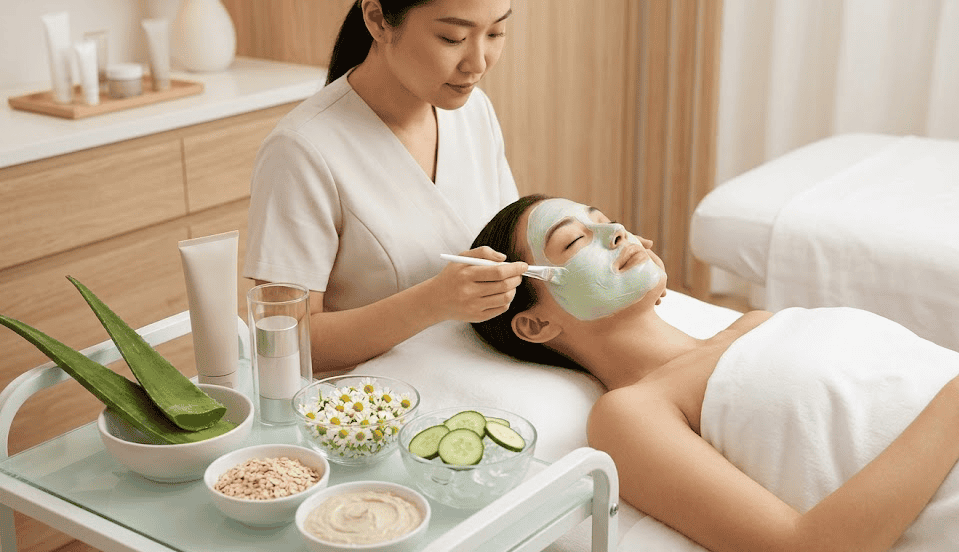
What Ingredients Should Sensitive Skin Actually Avoid in Face Masks?
If you have sensitive skin, pay attention to this part. The ingredient list to avoid is longer than what to use: lemon juice, essential oils (including tea tree undiluted), cinnamon, baking soda, harsh physical scrubs, and anything with artificial fragrance. All of these are common in DIY face mask recipes floating around social media, and all of them can trigger inflammation, redness, or a full-on reaction in sensitive skin.
What sensitive skin actually needs: soothing, anti-inflammatory ingredients that calm the skin barrier rather than challenge it.
Aloe Vera + Cucumber Mask for Sensitive / Reactive Skin
This is the most gentle, universally soothing mask I know. Aloe vera reduces inflammation almost immediately — you can feel the cooling sensation within seconds of application. Cucumber contains antioxidants and flavonoids with a mild vasoconstrictive effect that reduces redness.
Recipe:
- 2 tablespoons fresh aloe vera gel (from the plant if possible — bottled versions often contain alcohol)
- ½ cucumber, blended smooth
- 1 teaspoon rose water
How to use it: Mix well. Apply to clean skin. Leave on 15 minutes. Rinse with cool water.
What to expect: Immediate redness reduction. Skin feels calmer within 24–48 hours. Excellent after sun exposure or after trying a new product that irritated your skin.
Best for: Sensitive, rosacea-prone, sunburned skin | All ages Cost: Under $2 (nearly free if you have an aloe plant)
💡 Pro Tip: Keep this mask refrigerated for 30 minutes before use. The cold temperature enhances the anti-inflammatory effect and feels incredible on reactive, irritated skin.
Sandalwood + Rose Water Mask for Sensitive Dry Skin
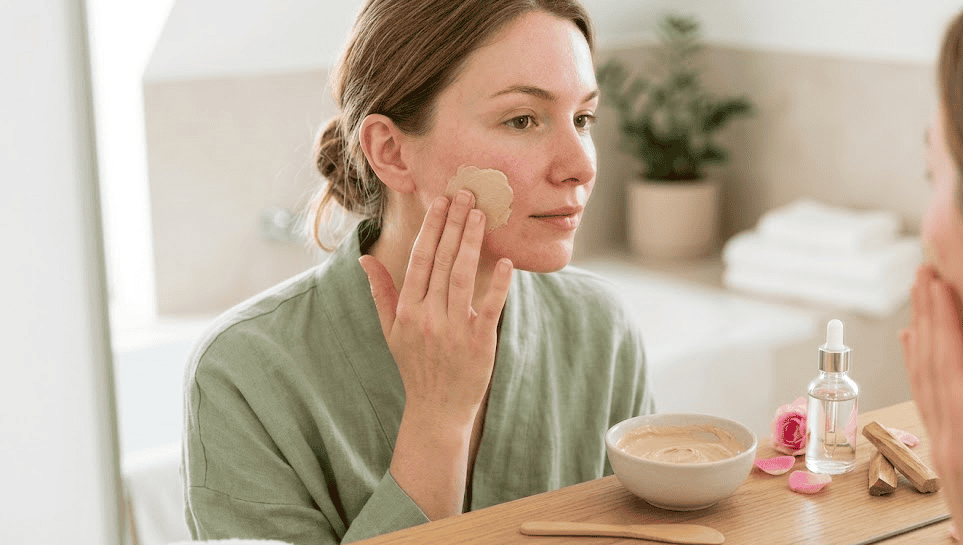
Sandalwood has been used in South Asian skincare for centuries — and before you dismiss that as “just tradition,” there’s actual research supporting it. Sandalwood powder contains alpha-santalol, a compound with proven anti-inflammatory properties. Combined with rose water, this is one of the most calming masks I’ve ever used.
Recipe:
- 2 tablespoons pure sandalwood powder
- Enough rose water to form a smooth paste (approximately 3–4 teaspoons)
How to use it: Apply evenly, leave on 15 minutes, rinse with cool water.
What to expect: Immediate cooling sensation. Redness noticeably reduced after 2–3 uses. Skin smells beautiful for hours.
Best for: Sensitive, sun-damaged, dry skin | All ages | Hot climates Cost: $2–3
Best Face Masks for Glowing Skin
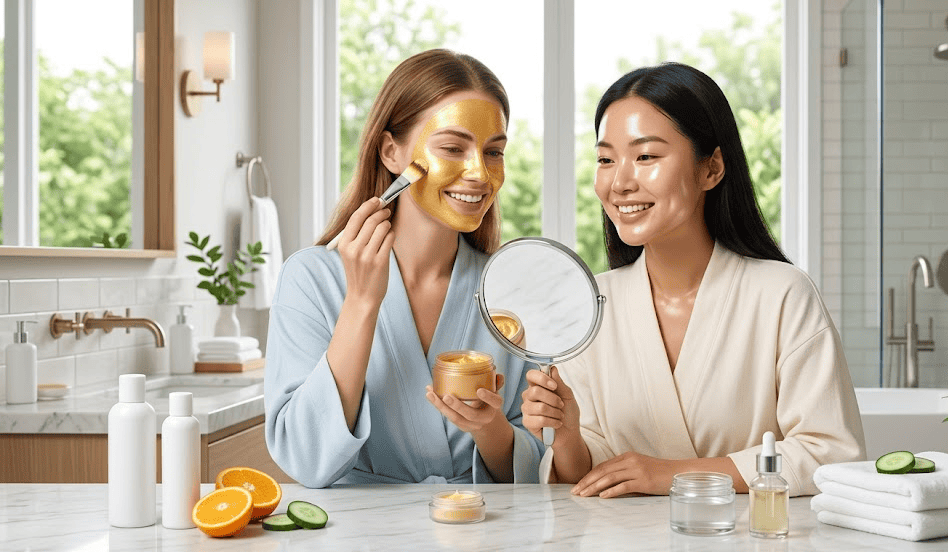
The Besan + Turmeric + Yogurt Mask — Why Nadia Has Never Bought a Brightening Product in Her Life
I asked Nadia once what brightening serum she uses. She looked at me like I’d asked something absurd. “Beta, why would I pay fifty dollars for something when besan and turmeric costs thirty rupees?”
This is the mask her mother made, her grandmother made, and that women across South Asia have been using for generations — for very good reason. Besan (gram flour) exfoliates dead skin cells gently. Turmeric contains curcumin, which inhibits the enzyme responsible for melanin production — meaning it genuinely fades dark spots and uneven tone with consistent use. Yogurt’s lactic acid is an alpha-hydroxy acid that chemically resurfaces skin.
Three ingredients, under $1, and honestly more effective than most brightening masks I’ve paid $15–30 for.
Recipe:
- 2 tablespoons besan (gram flour)
- ¼ teaspoon turmeric (don’t be tempted to add more — a little goes a long way)
- 1 tablespoon plain yogurt
- Optional: a few drops of rose water if the mixture is too thick
How to use it: Mix into a smooth paste. Apply to clean skin, avoiding the eye area. Leave on 15 minutes. Rinse with warm water using gentle circular motions.
What to expect: Immediate glow after first use — skin looks brighter and more even. With 3x/week use, dark spots and uneven tone visibly improve within 3–4 weeks.
Best for: Dull skin, uneven tone, post-acne marks, all skin types | Ages 16–45 Cost: Under $1
Honest note: Turmeric will stain — your washcloth, your sink, and temporarily your skin if left on too long. Rinse thoroughly. A quick wipe with micellar water removes any yellow tint. Always do a patch test first.
Papaya + Honey Enzyme Mask for Uneven Skin Tone
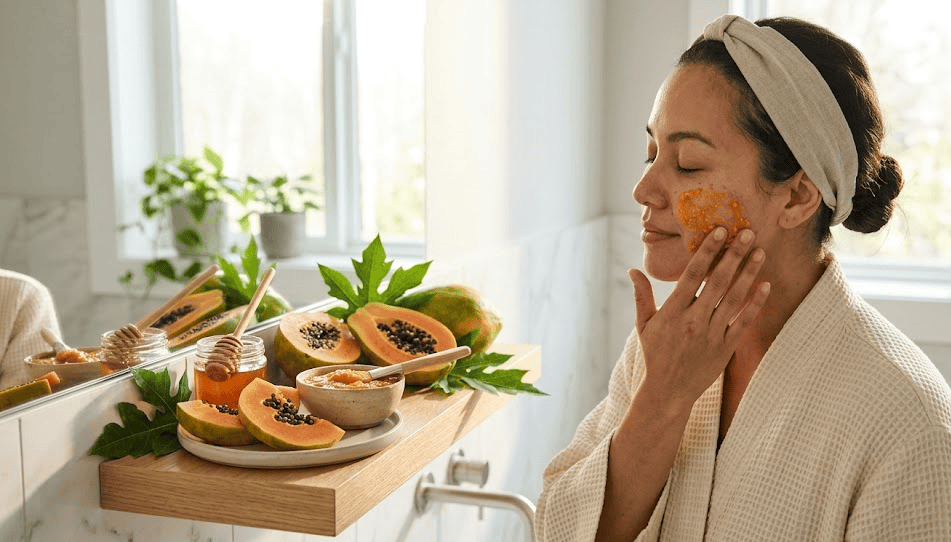
Papaya contains papain, a natural enzyme that dissolves dead skin cells through chemical action — no scrubbing needed. This is essentially a gentle enzyme peel from your kitchen. I learned this the hard way when I spent $50 on an enzyme peel at a spa, then came home and Nadia showed me her papaya mask that did the same thing.
Recipe:
- 2 tablespoons ripe papaya, mashed smooth (the riper, the better)
- 1 teaspoon raw honey
How to use it: Apply to clean skin, leave on 15 minutes, rinse with warm water.
What to expect: Visible radiance after 2–3 uses. Dark spot improvement and more even skin tone within 3–4 weeks of twice-weekly use.
Best for: Dull, uneven skin, mild hyperpigmentation | Ages 20–45 | Especially effective on brown and South Asian skin tones Cost: Under $1
Rice Flour + Milk Brightening Mask
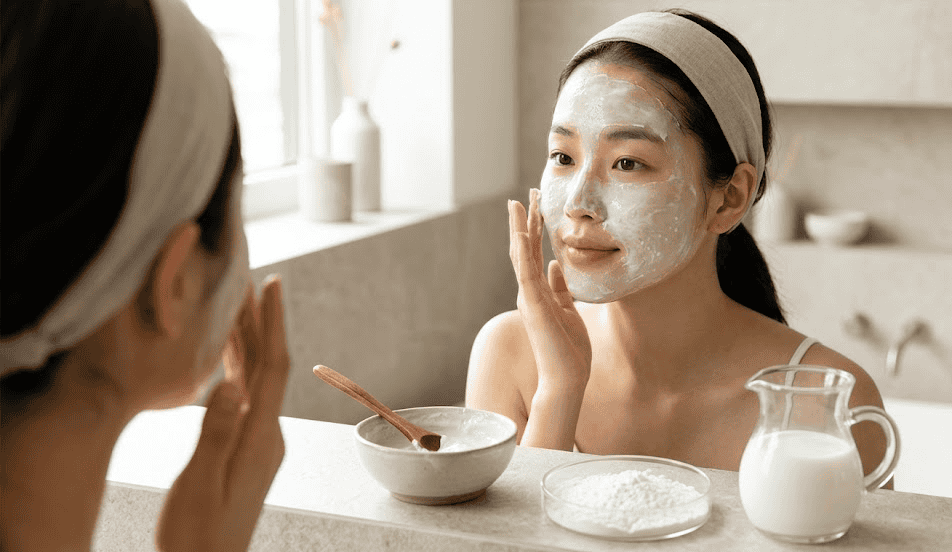
This is the most budget-friendly brightening mask on this list — and arguably the most effective for South Asian and brown skin tones. Rice flour gently exfoliates; milk’s lactic acid chemically brightens. Women across Japan, Korea, and South Asia have been using rice water and rice flour on their skin for centuries. There’s a reason.
Recipe:
- 2 tablespoons rice flour
- 3 tablespoons whole milk (or oat milk for sensitive/lactose-intolerant skin)
How to use it: Mix into a smooth paste. Apply to face and neck. Leave on 15 minutes. Rinse with lukewarm water.
Best for: All skin types | Especially effective for South Asian, brown, and olive skin tones | Ages 18–50 Cost: Under $1
Best Face Mask for Combination Skin: The Multi-Masking Method
If you have combination skin — oily T-zone, dry or normal cheeks — stop using one mask on your entire face. Multi-masking takes the same 15 minutes and actually works.
Here’s the method:
- T-zone (forehead, nose, chin): Multani Mitti or kaolin clay mask
- Cheeks and under-eye area: Honey + oat mask or banana + honey mask
- Lips and immediate eye area: Nothing — leave these alone
Apply both at the same time, leave on 12–15 minutes, rinse together.
Done right, this is the single most effective thing I’ve found for combination skin. Done wrong — meaning one mask across the whole face — you’ll get either an over-dried T-zone or an overly oily cheek area.
Common Mistakes Most Women Make With Face Masks
Let’s be honest about what goes wrong — because these mistakes are everywhere, including in advice from people who should know better.
Mistake 1: Leaving clay masks on until they crack. Once the mask fully dries and starts cracking, it pulls moisture from your skin, not oil. Remove when still slightly damp.
Mistake 2: Using lemon juice directly on your face without dilution. Lemon juice has a pH of 2 — extremely acidic for skin. Undiluted, it causes photosensitivity and can create dark spots, not remove them. Always dilute and always apply at night.
Mistake 3: Using baking soda as a face mask. It went viral on social media years ago. Baking soda has a pH of 9 — completely wrong for skin (which sits at 4.5–5.5). Regular use disrupts your moisture barrier and causes chronic sensitivity.
Mistake 4: Using coconut oil on acne-prone skin. Coconut oil is highly comedogenic — it clogs pores. No matter how many wellness blogs recommend it for “all skin types,” if you break out regularly, keep coconut oil away from your face.
Mistake 5: Masking every single day. Even gentle masks are an intervention. Two to three times a week is the maximum for most masks. Daily masking strips your skin of natural oils and disrupts the microbiome.
The biggest mistake of all: Using the same mask across the entire face when you have combination skin. Most women do this. Almost no one talks about it.
When to See a Doctor
Home face masks are wonderful for maintenance and general skin health, but they have real limits. Please consult your doctor or dermatologist if:
- You have persistent, painful cystic acne that isn’t improving with home care
- Your skin shows signs of rosacea — consistent redness, visible blood vessels, skin thickening
- You experience a reaction to a DIY mask — severe redness, swelling, or itching that doesn’t calm down within 24 hours
- You have a skin condition like eczema or psoriasis — home masks can aggravate these and you need professional guidance
- Dark spots or patches appear suddenly or change in appearance
Consult your doctor before trying any new skincare routine if you are pregnant or breastfeeding, as some ingredients including turmeric in high concentrations and certain essential oils require professional clearance.
Comparison Table: Face Masks by Skin Type
| Mask | Skin Type | Cost | Time to Results | Difficulty | Frequency |
|---|---|---|---|---|---|
| Multani Mitti + Rose Water | Oily | Under $3 | 2–3 weeks | Easy | 2x/week |
| Kaolin Clay + Tea Tree Oil | Acne-Prone | $4–6 | 1–2 weeks | Easy | 2x/week |
| Egg White + Lemon | Oily/Large Pores | Under $0.50 | Immediate (temp) | Easy | 1–2x/week |
| Honey + Oat + Olive Oil | Dry | Under $2 | 1 week | Easy | 2–3x/week |
| Avocado + Olive Oil + Honey | Very Dry/Mature | $1–2 | 1 week | Easy | 2x/week |
| Aloe Vera + Cucumber | Sensitive | Under $2 | Immediate | Easy | 2–3x/week |
| Sandalwood + Rose Water | Sensitive/Dry | $2–3 | 2–3 uses | Easy | 2x/week |
| Besan + Turmeric + Yogurt | All/Glowing | Under $1 | 3–4 weeks | Easy | 3x/week |
| Papaya + Honey | Dull/Uneven | Under $1 | 2–3 weeks | Easy | 2x/week |
| Rice Flour + Milk | All/Brightening | Under $1 | 3–4 weeks | Easy | 2–3x/week |
| Multi-Masking Method | Combination | Varies | 2–3 weeks | Medium | 2x/week |
People Also Ask
❓ What face mask is best for oily skin? → Multani Mitti (Fuller’s Earth) mixed with rose water is one of the most effective oil-absorbing masks available — and costs under $3. Apply twice a week, removing while still slightly damp. Kaolin clay with 2–3 drops of tea tree oil is a gentler alternative for oily skin that also breaks out.
❓ How do I know my skin type before choosing a face mask? → Wash your face, pat dry, and wait 30 minutes without applying anything. If your entire face is shiny — oily. If it feels tight and dull — dry. If your T-zone shines but your cheeks feel normal or tight — combination, which is most women.
❓ Can I use a face mask every day? → Most masks should not be used daily. Clay masks used every day strip natural oils and cause chronic dehydration. Even gentle masks work best 2–3 times per week. The exception is a very lightweight overnight aloe vera sleeping mask, which can be used more frequently.
❓ Why did my face break out after using a face mask? → Breakouts after masking usually happen for one of three reasons: the mask contained comedogenic ingredients like coconut oil; you applied the mask to skin that wasn’t clean; or your skin was purging — bringing existing congestion to the surface, which is temporary and normal with clay masks during the first 1–2 weeks.
❓ Do face masks actually shrink pores permanently? → No. Pore size is largely genetic and cannot be permanently changed by topical products. What masks can do is temporarily tighten pores, reduce congestion, and keep them cleaner — which makes them appear smaller. Consistent use of clay masks maintains this effect.
FAQ
Q: How often should I use a face mask — is once a week enough? Once a week is a good starting point but not necessarily optimal. Clay masks for oily skin work best twice a week. Hydrating masks for dry skin can be used 2–3 times a week. Enzyme or brightening masks are effective at twice weekly. Start with once a week if you’re new to masking and increase from there based on how your skin responds.
Q: Can I use the same face mask on my whole face if I have combination skin? Technically yes, but it won’t work as well. Combination skin has different needs in different zones — your oily T-zone needs a clay mask, your dry cheeks need a hydrating one. Multi-masking (applying different masks to different zones simultaneously) takes the same 15 minutes and delivers dramatically better results.
Q: How long should I leave a face mask on? Most masks: 10–15 minutes. Clay masks specifically should come off at 10–12 minutes — before they fully dry and crack. Sheet masks: 15–20 minutes maximum (leaving them on longer actually draws moisture back out of your skin as the sheet dries). Overnight sleeping masks: applied before bed, rinsed in the morning.
Q: What ingredients should I avoid in face masks if I have sensitive skin? Avoid: lemon juice, undiluted essential oils, cinnamon, baking soda, physical scrub particles, synthetic fragrance, and alcohol. Sensitive skin needs: aloe vera, cucumber, oatmeal, rose water, sandalwood, and very gentle humectants like honey in small amounts.
Q: Can I use a face mask if I have active acne or pimples? Yes, with the right mask. Kaolin clay with tea tree oil can help reduce active breakouts. Avoid physical scrub masks on active acne — the friction spreads bacteria. Also avoid rich, oil-heavy masks like avocado or coconut oil on areas with active pimples. Spot-treat with tea tree oil and use a gentle hydrating mask on the rest of your face.
Q: Is it safe to use turmeric on the face? Will it stain my skin? Turmeric is safe and genuinely effective for brightening and reducing inflammation. The staining concern is real but manageable — use no more than ¼ teaspoon per mask, rinse thoroughly with warm water, and finish with a quick wipe of micellar water on any yellow-tinted areas. Always do a patch test first, especially if you have sensitive skin.
Q: Why does my skin feel dry and tight after a clay mask? Either you left the mask on too long (it dried completely and started pulling moisture from your skin) or you skipped moisturizer after rinsing. Always follow a clay mask with a light moisturizer while your skin is still slightly damp. This seals in hydration that the mask opened your pores to receive.
Q: What is the difference between a clay mask and a sheet mask? Clay masks (Multani Mitti, kaolin) actively draw out impurities and excess oil — they’re treatment masks. Sheet masks are hydration delivery systems — they flood skin with serum ingredients for a temporary plumping effect. Clay masks are for maintenance and oil/pore control; sheet masks are for a quick hydration boost. They serve different purposes and can both have a place in your routine.
Q: Can a face mask remove dark spots? Masks alone won’t remove dark spots but can significantly fade them over time. Turmeric, papaya enzyme, yogurt lactic acid, and rice flour all have evidence-backed brightening properties. Consistent twice-weekly use of the Besan + Turmeric + Yogurt mask, for example, can visibly reduce post-acne marks and uneven tone within 3–5 weeks. For deeper hyperpigmentation, consult a dermatologist.
Q: What is the best homemade face mask for glowing skin? The Besan + Turmeric + Yogurt mask is the most consistently effective brightening mask you can make at home. It exfoliates, brightens, and reduces inflammation — three actions that together produce visible glow. The Rice Flour + Milk mask is a close second and gentler for those new to brightening masks.
Q: Are sheet masks worth buying or just marketing? Sheet masks are fine for a temporary hydration boost — not a skincare revolution. They’re nice before events, on long flights, or as a self-care treat. They won’t treat acne, reduce dark spots, or change your skin long-term. If you expect transformative results from a sheet mask, you’ll be disappointed. If you expect 24–48 hours of better hydration and a nice moment of self-care, they deliver.
Q: My skin is both oily and dry — what type of mask should I use? You have combination skin — which is the most common skin type. Don’t use one mask across your entire face. Apply a clay mask (Multani Mitti or kaolin) to your T-zone — forehead, nose, and chin. Apply a hydrating mask (honey + oat or banana + honey) to your cheeks and dry areas. Apply both simultaneously, leave on 12–15 minutes, rinse together. This is the most effective approach for combination skin.
Closing
You don’t need a dermatologist’s budget or a complicated 12-step routine to have genuinely healthy, glowing skin. Most of the best face masks I’ve ever used cost under $2 and came from my kitchen — because Nadia showed me what her mother had known for decades.
The difference between skin that thrives and skin that struggles is almost never about price. It’s about understanding what your skin actually needs — then giving it exactly that, consistently.
Start with one mask. Find your skin type. Try the recipe that matches it, twice a week, for three weeks. That’s it. Small consistent habits really do beat dramatic treatments — every single time.
And the next time someone tries to sell you a $40 clay mask? Remember that Multani Mitti exists, costs $3, and has been working since long before skincare became an industry.
Leave a Comment
Share your thoughts or questions about this article!