
Niacinamide Serum Benefits are one of the most talked-about topics in modern skincare, and for good reason. This powerful form of vitamin B3 can help reduce acne, minimize enlarged pores, improve skin texture, control excess oil, and brighten dull skin. Whether you are dealing with blemishes, uneven skin tone, or signs of aging, niacinamide serum can be a valuable addition to your daily skincare routine. In this guide, you’ll discover the top niacinamide serum benefits, how to use it correctly, and tips for achieving clear, healthy, and glowing skin.
If you’ve spent any time scrolling skincare content lately, you’ve seen niacinamide everywhere — on serum bottles, moisturizer labels, and in just about every dermatologist’s “ingredients that actually work” list. And the hype is earned. Niacinamide is one of the few skincare ingredients that’s gentle enough for almost everyone yet powerful enough to tackle oily skin, large-looking pores, dark spots, redness, and dullness all at once.
But here’s the catch: a lot of people buy a niacinamide serum, slap it on, and never see results — usually because they’re using the wrong concentration, layering it incorrectly, or expecting overnight magic. This complete guide breaks down exactly what niacinamide does for your skin, how to use it the right way, what percentage to look for, which ingredients to pair it with (and the one pairing myth you can finally stop worrying about), how to choose the right serum, the mistakes to avoid, and how long it really takes to work.
What Is Niacinamide?
Niacinamide is a form of vitamin B3 (also called nicotinamide). It’s a water-soluble vitamin your skin loves because it works with your skin rather than stripping or irritating it. Unlike trendy ingredients that come and go, niacinamide has years of solid research behind it and shows up in everything from affordable drugstore moisturizers to high-end serums.
So what makes it special? Niacinamide is what’s known as a “multitasker.” Most active ingredients do one job — vitamin C brightens, hyaluronic acid hydrates, salicylic acid clears pores. Niacinamide does a little of everything: it reinforces your skin barrier, balances oil, fades discoloration, and calms inflammation, all at the same time. That’s why it’s become a staple in so many routines. It plays well with other ingredients, rarely causes problems, suits nearly every skin type, and delivers visible results when you stick with it consistently.
What Does Niacinamide Do for Your Skin?
Niacinamide tackles several of the most common skin concerns at once. Here’s a closer look at each benefit and how it actually works.
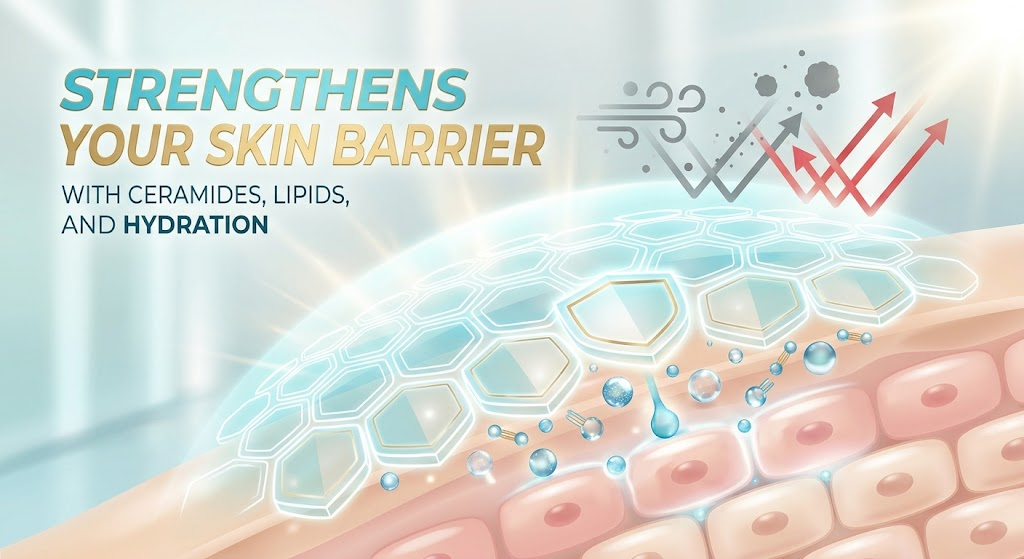
1. Strengthens Your Skin Barrier
Your skin barrier is the outermost layer that keeps moisture in and irritants, bacteria, and pollution out. When it’s damaged — from over-exfoliating, harsh products, or weather extremes — your skin becomes dry, sensitive, red, and reactive. Niacinamide helps your skin produce more ceramides, the natural fats that hold your barrier together and keep it strong. A healthier barrier means skin that’s better at holding onto hydration, more resilient against irritation, and less likely to react to the products and environmental stressors it faces every day. For anyone with sensitive or easily irritated skin, this barrier support is one of niacinamide’s most valuable benefits.
2. Controls Oil and Minimizes the Look of Pores
If your face gets shiny and greasy by midday, niacinamide can genuinely help. It works by helping to regulate sebum — your skin’s natural oil — so your skin produces less excess grease over time. This is a big deal for oily and combination skin types. And because clogged, oil-filled pores tend to look larger and more obvious, reducing that buildup helps your pores appear smaller and smoother. No ingredient can physically shrink the size of your pores, but niacinamide is one of the most effective options for minimizing their appearance, refining your skin’s texture, and keeping shine under control throughout the day.

3. Fades Dark Spots and Evens Skin Tone
Niacinamide is a quiet powerhouse when it comes to hyperpigmentation. It works by limiting the transfer of melanin (pigment) to the surface of your skin, which over time helps fade dark spots, post-acne marks, sun spots, and uneven patches. The result is a more even, brighter, and more uniform complexion. What makes niacinamide especially appealing is that it’s far gentler than many other brightening ingredients, so it’s a great choice for people who find vitamin C, retinoids, or exfoliating acids too harsh. With consistent use, it can noticeably even out your skin tone without the sting or sensitivity some stronger actives cause.

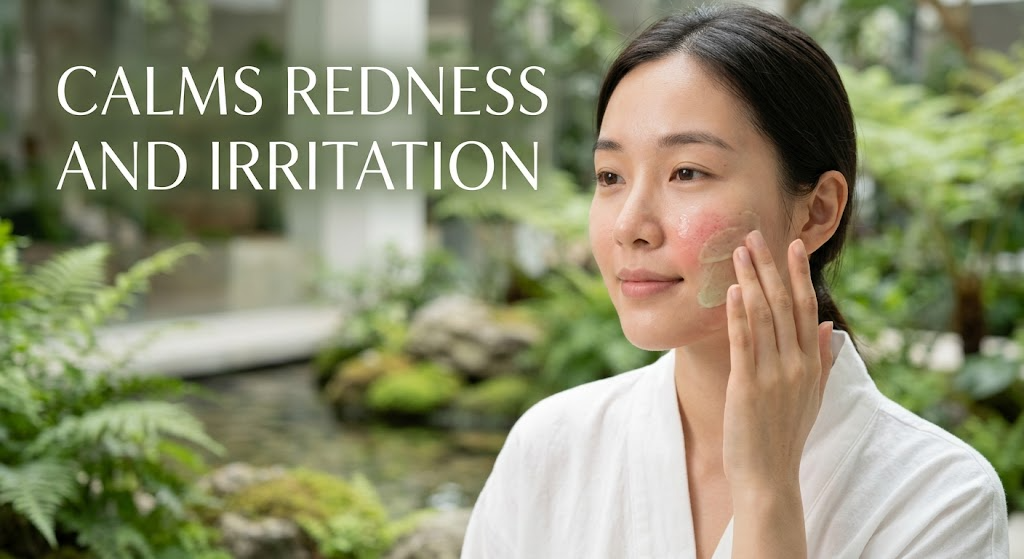
4. Calms Redness and Irritation
Thanks to its anti-inflammatory properties, niacinamide is excellent at soothing redness, blotchiness, and general irritation. It helps calm the skin rather than provoke it, which makes it especially valuable for people with sensitive skin, those prone to rosacea or facial redness, or anyone whose skin flushes easily. Where some active ingredients can leave skin feeling tight, stinging, or inflamed, niacinamide tends to do the opposite — quieting things down and making your complexion look more even and comfortable. If your skin often feels reactive or looks red, niacinamide is one of the gentlest and most reliable ingredients you can add to your routine.
5. Softens Fine Lines and Supports Firmness
Niacinamide supports your skin’s natural production of collagen and keratin — the structural proteins that keep skin looking firm, plump, and smooth. With consistent, long-term use, it can help soften the appearance of fine lines and improve your skin’s overall texture and elasticity. While it won’t replace a dedicated anti-aging powerhouse like retinol, it’s a wonderful, gentle complement to one — and for people who can’t tolerate stronger anti-aging actives, it offers real benefits with far less risk of irritation. Think of niacinamide as a steady, supportive player in keeping your skin looking healthy and resilient as it ages.

6. Boosts Hydration and Locks in Moisture
By strengthening your skin barrier and reducing the amount of water that escapes from the surface (known as transepidermal water loss), niacinamide helps your skin hold onto moisture far more effectively. The result is a complexion that feels plumper, softer, smoother, and more comfortable — not tight, flaky, or dehydrated. This makes it a great ingredient even for normal and dry skin types, not just oily ones. And because well-hydrated skin simply looks healthier and more radiant, this moisture-supporting benefit is a big part of the overall glow that niacinamide is known for.

7. Helps Acne-Prone Skin
Because it controls excess oil and calms inflammation, niacinamide is a smart, gentle pick for breakout-prone skin. It can help reduce the redness and swelling of active blemishes, making them less angry and noticeable, and it supports the fading of the dark marks that breakouts often leave behind. Just as importantly, niacinamide is non-irritating, so it pairs beautifully with stronger acne-fighting ingredients like salicylic acid or retinoids without adding to the dryness, peeling, or sensitivity those treatments can cause. For many people dealing with acne, it’s a helpful supporting ingredient that makes the rest of their routine more tolerable and effective.

How to Use Niacinamide Serum (Step by Step)
Niacinamide is easy to fit into almost any routine. Here’s the simplest way to use it:
- Cleanse your face with a gentle cleanser and pat dry.
- Apply toner if you use one (optional).
- Apply your niacinamide serum — a few drops are plenty. Smooth it over your face and neck while your skin is still slightly damp, which helps it absorb.
- Follow with moisturizer to seal everything in and keep your skin hydrated.
- In the morning, finish with sunscreen (SPF 30 or higher). This is non-negotiable, especially since you’re working on brightening and evening your tone.
You can use niacinamide in the morning, at night, or both. It’s stable and gentle, so twice-daily use is totally fine for most people. A general rule of layering: apply your products from thinnest to thickest texture, and let each layer absorb for a few seconds before applying the next. If you’re brand new to actives, start once a day and build up as your skin gets comfortable.
What Percentage of Niacinamide Should You Use?
More is not always better with niacinamide. Here’s a quick breakdown of common concentrations:
- 2% to 4% – Gentle and great for beginners or sensitive skin. Effective for barrier support and milder concerns.
- 5% – The sweet spot for most people. Strong enough to see real results in oil control, tone, and texture, while staying comfortable.
- 10% – A higher dose for stubborn oiliness or pigmentation. Effective, but some people find it slightly drying or tingly.
- Above 10% – Usually unnecessary and more likely to cause irritation without much added benefit.
If you’re new to niacinamide, start around 5% and see how your skin responds. There’s no need to chase the highest percentage on the shelf — consistency matters far more than concentration, and a comfortable formula you’ll actually use every day beats a strong one that irritates your skin.
What to Pair Niacinamide With (and What to Avoid)
One of niacinamide’s biggest strengths is how well it works alongside other ingredients. Here’s a quick reference:
| Ingredient | Works with niacinamide? | Why |
|---|---|---|
| Hyaluronic acid | Yes — great combo | Adds deep hydration; both are gentle |
| Retinol | Yes — excellent pair | Niacinamide reduces retinol’s dryness and irritation |
| Peptides | Yes | Both support barrier and firmness |
| Sunscreen (SPF) | Yes — essential | Protects results, especially for dark spots |
| Vitamin C | Yes (see below) | Old “incompatibility” idea is largely a myth |
| AHAs / BHAs | Yes, with care | Best used at different times if your skin is sensitive |
Can You Use Niacinamide and Vitamin C Together?
This is one of the most common skincare questions — and the answer is yes. The idea that niacinamide and vitamin C “cancel each other out” comes from very old studies using unstable forms of the ingredients under high heat, conditions that don’t reflect modern skincare. Today’s well-formulated products are designed to work together, and many serums even combine the two in one bottle. If your skin is very sensitive and you notice flushing, you can simply use vitamin C in the morning and niacinamide at night. Otherwise, layering them is perfectly fine and can give you both brightening and barrier benefits.
Niacinamide and Retinol
This is a power couple. Retinol is fantastic for anti-aging and acne but can cause dryness, flaking, and irritation, especially when you’re starting out. Niacinamide helps buffer those side effects by strengthening your barrier and calming inflammation, so the two together are often gentler and more tolerable than retinol alone. Apply your niacinamide first, then your retinol, or simply look for a product that thoughtfully combines both. This pairing is a great way to get the benefits of retinol with less of the downside.
Niacinamide and Exfoliating Acids
Niacinamide can be used with AHAs (like glycolic acid) and BHAs (like salicylic acid), but if your skin is on the sensitive side, it’s smart to space them out — for example, acids one night and niacinamide the next, or acids in the evening and niacinamide in the morning. This keeps your skin balanced and reduces the chance of irritation from layering multiple actives. If your skin is resilient and used to actives, using them in the same routine is usually fine.
How to Choose a Niacinamide Serum
With so many niacinamide products on the market, here’s what to look for when picking one:
- A sensible percentage: Around 5% is the sweet spot for most people — effective without being harsh. Beginners and sensitive skin can start lower.
- A simple, well-formulated product: Look for niacinamide paired with supportive ingredients like hyaluronic acid, zinc, or ceramides, rather than a long list of potential irritants or heavy fragrance.
- Suitable packaging: Opaque or air-tight packaging (like a pump bottle) helps keep the formula stable and effective over time.
- Your skin type and concern: If you’re targeting oil and pores, niacinamide with zinc is a nice match; for hydration, choose one combined with hyaluronic acid.
- A patch test first: No matter how gentle the ingredient, always test a new product on a small area before applying it all over your face.
The good news is you don’t need to spend a fortune. Niacinamide is widely available at every price point, from budget-friendly drugstore serums to luxury formulas — and the affordable options often work just as well.
Are There Any Side Effects?
Niacinamide is considered one of the safest and best-tolerated skincare ingredients out there. Most people use it with zero issues. That said, a few things are worth knowing:
- Very high concentrations can occasionally cause mild flushing, tingling, or redness in sensitive skin.
- As with any new product, there’s always a small chance of irritation or breakouts if your skin doesn’t agree with the full formula (not just the niacinamide itself).
- Always do a patch test on your inner arm or jawline before applying a new product all over your face.
If you notice persistent redness, stinging, or irritation, stop use and give your skin a break. When in doubt, check in with a dermatologist who can help you figure out what’s going on.
Who Should Use Niacinamide?
The short answer: almost everyone. Niacinamide is one of the most universally suitable ingredients in skincare. It’s especially helpful if you have:
- Oily or combination skin that gets shiny and congested
- Enlarged-looking pores you’d like to soften
- Dark spots, acne marks, or uneven tone
- Redness or sensitivity that needs calming
- Dull, tired-looking skin that could use a glow
- A compromised barrier from over-exfoliating or harsh products
It’s also generally considered safe to use during pregnancy — unlike retinoids, which are typically avoided — but it’s always best to run your full routine by your doctor if you’re pregnant or breastfeeding.
How Long Does Niacinamide Take to Work?
Patience is key. Niacinamide isn’t an overnight fix — it’s a slow, steady performer. Here’s a realistic timeline:
- 2 to 4 weeks: Skin often feels more balanced, less oily, and more hydrated.
- 4 to 8 weeks: Texture looks smoother and pores appear less noticeable.
- 8 to 12 weeks: Dark spots and uneven tone gradually fade with consistent daily use.
The biggest mistake people make is giving up after a week. Stick with it for at least two to three months before judging the results — and pair it with daily sunscreen so you don’t undo your progress along the way.
Common Niacinamide Mistakes to Avoid
- Expecting overnight results. Niacinamide is a slow, steady performer — give it at least 8 to 12 weeks before deciding it isn’t working.
- Using too high a concentration. More isn’t better; very high percentages can irritate skin without adding benefit.
- Skipping sunscreen. If you’re working on dark spots and even tone, daily SPF is essential — without it, you’ll undo your progress.
- Adding too many actives at once. Introducing niacinamide alongside several strong ingredients can overwhelm your skin. Add one new product at a time.
- Giving up too soon. Many people quit after a week or two, right before they’d start seeing real change. Consistency is everything.
A Simple Niacinamide Routine to Try
Not sure how to put it all together? Here’s an easy, beginner-friendly routine:
Morning: Gentle cleanser → niacinamide serum → lightweight moisturizer → sunscreen (SPF 30+).
Night: Gentle cleanser → niacinamide serum → moisturizer. (If you use retinol, apply it after niacinamide a few nights a week.)
Keep it simple and consistent. You don’t need ten products — you need the right few, used regularly.
Frequently Asked Questions
Can I use niacinamide every day?
Yes. Niacinamide is gentle enough for daily use, and most people use it once or twice a day. Consistent daily use is exactly what delivers the best results over time.
Should I use niacinamide in the morning or at night?
Either works — and both is even better. In the morning it pairs well under sunscreen; at night it supports your skin’s overnight repair. There’s no wrong time to apply it.
What’s the difference between niacinamide and hyaluronic acid?
Niacinamide is a vitamin that treats oil, tone, pores, and barrier health. Hyaluronic acid is a hydrator that pulls water into the skin to plump it. They do different jobs and actually work great together in the same routine.
Can niacinamide cause breakouts or purging?
Niacinamide itself doesn’t typically cause purging the way exfoliating acids or retinoids can. If you break out after starting a new niacinamide product, it’s usually another ingredient in the formula or simply a product that doesn’t suit your skin. Patch testing helps you avoid this.
Is niacinamide good for sensitive skin?
Yes — it’s one of the best choices for sensitive skin because it calms redness and strengthens the barrier. Just start with a lower percentage (around 5%) and patch test first.
Is niacinamide safe to use during pregnancy?
Niacinamide is generally considered pregnancy-safe and is often recommended as a gentle alternative to ingredients that are off-limits during pregnancy. Still, always confirm your full routine with your doctor.
This article is for general informational and educational purposes only and isn’t a substitute for professional medical or dermatological advice. Everyone’s skin is different — patch test new products, and consult a dermatologist for persistent or serious skin concerns.



Leave a Comment
Share your thoughts or questions about this article!