
How to Prevent Hair Breakage and Split Ends – Quick Answer: To prevent hair breakage and split ends, deep condition weekly with coconut or argan oil, switch to a wide-tooth comb on wet hair, use heat protectant every time you style, sleep on a silk pillowcase, trim every 6-8 weeks, and replace rubber elastics with silk scrunchies. Most women see noticeable improvement within 2-4 weeks of making these changes consistently.
How to Prevent Hair Breakage and Split Ends: 10 Tips That Actually Work
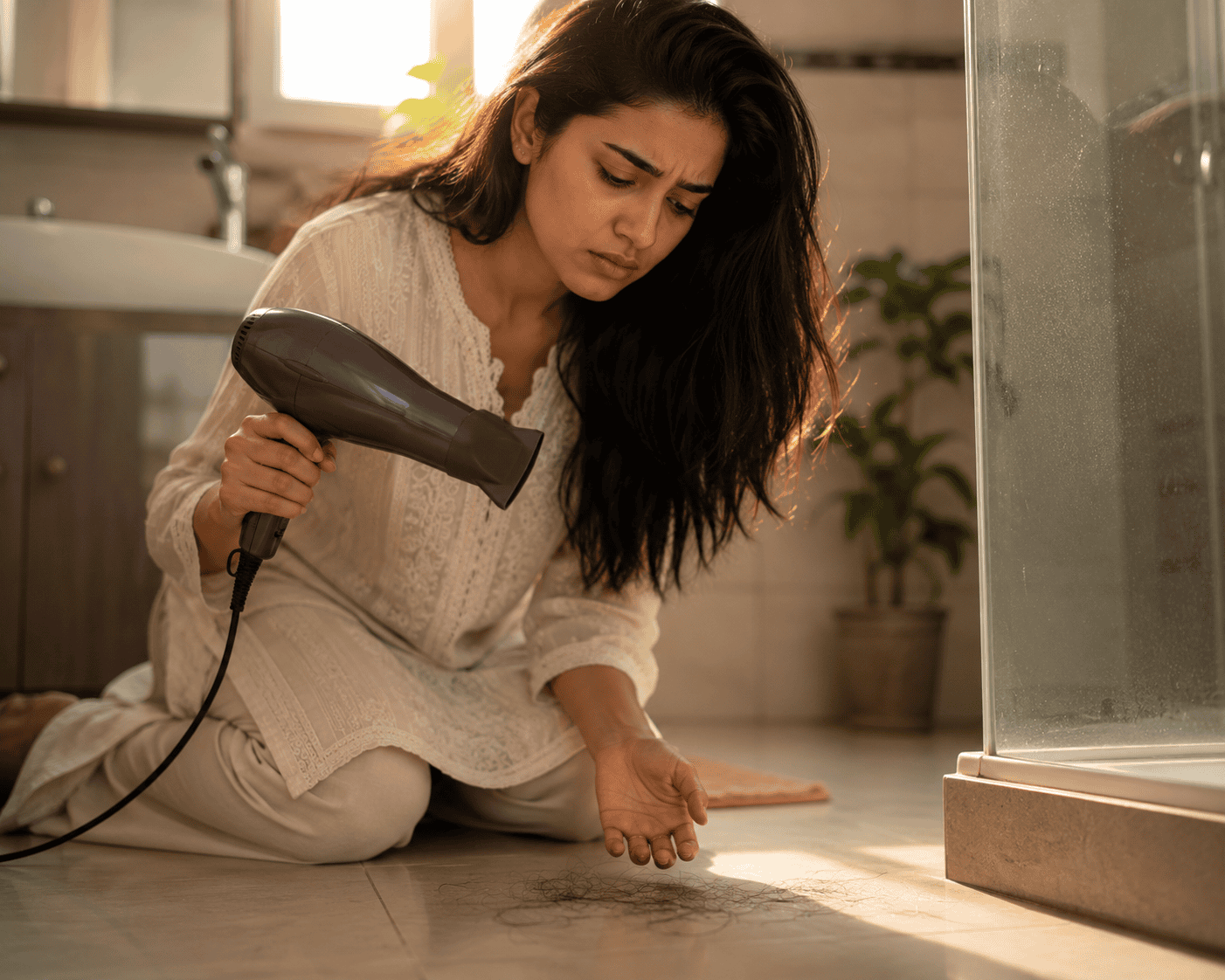
There’s a specific kind of panic that comes with noticing short hair fragments scattered across your bathroom floor. Not the normal post-shower clumps — tiny, rootless pieces. Everywhere. The first time I noticed mine, I was blow-drying one morning and watched a small fistful of short strands fly into the air. No white bulb at the root. Just snapped pieces of hair shaft, and my heart sank.
I immediately convinced myself I was losing all my hair. But after some frantic research — and a long conversation with my friend Nadia, who genuinely knows more about hair than most stylists I’ve visited — I learned it wasn’t hair loss at all. It was breakage. Two entirely different things. And once I understood the difference, fixing it turned out to be surprisingly straightforward.
Hair breakage happens when your strands become too weak, too dry, or too damaged to handle everyday stress — brushing, heat, sleeping on the wrong pillowcase. Split ends are part of the same story: when the outer cuticle layer wears away, the inner shaft literally splits into branches and keeps traveling further up the strand if you leave it alone. Together, they create that dull, frizzy, perpetually “not quite growing” look that no amount of serum seems to fix.
I’ve tested remedies, changed habits, done the egg-in-my-hair mistake (we’ll get to that), and had many conversations with Nadia about what her grandmother actually did to grow waist-length hair. Here’s what genuinely works, what’s overhyped, and exactly how to stop the breakage.
What Hair Breakage Actually Is (And What Most People Get Wrong)
Hair breakage happens when the shaft snaps due to weakness, dryness, or mechanical stress. Split ends occur when the outer cuticle erodes and the strand begins to fray at the tip — then travels upward if untreated. They’re related problems with overlapping solutions.
What it IS:
- A structural issue — your hair strand is physically snapping mid-shaft
- Caused by: heat damage, chemical processing, friction, moisture deficiency, protein imbalance, tight hairstyles
- A sign that something in your routine needs to change
What it ISN’T:
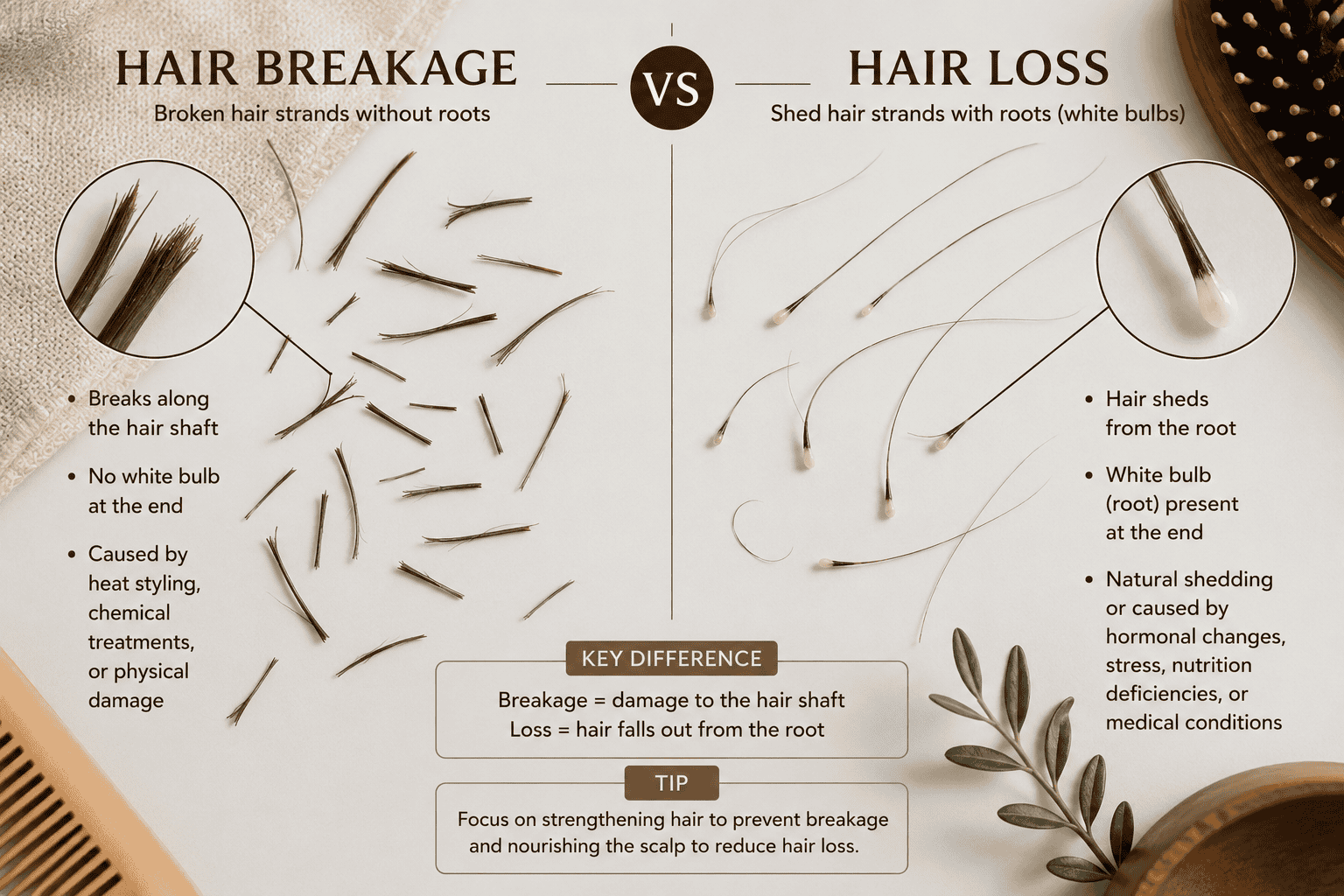
- The same as hair loss (broken hair has no bulb; shed hair does — 50-100 strands of shed hair per day is normal)
- Fixed by any serum that claims to “repair” split ends — these products temporarily smooth the surface, but they cannot rebond the split. The only real fix is trimming.
- Always a medical issue — though sometimes it is
The trick most women miss: breakage prevention requires addressing both moisture (is your hair dry and brittle?) and mechanical damage (are you handling it too roughly?). Most women focus on one while ignoring the other — and wonder why nothing sticks.
Also Read: How to Get Long and Thick Hair Fast — 12 Tips That Actually Work (2026)
Does Deep Conditioning Really Prevent Hair Breakage?
Yes — consistently. Dry hair is brittle hair, and brittle hair breaks. Deep conditioning once a week is the foundation that everything else builds on.
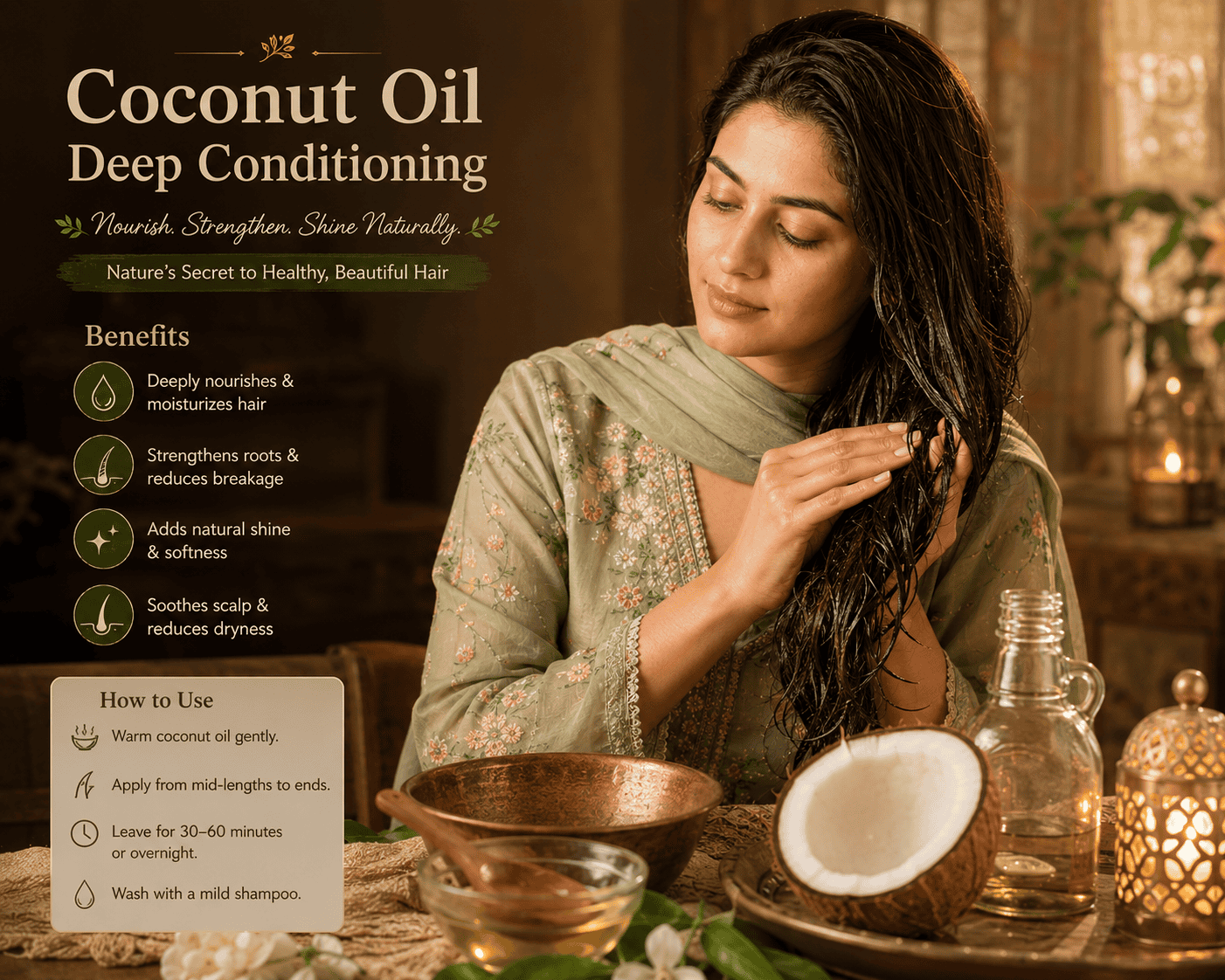
The most effective budget option I’ve found is coconut oil. Warm 2 tablespoons between your palms until it melts into a golden liquid — it has a slightly sweet, nutty smell that I actually find calming — then work it from mid-shaft to ends. Cover with a shower cap, leave for 30 minutes, then wash out. I did this every Sunday for three weeks and my ends stopped feeling like straw.
Argan oil is a lighter alternative with a barely-there toasty scent: 2-3 drops on damp ends seals the cuticle without heaviness.
How to use: Once a week before wash day. Very dry or damaged hair: twice weekly for the first month.
What to expect: Softer, more elastic strands within 2-4 weeks. New split ends form much more slowly.
Best for: Dry, color-treated, heat-damaged hair | Ages 20-45 | Mild to severe dryness
Cost: $5-15 (a jar of coconut oil lasts months)
Honest note: Done right, this is a 30-minute pre-wash ritual that costs pennies. Done wrong, you’re sleeping in coconut oil every night and wondering why your hair looks like a grease rope. Keep it to a pre-wash treatment.
💡 Pro Tip: Fine hair can find coconut oil too heavy and it may cause buildup. Try jojoba or grapeseed oil instead — all the moisture, none of the weight.
Should You Brush Wet Hair? (Most Women Are Doing This Wrong)
No — and this is the single biggest cause of hair breakage for most women I know, including me for an embarrassingly long time. Wet hair is up to 30% weaker than dry hair. The internal protein bonds that give each strand its structure temporarily break apart when saturated, making the hair stretchy and shockingly vulnerable to snapping.
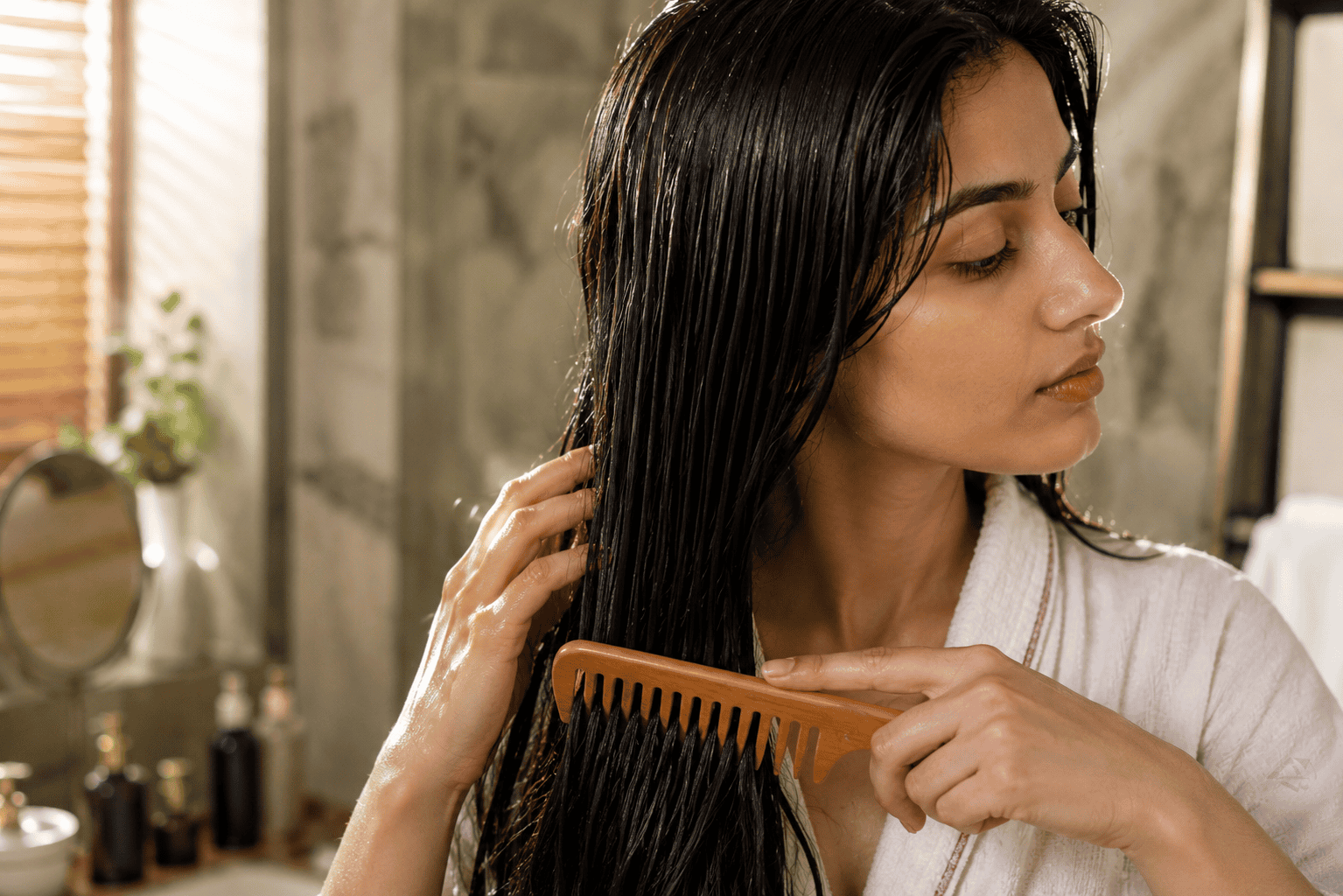
Using a regular paddle brush on soaking wet hair creates massive force and friction. I switched to a wide-tooth comb and noticed the difference almost immediately — fewer broken pieces on my bathroom floor after every wash.
How to use: Apply a leave-in conditioner first. Start combing from the ends, work upward toward the roots — never root-to-tip. Go slowly.
What to expect: Immediate reduction in breakage during detangling.
Best for: All hair types. Non-negotiable for curly, coily, and thick hair.
Cost: $5-8 for a quality wide-tooth comb
💡 Pro Tip: If you hit a knot, hold the hair above it with your other hand before combing through. This distributes the force instead of yanking from the root.
How a Silk Pillowcase Prevents Split Ends (And Why It Works Better Than Most Products)
Nadia was the one who told me about this, and I honestly didn’t believe a pillowcase could make that much difference — until about a week after I made the switch. Cotton pillowcases have a rough surface that creates friction against your hair all night. You move dozens of times in your sleep, and each movement creates tiny amounts of cuticle damage that add up over months. Research published in the Journal of Cosmetic Science (2021) found that silk reduces hair surface friction by up to 43% compared to cotton.
Nadia’s grandmother oiled her hair every Sunday and slept on a silk pillowcase for decades. She grew it to waist length. Nadia started doing the same after her wedding and hasn’t dealt with chronic breakage since.
How to use: Swap the pillowcase. Alternatively, wrap hair loosely in a silk scarf before bed.
What to expect: Less frizz and fewer morning tangles within days. Reduced breakage over 2-4 weeks. Hair glides rather than drags — you feel the difference the first morning.
Best for: All hair types, especially color-treated, fine, or long hair
Cost: $15-30 for a quality silk or satin pillowcase

Heat Styling and Hair Breakage: What the Research Actually Says
I used to skip heat protectant “just this once” at least three times a week. The research stopped that habit fast. A 2020 study published in the International Journal of Trichology found that heat styling above 175°C (347°F) can cause measurable structural damage to the hair cortex after just a single use without heat protection. The damage is cumulative — invisible at first, catastrophic over months.
How to use: Spray or apply heat protectant to damp or dry hair before any heat tool. No exceptions — not even for a “quick” blowout.
What to expect: This is purely preventative. Existing damage won’t reverse, but you stop creating new damage immediately.
Best for: Anyone who blow-dries, straightens, or curls regularly
Cost: $10-20
Honest note: You almost never need the highest heat setting. Drop your tools to 300°F/150°C and test the results — for most women, they’re nearly identical, with a fraction of the damage.

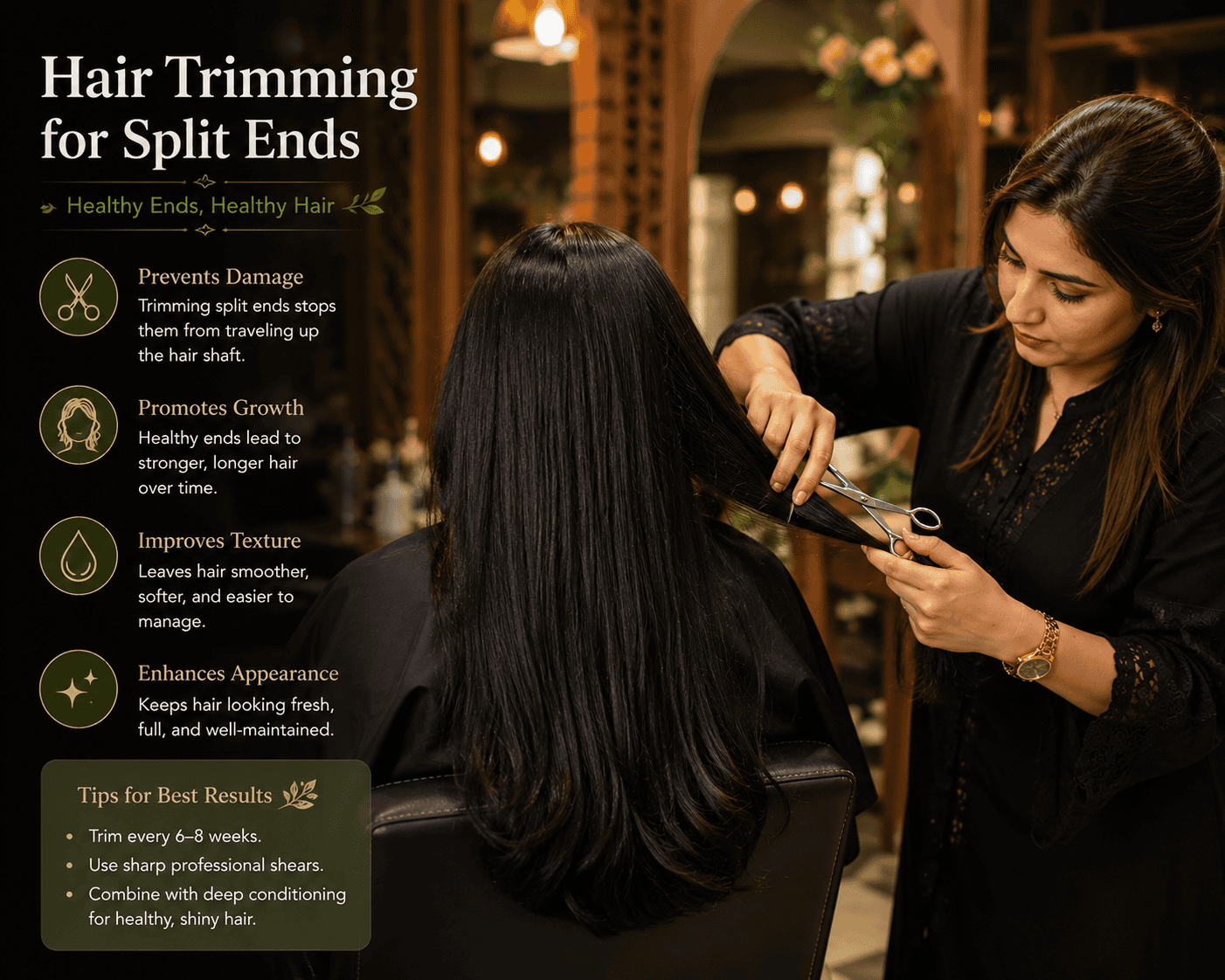
Does Trimming Hair Actually Prevent Breakage?
Yes — and it’s the only thing that actually eliminates existing split ends. No product repairs a split hair shaft; the split will keep traveling upward toward the root until you remove it. That’s how you lose an inch of length in one salon visit despite “not cutting it” for months.
A “dusting” trim removes only the damaged tips with barely visible length loss — perfect for women growing their hair. Ask your stylist specifically for this.
How to use: Full trim every 8-12 weeks; dusting every 6-8 weeks for heat-styled hair.
What to expect: Healthier ends, reduced mid-shaft breakage from upward-traveling splits.
Best for: All hair types
Cost: $20-50 at a salon; free with a good DIY YouTube tutorial
Done right vs. done wrong: Done right, a dusting every 6 weeks keeps your length while stopping splits at the tip. Done wrong, you skip trimming for 8 months and end up losing 3 inches in a single salon appointment.
The Egg Protein Mask: Does It Work?
Let’s be honest — I was deeply skeptical of this one. But your hair is approximately 95% keratin, which is a form of protein. When that protein is depleted from heat, chemicals, or a low-protein diet, hair loses its elasticity and snaps instead of stretching. An egg mask temporarily patches those weak points in the shaft.
Mix 1 egg with 1 tablespoon of olive oil. It has a mild, slightly savory smell — not unpleasant, just distinctive. Apply to the lengths and ends. Wait 20 minutes. Then rinse with cool water — never hot.
I learned this the hard way. The first time I tried this, I rinsed with hot water. The egg started to cook. I spent 40 minutes picking scrambled egg fragments from my hair. Trust me on this: cool water only.
How to use: Once a week for 4 weeks, then twice a month for maintenance.
What to expect: Noticeably stronger, less stretchy hair after 3-4 treatments.
Best for: Damaged, chemically processed, or fine hair | NOT for hair that already feels stiff and dry (that’s protein overload)
Cost: Under $2 per treatment

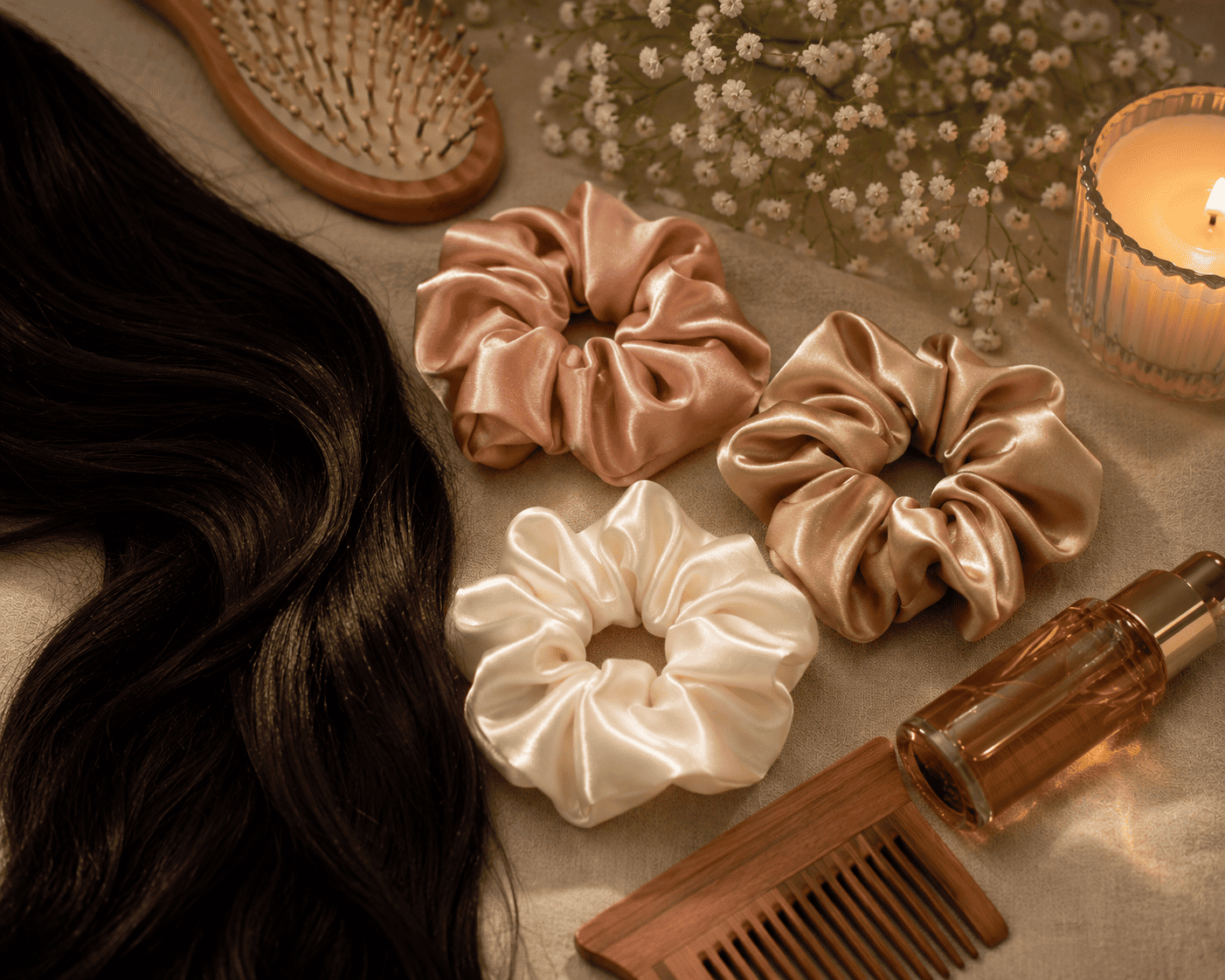
Replace Rubber Elastics with Silk Scrunchies
The ponytail elastic you’ve been using creates a stress point where strands repeatedly snap with every wear and removal. Metal-tipped elastics are the worst offenders. Within 10 days of switching to fabric scrunchies, the halo of short broken hairs around my hairline was noticeably smaller.
How to use: Replace all elastics. Never sleep in a tight bun — use a loose braid with a fabric scrunchie at the base instead.
What to expect: Reduced breakage at the crown and hairline within 1-2 weeks.
Best for: All types, especially fine hair and thinning edges
Cost: Under $5 for a multi-pack
End Every Shower with Cold Water — Here’s Why
This costs nothing and is probably the most underrated tip on this list. Hot water leaves the hair cuticle open and rough — and an open cuticle snags on everything: other strands, your towel, your pillow. Cold water seals the cuticle flat, leaving hair visibly smoother and far less prone to mechanical breakage.
Yes, it’s uncomfortable for about 30 seconds. That sharp, slightly shocking sensation is actually how you know it’s working. You get used to it surprisingly fast — and your hair will thank you.
How to use: Switch to cool or cold water for the last 30 seconds of your rinse. Just the hair — you don’t need a full cold shower.
What to expect: Noticeably shinier hair immediately. Reduced breakage over 2-3 weeks.
Best for: All hair types | Cost: Free

Microfiber Towel vs. Regular Towel: Does It Matter?
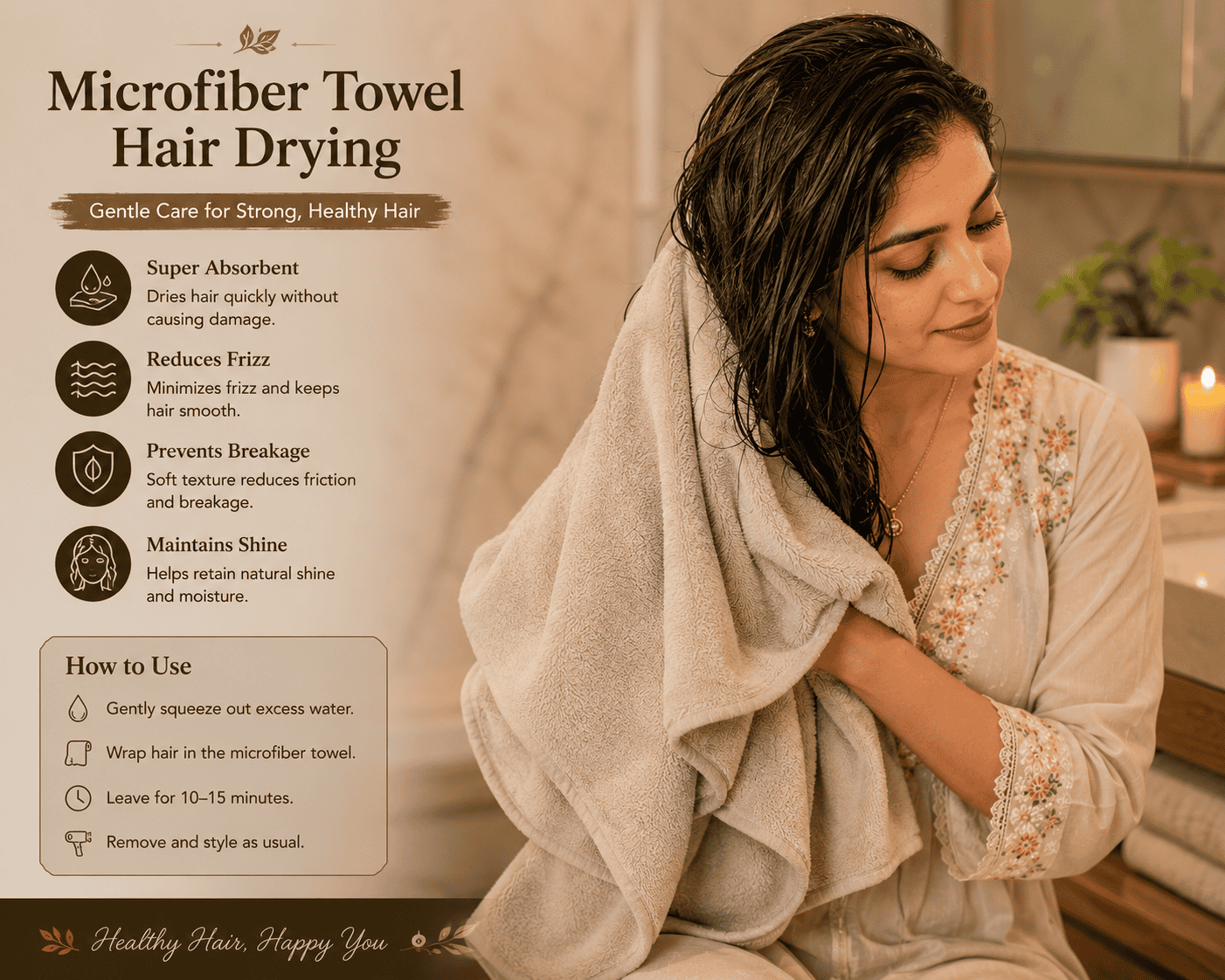
Yes. Terry cloth towels have a rough looped texture that roughens the cuticle and grabs individual strands, especially when rubbed. Microfiber is dramatically finer and gentler. An old, soft cotton t-shirt works just as well and costs nothing.
How to use: Blot — never rub. Wrap hair gently in the towel and let it absorb water for a few minutes rather than wringing or squeezing.
What to expect: Fewer tangles, less frizz, immediate reduction in mechanical breakage.
Best for: All hair types | Cost: $10-15 for a quality microfiber hair towel
Can Diet Affect Hair Breakage?
Significantly — especially when breakage is sudden or severe. Hair is almost entirely protein, and a chronically low-protein diet directly weakens hair structure over time. According to the American Academy of Dermatology, nutritional deficiencies are an underdiagnosed cause of hair breakage in women.
Add these to your plate: eggs, salmon, Greek yogurt, lentils, spinach, walnuts, and avocado. If your diet is restricted, a biotin supplement (2,500-5,000 mcg/day) may help — but consult your doctor before starting any supplement.
Honest hot take: The biotin gummy trend is almost entirely marketing for most women eating a reasonably balanced diet. Biotin supplementation only helps if you’re actually deficient — which is less common than the supplement industry suggests. Save the $30/month unless a blood test confirms you’re low.
What to expect: Hair grows and strengthens from the inside out — give this 6-12 weeks before judging results.
Best for: Postpartum women, those on low-protein or very restricted diets, women experiencing sudden severe breakage
Comparison Table: Home Remedies vs. Salon Treatments
| Method | Cost | Time to See Results | Difficulty | Best For |
|---|---|---|---|---|
| Coconut Oil Deep Conditioning | $5-10 | 2-4 weeks | Easy | Dry, brittle, color-treated hair |
| Egg Protein Mask | Under $2 | 3-4 weeks | Easy | Damaged, low-protein hair |
| Silk Pillowcase | $15-30 | 3-7 days | Easy (one-time swap) | All hair types |
| Microfiber Towel | $10-15 | Immediate | Easy | All hair types |
| Wide-Tooth Comb Switch | $5-8 | Immediate | Medium (habit change) | All types, especially curly |
| Heat Protectant | $10-20 | Prevention only | Easy | Heat-styled hair |
| Regular Trims (Dusting) | $0-50 | Ongoing prevention | Medium (consistency) | All types |
| Silk Scrunchies | Under $5 | 1-2 weeks | Easy | Fine hair, thinning edges |
| Salon Bond Treatment (e.g. Olaplex) | $100-200 | 1-3 sessions | Requires salon | Severely damaged, bleached hair |
| Prescription Treatment | Varies | 3-6 months | Requires doctor | Medical causes (thyroid, iron deficiency) |
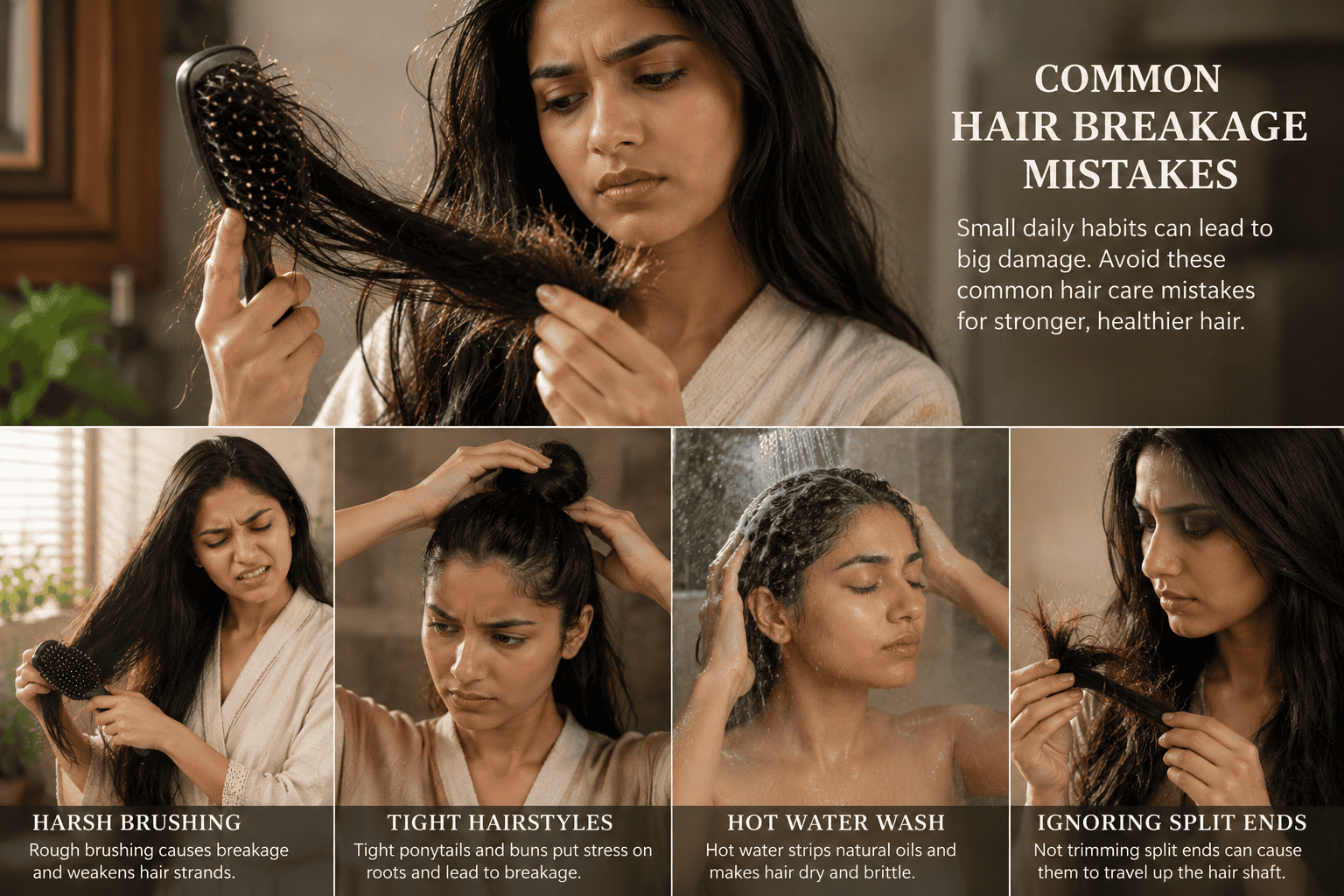
The Biggest Mistakes Women Make with Hair Breakage
The #1 mistake: Brushing wet hair with a regular paddle brush. This alone causes more breakage than almost any other single habit.
Other common mistakes:
- Over-washing: washing daily strips the natural oils that protect the cuticle
- Scrubbing hair aggressively while shampooing — creates massive mechanical damage and tangling
- Skipping conditioner to save time in the shower
- Rinsing with very hot water from root to tip
- Sleeping with hair in a tight rubber-banded bun every night
- Layering products without ever clarifying — buildup weighs strands down and weakens them
- Over-trusting “split end repair” products — they smooth temporarily but the split keeps traveling
When to See a Doctor About Hair Breakage
Most breakage improves significantly within 4-8 weeks of consistent routine changes. But consult your doctor if:
- Breakage started suddenly and severely without an obvious cause
- You notice thinning alongside breakage (not just short broken pieces but actual volume loss)
- Other symptoms accompany it: extreme fatigue, unexplained weight changes, or skin problems — these can indicate thyroid issues, iron-deficiency anemia, or hormonal imbalances
- Your scalp feels tender or you notice patchy breakage
- Nothing improves after 3-4 months of the right habits
Thyroid disorders, iron-deficiency anemia, PCOS, and postpartum hormonal shifts can all cause hair breakage that won’t respond to any topical treatment. A simple blood panel can rule these out. Always consult your doctor if you’re concerned about sudden or unexplained hair changes.
People Also Ask
❓ What causes hair breakage? → The most common causes are heat styling without protection, chemical treatments (coloring, bleaching), brushing wet hair with a regular brush, sleeping on rough cotton pillowcases, tight hairstyles, over-washing, and protein or moisture imbalance. Nutritional deficiencies in protein, iron, or biotin can also contribute.
❓ Can you reverse hair breakage without cutting? → You can stop new breakage from happening and strengthen the hair shaft going forward — but existing split ends cannot be repaired without trimming. Products can temporarily smooth the surface, but the structural split remains and will keep traveling upward unless removed.
❓ What’s the difference between hair shedding and hair breakage? → Shed hair has a small white or rounded bulb at the root end — this is normal (50-100 strands daily). Broken hair has no bulb; it’s a fragment of the hair shaft without any root attached. If you’re unsure, check the end of each strand carefully.
❓ How long does it take to fix hair breakage? → With consistent routine changes (heat protectant, silk pillowcase, wide-tooth comb, weekly deep conditioning), most women notice improvement within 2-4 weeks. Severe or long-term damage takes 3-6 months of consistent habits to fully address.
❓ How do I stop hair breakage at home? → Start with three changes today: switch to a wide-tooth comb for wet hair, sleep on a silk pillowcase, and deep condition weekly with coconut or argan oil. Add heat protectant to every styling session. These four habits alone will reduce breakage for most women within a month.
FAQ
Q1: What are the main causes of hair breakage in women? Heat styling without protection, chemical processing (coloring, bleaching, relaxing), brushing wet hair, over-washing, tight hairstyles, sleeping on cotton pillowcases, protein-moisture imbalance, and nutritional deficiencies like iron or biotin. According to a 2023 survey by the American Hair Loss Association, 40% of women with breakage identified heat damage as the primary contributing factor.
Q2: Can split ends be repaired without cutting? No — not structurally. Once the hair shaft splits, it cannot bond back together. Products marketed as “split end repair” temporarily smooth and coat the surface cosmetically, but the underlying split remains and continues traveling upward. Trimming is the only actual solution.
Q3: How often should I trim my hair to prevent split ends? A full trim every 8-12 weeks, or a lighter “dusting” trim every 6-8 weeks if you use heat tools regularly. A dusting removes only the very damaged tips with minimal length loss — ideal for women actively growing their hair.
Q4: Is hair breakage the same as hair loss? No. Natural shedding is 50-100 strands daily — those strands have a small white bulb at the root. Broken hair has no bulb at all; it’s a mid-shaft snap. If you see large amounts of root-attached hair falling out, that warrants a conversation with your doctor.
Q5: Does oiling hair actually prevent breakage? Yes, when done correctly. Oils like coconut, argan, and castor coat the hair shaft, reduce friction, and help hair retain moisture — all of which reduce breakage over time. They don’t repair protein bonds or fix split ends. Think of oil as a protective coating, not structural repair.
Q6: What vitamins help with hair breakage? Biotin (B7), vitamin D, iron, zinc, and omega-3 fatty acids are most commonly linked to hair strength. Biotin supplements only help if you’re genuinely deficient — which is less common than supplement marketing implies. Consult your doctor before starting supplements, especially if you’re pregnant or postpartum.
Q7: Why does my hair break even though I moisturize regularly? Over-moisturizing without enough protein causes hygral fatigue — hair becomes too soft and limp, losing its elasticity and snapping easily despite being “moisturized.” Try the stretch test: pull a wet strand. If it stretches a lot and then breaks, it needs protein. If it snaps immediately with no stretch, it needs moisture.
Q8: Is it bad to sleep with wet hair? Yes. Wet hair is 30% weaker than dry hair, making it more vulnerable to friction damage from pillows. A damp scalp environment can also encourage bacterial or fungal growth. If you wash at night, blot dry with a microfiber towel, sleep on a silk pillowcase, and loosely braid your hair.
Q9: What’s the best way to brush hair to prevent breakage? Use a wide-tooth comb on wet hair — never a brush. For dry, detangled hair, a boar bristle brush or flexible paddle brush is gentler. Always start from the ends and work upward. Never brush from root to tip.
Q10: Can stress cause hair breakage? Yes. Severe stress can trigger telogen effluvium (sudden increased shedding) and affects the hormonal and nutritional systems that support hair health. If breakage increased significantly 2-3 months after a major stressful event, that timeline is significant and worth mentioning to your doctor.
Q11: What happens if I never trim my split ends? The split travels upward along the hair shaft, causing more breakage further up the strand. Over time, this creates frizz, uneven texture, and unexpected length loss — you’ll end up losing more length in one overdue trim than you would have lost from six small trims.
Q12: Is it safe to use an egg mask on colored hair? Yes — in fact, colored hair often benefits most from protein treatments because chemical processing depletes keratin. Always rinse with cool water to avoid cooking the egg in your hair, and don’t use a protein mask more than once a week, as protein overload (stiff, brittle feeling) is a real risk.
Q13: Can braiding hair prevent breakage overnight? Loose overnight braids reduce friction and tangling, which does reduce mechanical breakage. Tight braids — especially with heavy extensions worn for weeks — cause traction alopecia: real hair loss and breakage along the hairline from sustained tension.
Q14: How do I know if my hair breakage has a medical cause? Signs that breakage may be medical: it started suddenly and severely, accompanied by other symptoms (extreme fatigue, weight changes, dry skin), it’s patchy, or it hasn’t responded after 3-4 months of consistent routine improvements. A thyroid panel and iron/ferritin blood test are good starting points. Always consult your doctor if you’re concerned.
Q15: What’s the fastest way to reduce hair breakage? The fastest results come from eliminating the main mechanical causes first: switch to a wide-tooth comb for wet hair (immediate), swap to a silk pillowcase (noticeable within 3-7 days), and replace rubber elastics with fabric scrunchies. These changes cost under $30 total and many women notice improvement within the first week.
━━━━━━━━━━━━━━━━━━━━━━━━━━━━━━ Quick Summary — Hair Breakage and Split Ends ✅ Best home remedy: Weekly coconut oil deep conditioning ⏱ Time to results: 2-4 weeks with consistent habits 💰 Budget option: Egg protein mask — under $2 per use ⚠️ Avoid if: Hair feels stiff and brittle — that’s protein overload, not moisture need 👩⚕️ See a doctor if: Breakage is sudden, severe, or accompanied by fatigue or other symptoms 📌 Top tip: Never brush wet hair with a regular brush — switch to a wide-tooth comb immediately ━━━━━━━━━━━━━━━━━━━━━━━━━━━━━━
The Bottom Line
Healthy hair isn’t built in a salon once a month — it’s built (and protected) in the small daily decisions most people don’t think about. The pillowcase you sleep on. The comb you reach for after a shower. Whether you skip that heat protectant step when you’re in a rush.
I still think about what Nadia told me once, something her mother used to say: “You cannot rush healthy hair — but you can stop hurting it today.”
Start with one change this week. The wide-tooth comb, the silk pillowcase, the cold rinse. Give it three weeks before judging. These habits are small, inexpensive, and they compound. Your hair will show you.
And if you’ve tried everything and nothing is improving — consult your doctor. Sometimes what looks like a hair problem is your body asking for something else entirely.



Leave a Comment
Share your thoughts or questions about this article!