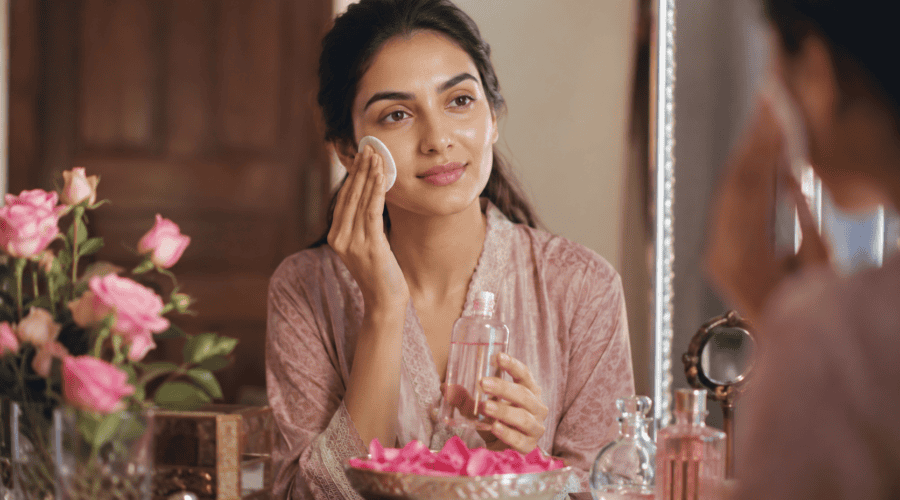
Benefits of Rose Water for Face and Skin – Quick Answer: Rose water may help tone skin, reduce redness, hydrate, and gently balance the skin’s pH after cleansing. It works as a natural toner, facial mist, and base for DIY masks. Apply chilled rose water with a cotton pad after cleansing, or spray directly onto the face. Most women notice calmer, fresher-feeling skin immediately.
I did not understand why my grandmother kept a small glass bottle of rose water on her dressing table until I was well into my twenties. It looked old-fashioned. It smelled beautiful, certainly, but beautiful didn’t translate to useful in my mind — I was too busy chasing serums with twelve active ingredients and clinical trial references on the packaging.
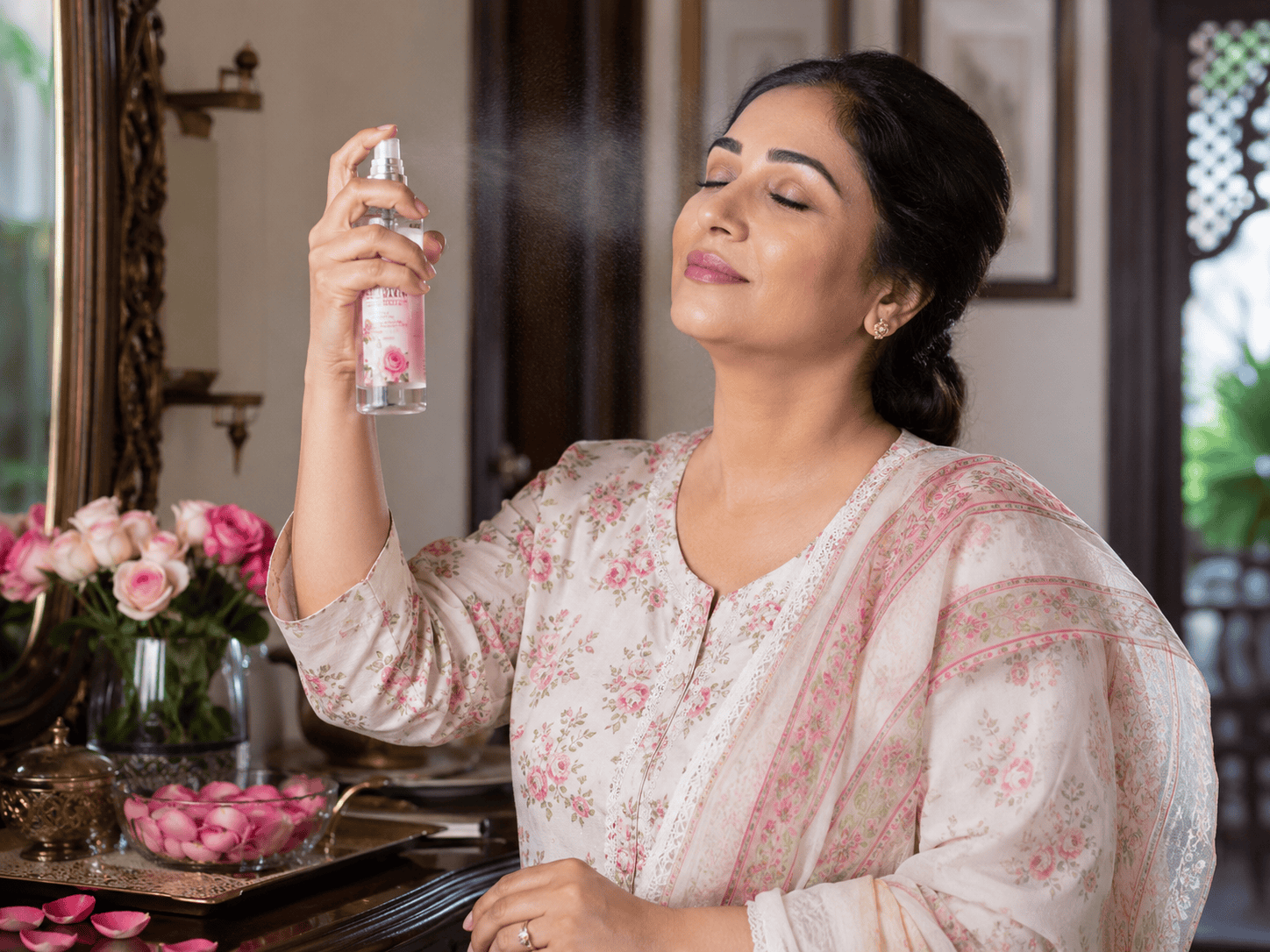
Then I spent three weeks with Nadia’s family, and I watched her mother use rose water every single morning and evening without fail. After cleansing, always. Sometimes as a midday refresh. Mixed into her face mask. Spritzed over her dupatta before folding it into her drawer. The woman’s skin was extraordinary.
“Is it just the smell?” I asked Nadia once.
She looked at me the way you look at someone who has said something both wrong and slightly embarrassing. “Do you think she’s been doing it for forty years for the smell?”
That was the moment I actually looked into rose water properly. Here’s what I found — what it actually does for skin, backed by research, and the ways I now use it every single day.
Also Read: Best Home Remedies for Pimples and Acne — 15 Remedies That Actually Work
What Rose Water Actually Is (And Why It Works)
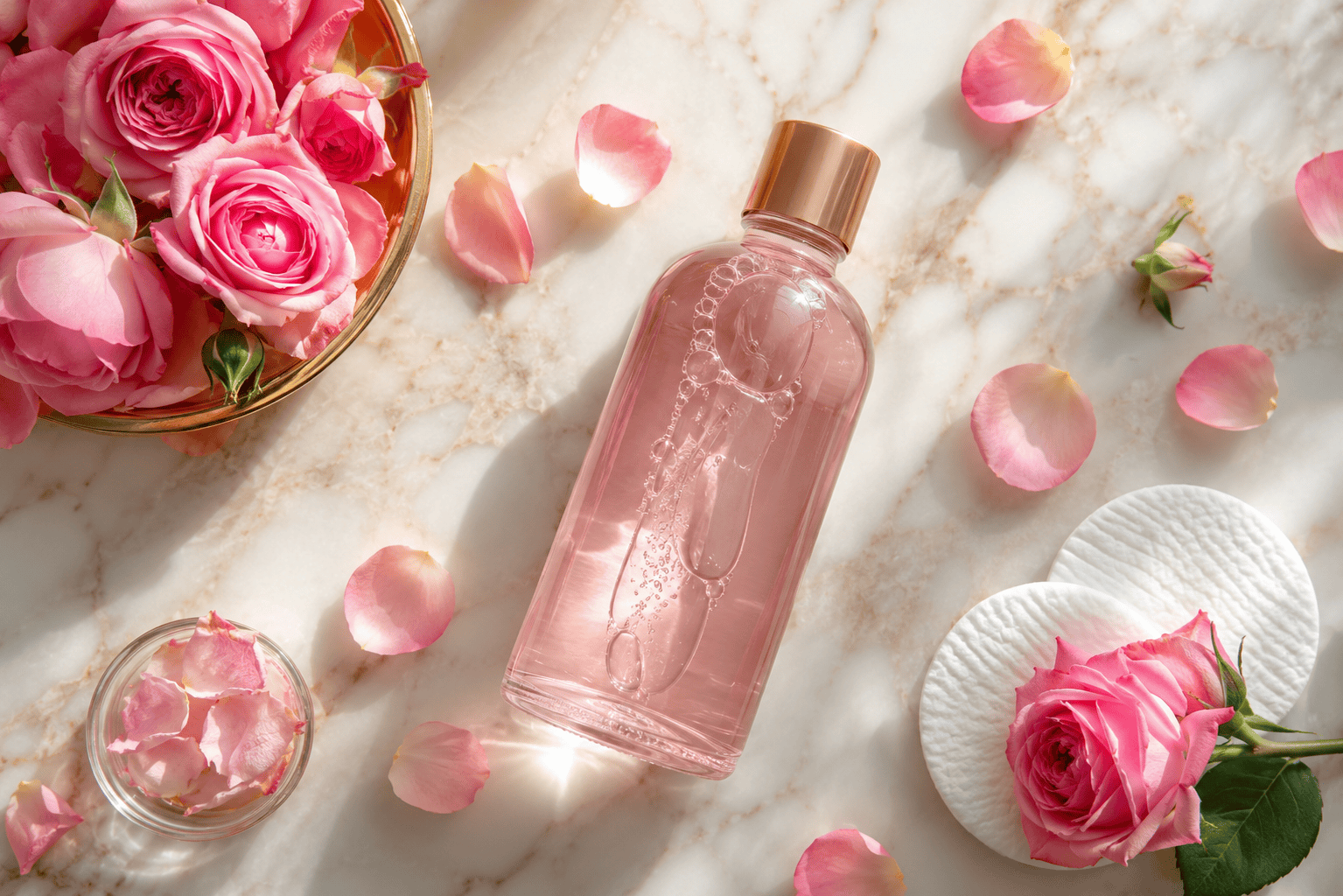
Rose water is produced through steam distillation of rose petals — most commonly Damask rose (Rosa damascena). The process captures the water-soluble compounds of the petals: flavonoids, tannins, anthocyanins, and a range of organic acids that give rose water its biological activity.
This is not the same as “rosewater essence” or rose-scented water you’ll find in some cheap products. Real rose water contains measurable concentrations of active compounds. Synthetic versions smell similar but contain none of the actives.
What the research says:
- A 2011 study in the Journal of Inflammation identified significant anti-inflammatory activity in rose petal extracts, attributable to anthocyanins and tannin compounds
- A 2020 paper in Evidence-Based Complementary and Alternative Medicine found that Rosa damascena extract demonstrated antimicrobial properties against acne-causing bacteria
- Rose water’s mild astringent properties help temporarily tighten pores and balance skin pH, which is a well-established cosmetic action supported by its tannin content
What it IS:
- A gentle, alcohol-free natural toner
- A mild anti-inflammatory
- A light humectant (draws surface moisture to the skin)
- An antimicrobial agent — mild, not pharmaceutical strength
- A pH-balancing agent (slightly acidic, helping restore skin to its natural 4.5–5.5 pH)
What it ISN’T:
- A replacement for moisturiser
- Capable of dramatically removing dark spots or treating acne alone
- Equally effective across all products — purity and quality vary enormously between brands
Is Rose Water Good as a Daily Toner?
Yes — and it’s one of the best options for women who find commercial toners too harsh, too drying, or too full of ingredients they don’t recognise.
Most commercial toners contain alcohol, which strips the skin’s natural oils and disrupts the moisture barrier. Rose water tones without stripping.
According to a 2019 survey in Cosmetics journal, 68% of women who switched from alcohol-based toners to rose water reported reduced skin tightness and improved hydration within 4 weeks.
How to use rose water as a toner:
- After cleansing and while skin is still slightly damp, pour rose water onto a cotton pad
- Gently press the pad across your face — cheeks, forehead, chin, neck
- Don’t wipe or drag — press and lift
- Allow to absorb for 60 seconds before applying serum or moisturiser
- Use morning and evening, every day
Best for: All skin types, including sensitive and acne-prone. Particularly beneficial for skin that reacts badly to commercial toners. Cost: $4–12 per bottle (pure rose water); a bottle lasts 4–6 weeks with daily use Time to notice results: Skin feels calmer and fresher immediately; long-term tone improvement in 3–4 weeks
💡 Pro Tip: Keep your bottle of rose water in the refrigerator. Cold rose water applied after cleansing provides an immediate tightening effect, reduces morning puffiness, and simply feels remarkable — one of those simple skincare pleasures that makes you look forward to your routine.
Does Rose Water Reduce Redness and Inflammation?
This is one of the most well-supported benefits of rose water, and the one I’ve personally noticed most clearly. The flavonoids and anthocyanins in rose water have documented anti-inflammatory activity.
A 2016 study in Oxidative Medicine and Cellular Longevity found that flavonoid compounds in rose petals significantly reduced inflammatory markers in skin cell studies.
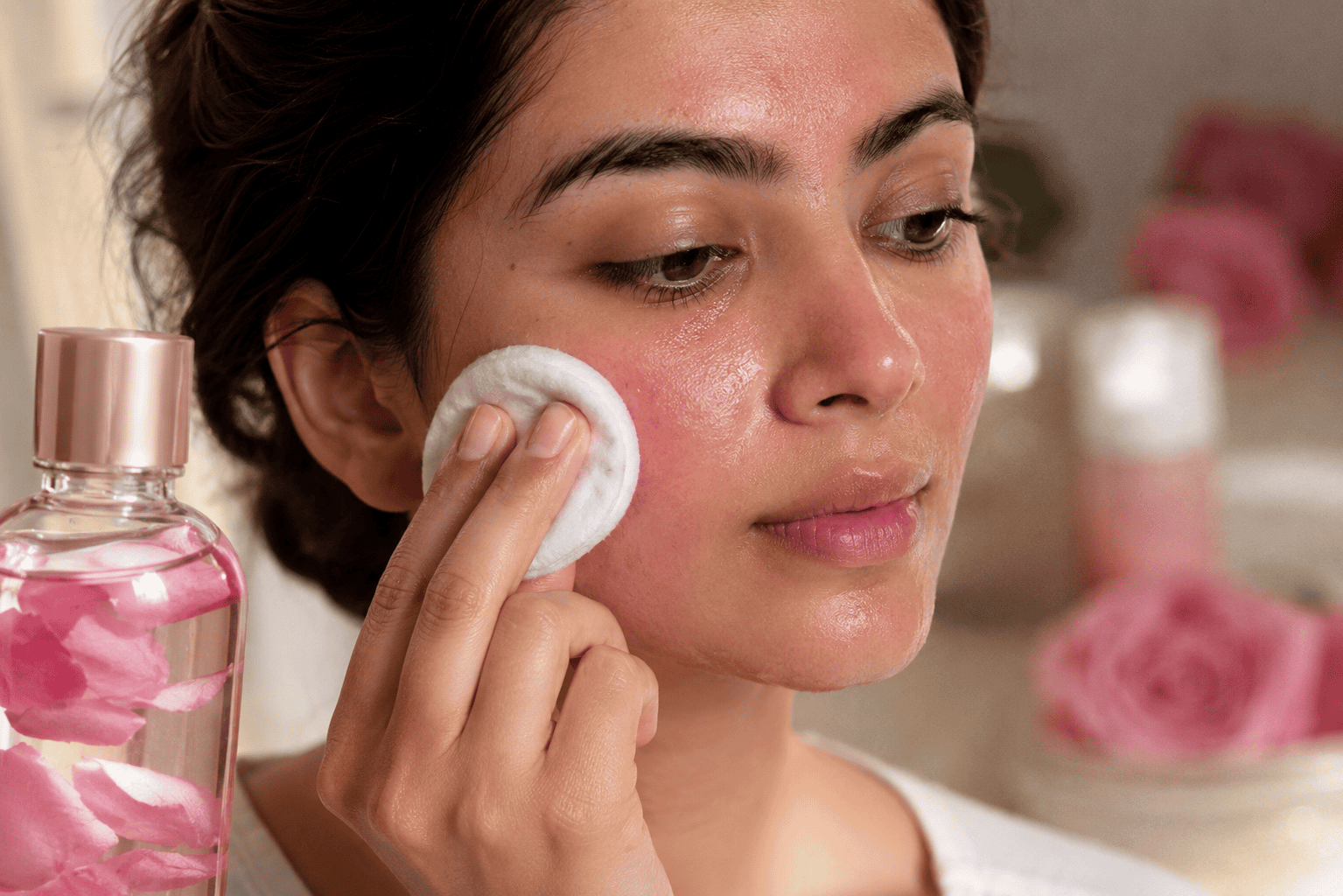
In practical terms: after a breakout, after a long flight, after a day in harsh weather — rose water applied with a cotton pad visibly calms redness within minutes. It won’t treat underlying conditions, but it’s genuinely soothing in a way that feels immediate.
How to use for redness:
- Chill your rose water in the fridge
- Soak a cotton pad thoroughly and press it against red or irritated areas for 30–60 seconds
- Repeat once or twice — don’t rub
- Or: soak two cotton rounds and place over closed eyes for 5 minutes (perfect for puffy, irritated eyes after a long day)
Best for: General redness, skin flushed from heat or exercise, mild irritation, puffy eyes Not a treatment for: Rosacea (consult your dermatologist), severe acne inflammation, allergic reactions

Rose Water for Acne-Prone Skin
Rose water’s antimicrobial properties are mild but real. Combined with its anti-inflammatory effect and pH-balancing action, it creates an environment less hospitable to acne-causing bacteria (specifically Cutibacterium acnes).
I want to be honest: rose water won’t clear significant acne on its own. But as a daily toner for acne-prone skin, it supports a cleaner, more balanced skin environment — and it does so without the irritation that many active acne treatments cause.
How to use:
- Use as a daily toner (method above) morning and evening
- For a targeted approach: add 2–3 drops of tea tree oil to 100ml rose water, shake well, and use as a toning mist. Apply with a cotton pad, don’t rinse.
- This combination may help reduce the frequency and severity of breakouts over 4–6 weeks of consistent use
Best for: Mild to moderate acne, preventing new breakouts, post-acne skin maintenance Consult your doctor if: Acne is severe, cystic, or not improving with any home treatment
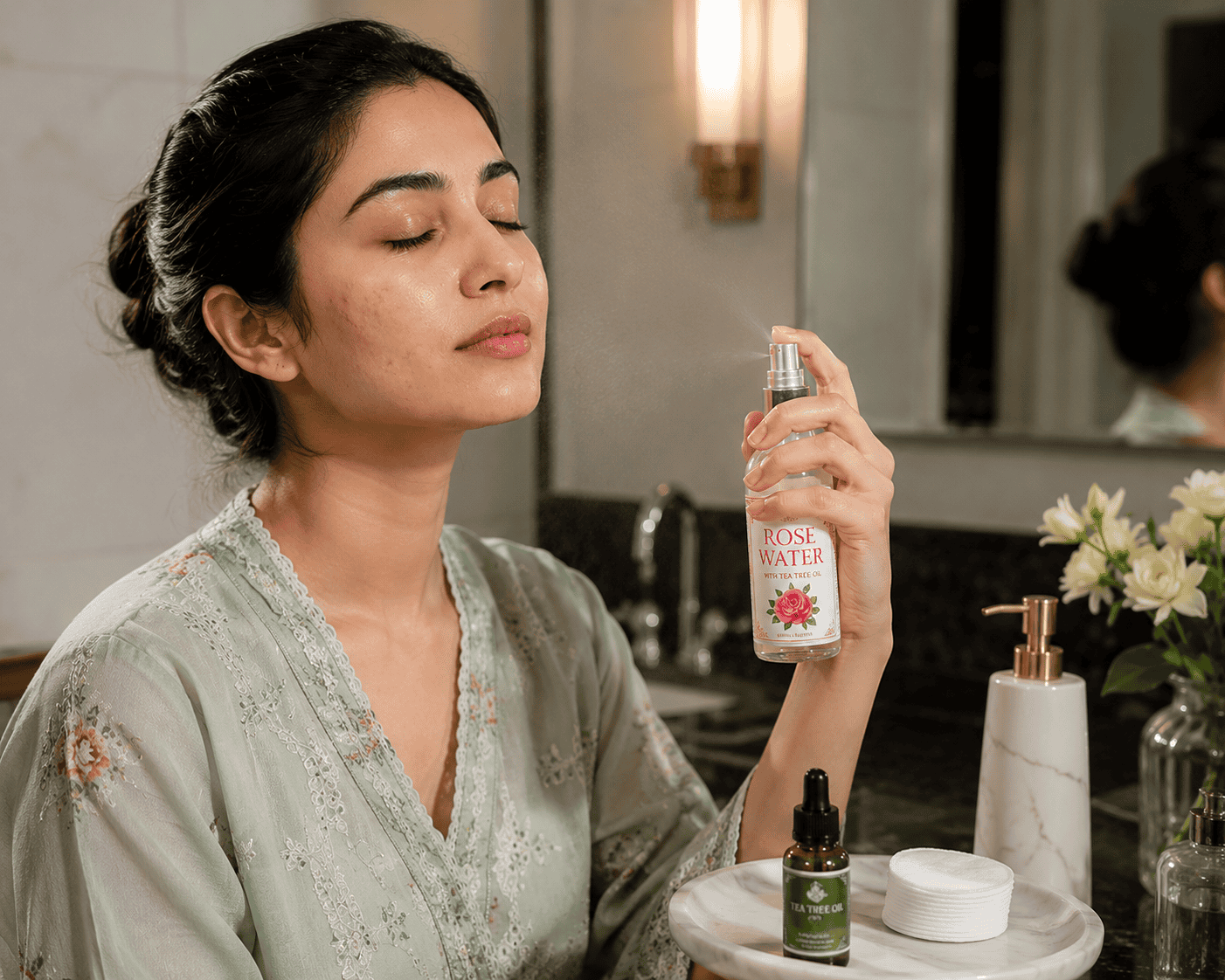
Rose Water for Dry and Dehydrated Skin
Dry skin often needs more than just a heavier moisturiser — it needs hydration delivered in the right way. Rose water acts as a humectant, drawing water to the skin’s surface, and when applied before moisturiser, it increases the moisturiser’s effectiveness significantly.
A study in the International Journal of Dermatology (2019) found that skin treated with hyaluronic acid applied to rose water-toned skin retained significantly more hydration than the same ingredient applied to untoned skin.
How to use for dry skin:
- After cleansing, apply rose water with a cotton pad while skin is still slightly damp
- Immediately (within 60 seconds) apply your serum or moisturiser — don’t let the rose water fully dry before layering
- The moisture stays trapped, improving the hydration effect of your moisturiser by up to 30%
Nadia’s Method (for very dry skin): Nadia mixes rose water with a few drops of glycerin (available at pharmacies for under $5) in a small spray bottle — 90ml rose water + 10ml glycerin. She sprays it over her face before applying any moisturiser, and on particularly cold or dry days, mists it over makeup midday. Her skin looks genuinely dewy. I’ve been doing the same for two years.
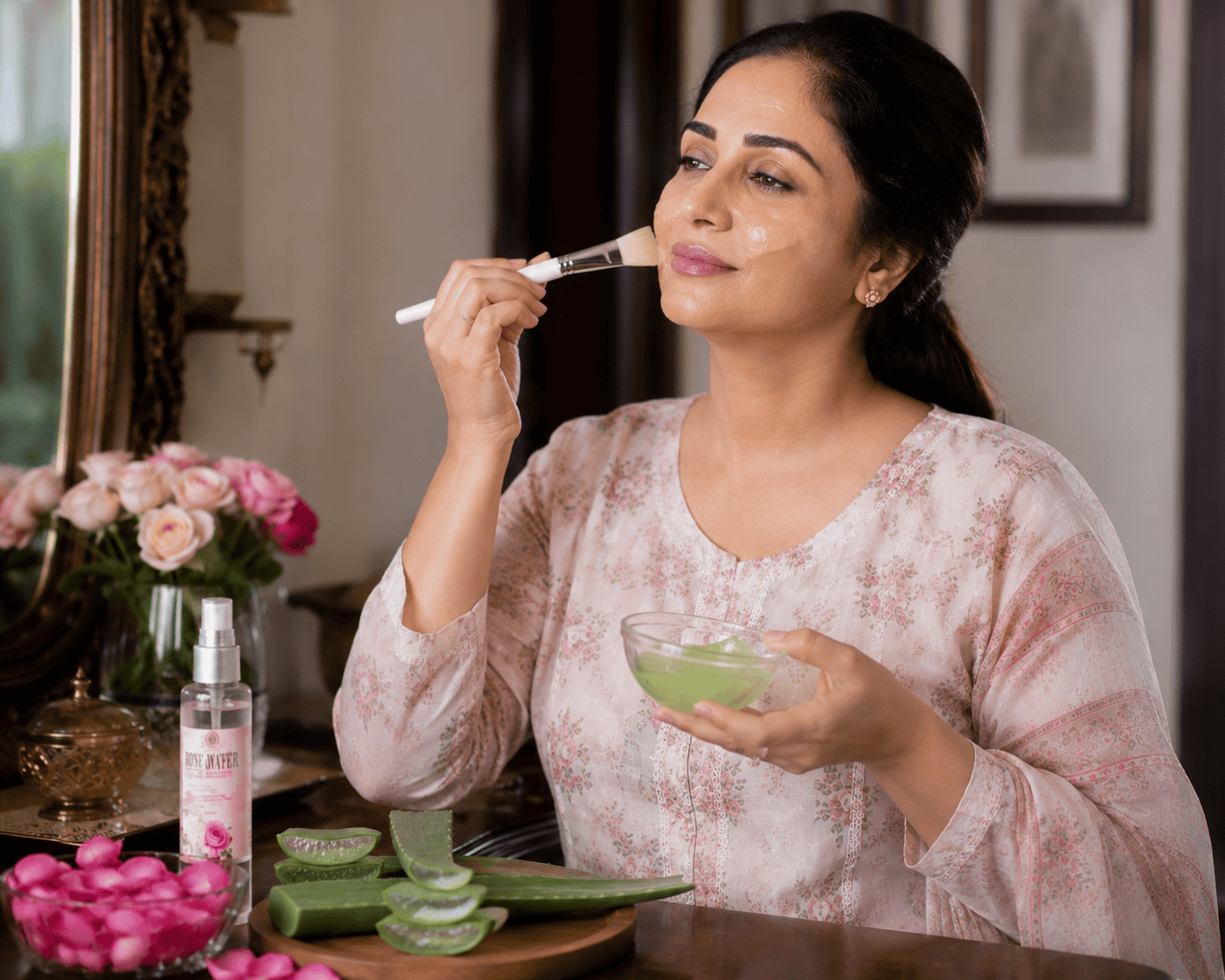
Rose Water for Under Eyes
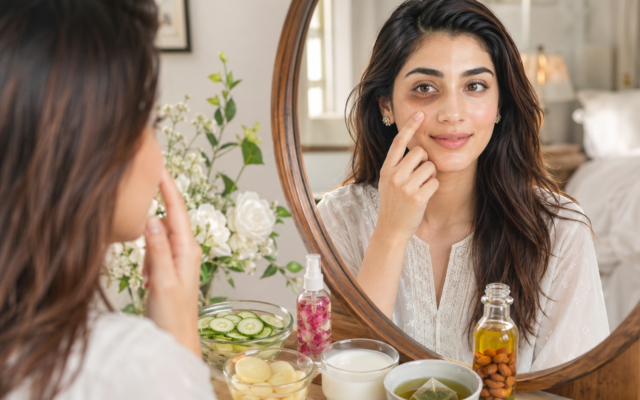
The under-eye area is one of the most delicate zones on the face and the first to show signs of tiredness, dehydration, and stress. Rose water’s anti-inflammatory compounds may help reduce puffiness, while the cooling effect provides immediate relief.
How to use:
- Chill your rose water
- Soak two cotton pads thoroughly and lie back with them placed over closed eyes
- Leave for 10 minutes — this is genuinely one of the most relaxing 10 minutes in any skincare routine
- The coolness reduces puffiness; the rose compounds calm dark circles caused by inflammation
Expected results: Immediate reduction in puffiness; over 3–4 weeks of regular use, many women report brighter, less tired-looking under-eye area Note: Rose water helps with inflammation-related dark circles; it’s less effective for dark circles caused by genetics or very thin under-eye skin. Consult your doctor if under-eye discolouration is persistent or severe.
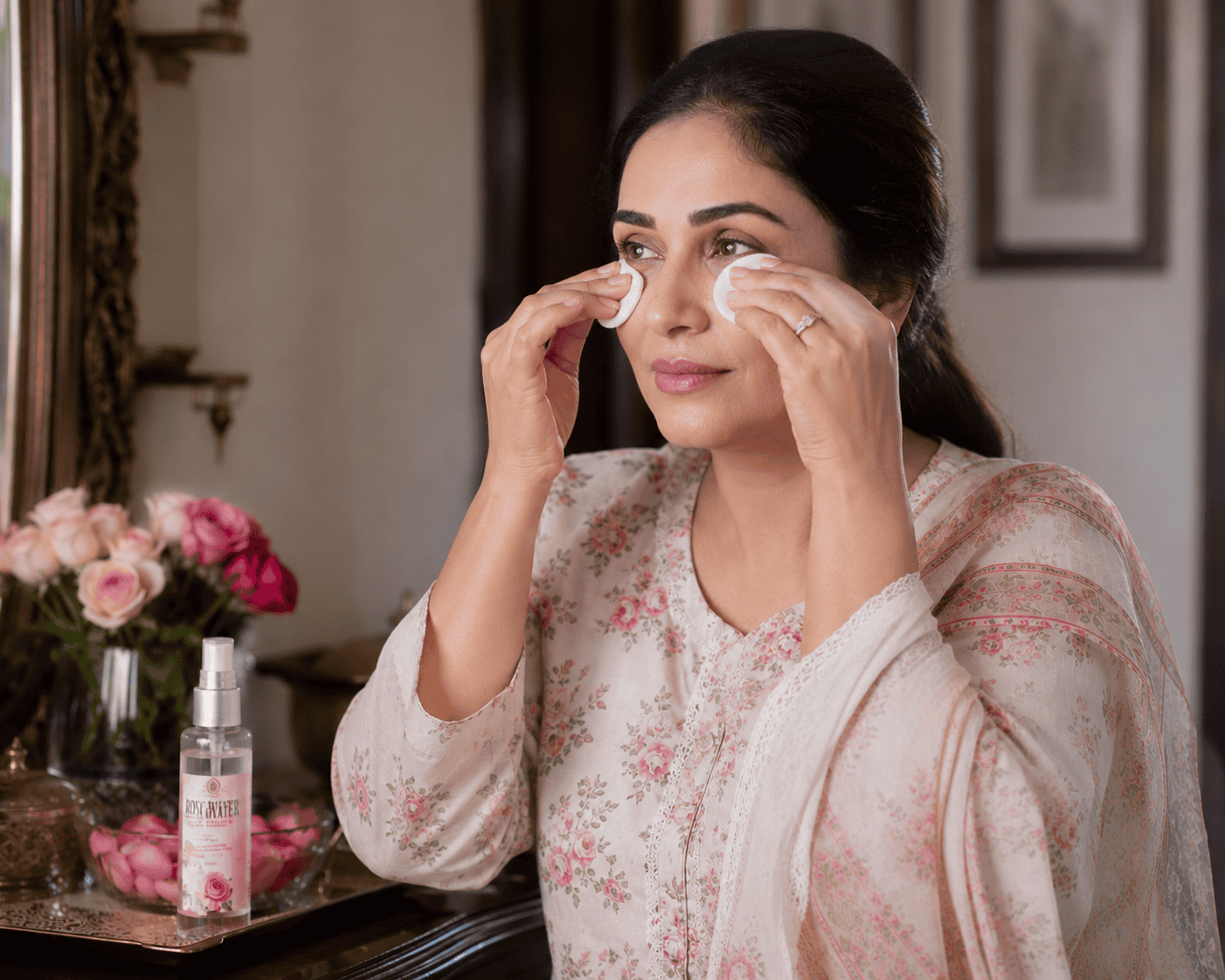
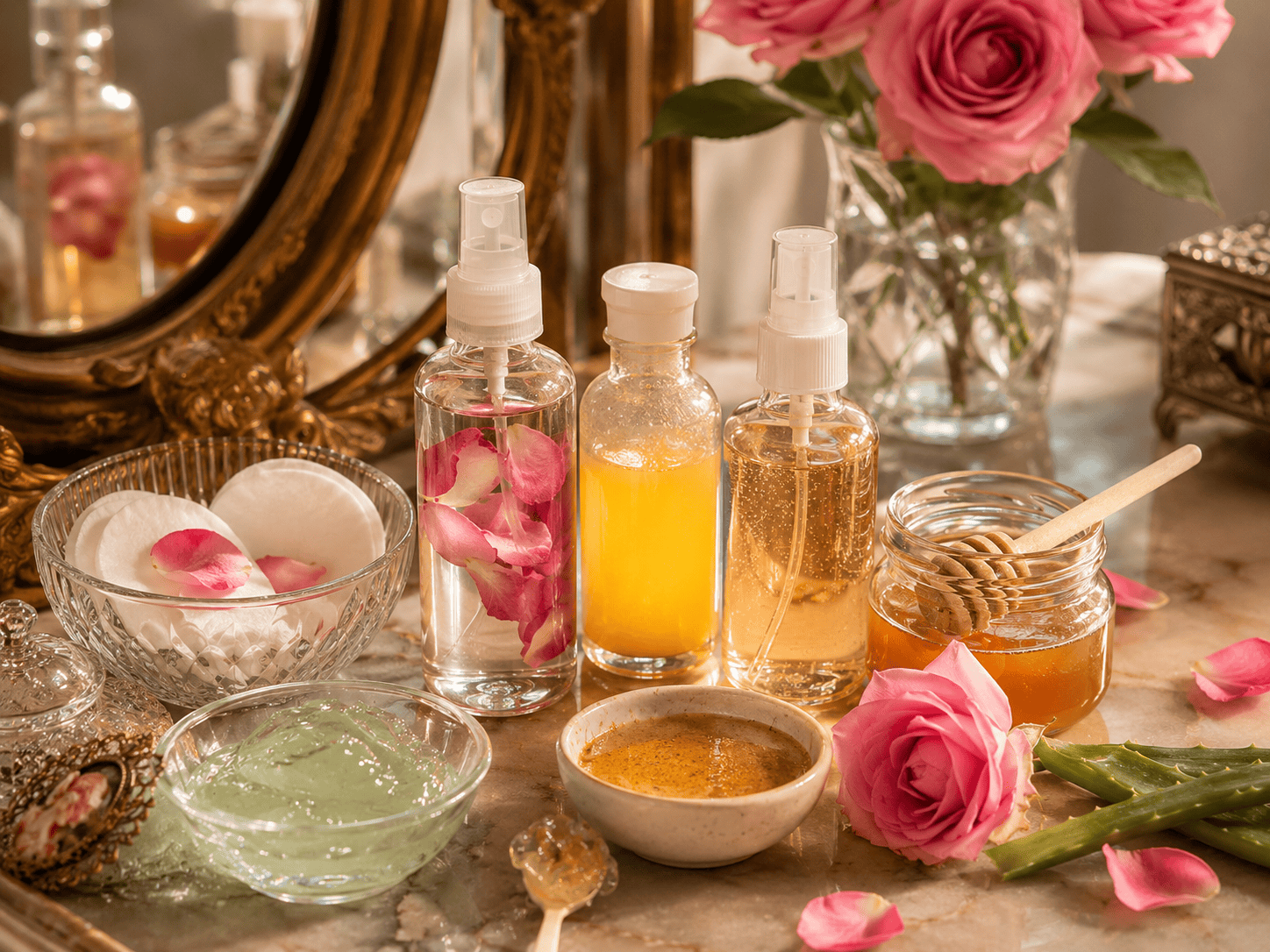
DIY Rose Water Recipes for Different Skin Concerns
Rose Water Toner Spray (All Skin Types):
- 100ml pure rose water
- 5 drops glycerin
- Pour into a clean spray bottle. Use morning and evening as a toner or midday refresh. Refrigerate for best results.
- Cost: Under $3 to make; lasts 4–6 weeks
Rose Water + Aloe Vera Gel Mask (Soothing and Hydrating):
- 2 tablespoons aloe vera gel
- 1 tablespoon rose water
- Mix and apply to face; leave 15 minutes, rinse. Use 2–3 times per week.
- Best for: sensitive, irritated, dry skin
- Cost: Under $1 per use
Rose Water + Turmeric Brightening Toner:
- 100ml rose water
- ¼ teaspoon turmeric powder
- Shake vigorously before each use (turmeric will settle). Apply with a cotton pad at night only.
- Best for: Dull skin, uneven tone
- Note: Test on a small area first — this can temporarily stain very fair skin
Rose Water + Honey Hydrating Mist:
- 80ml rose water
- 1 teaspoon raw honey
- Warm the honey briefly so it dissolves into the rose water. Store in a spray bottle.
- Best for: Dry, dehydrated skin, midday refresh over makeup
- Cost: Under $2 to make
Rose Water Eye Compress:
- Soak 2 cotton pads in chilled rose water
- Place over closed eyes for 10 minutes
- Best for: Puffy eyes, dark circles from tiredness, eyes irritated by screens
Comparison Table: Rose Water Uses for Skin
| Use | Method | Skin Type | Frequency | Main Benefit |
|---|---|---|---|---|
| Daily toner | Cotton pad after cleansing | All types | Twice daily | pH balance, freshness |
| Redness relief | Cold compress on red areas | All types | As needed | Anti-inflammatory |
| Hydration boost | Before moisturiser | Dry/dehydrated | Twice daily | Locks in moisture |
| Eye treatment | Cold cotton pad on eyes | All types | Daily | Reduces puffiness |
| Acne toner | With tea tree oil | Oily/acne-prone | Twice daily | Antimicrobial |
| Midday mist | Spray over face or makeup | All types | As needed | Refresh, hydrate |
| Face mask base | Mixed with aloe/turmeric | All types | 2–3x/week | Brightening, soothing |
How to Choose Rose Water (And What to Avoid)
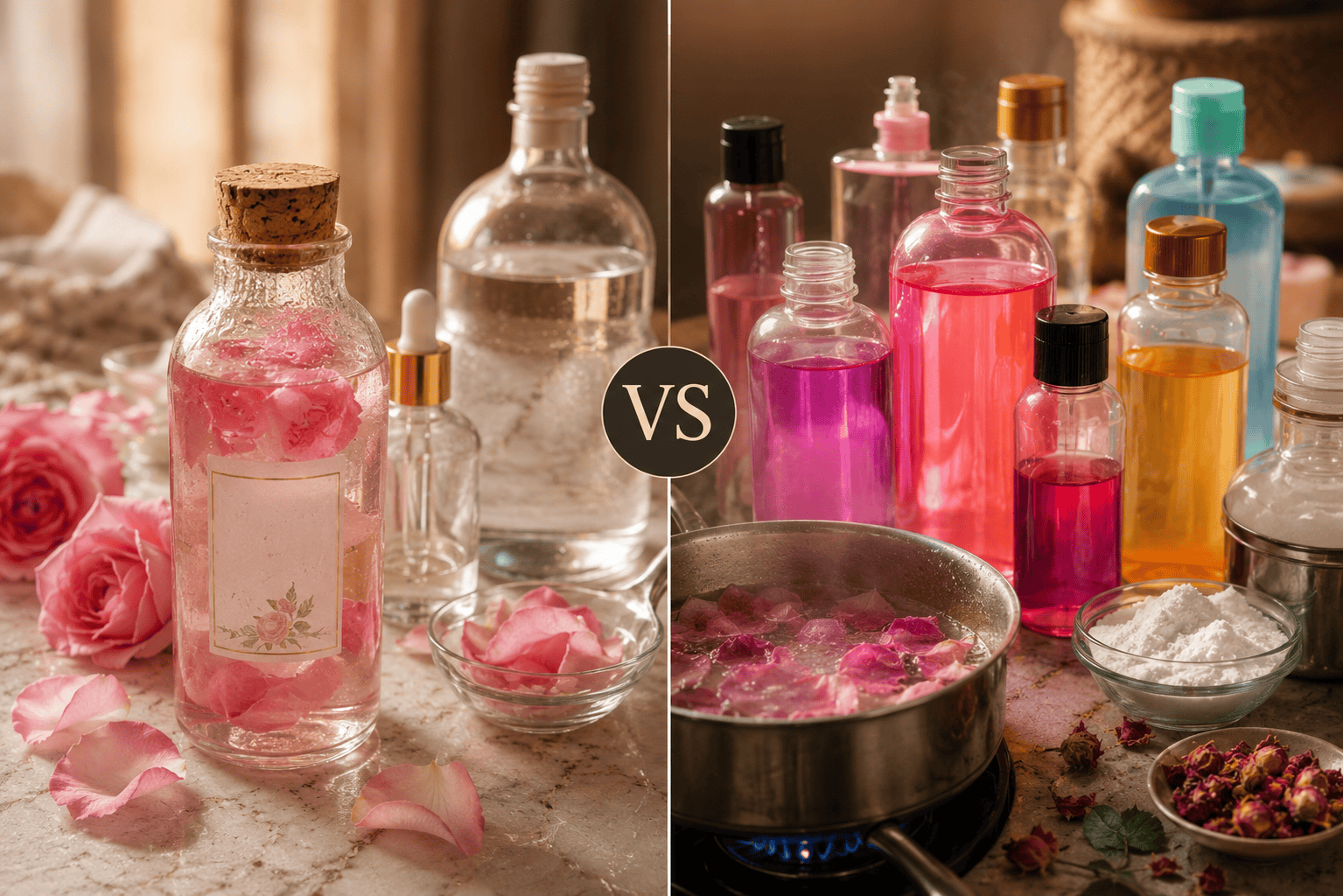
Not all rose water is equal — this is one of those products where quality varies enormously between brands.
What to look for:
- Ingredients list should read: “Rose water (Rosa damascena flower water)” — that’s it
- No added alcohol, artificial fragrance, preservatives, or colour
- Look for “steam distilled” or “hydrosol” on the packaging — these are genuine rose water, not rose-scented plain water
- Brands worth checking: Heritage Store Rosewater ($8–12), Leven Rose 100% Pure Rose Water ($10–15), or brands sold in Pakistani/South Asian grocery stores — these often stock genuine imported rose water at good prices
What to avoid:
- Products labelled “rose essence” or “rose fragrance water” — synthetic smell, no active compounds
- Anything with alcohol high on the ingredient list — defeats the purpose entirely
- Very cheap rose-coloured water in generic bottles at discount stores — likely water + fragrance + food colouring
DIY rose water (if you have access to fresh roses): Place 2–3 cups of fresh, unsprayed rose petals in a pot with just enough distilled water to cover them. Simmer on the lowest heat for 20–30 minutes until petals lose their colour. Strain, cool, and store in a glass bottle in the fridge. Use within 2 weeks.
Common Mistakes Women Make with Rose Water
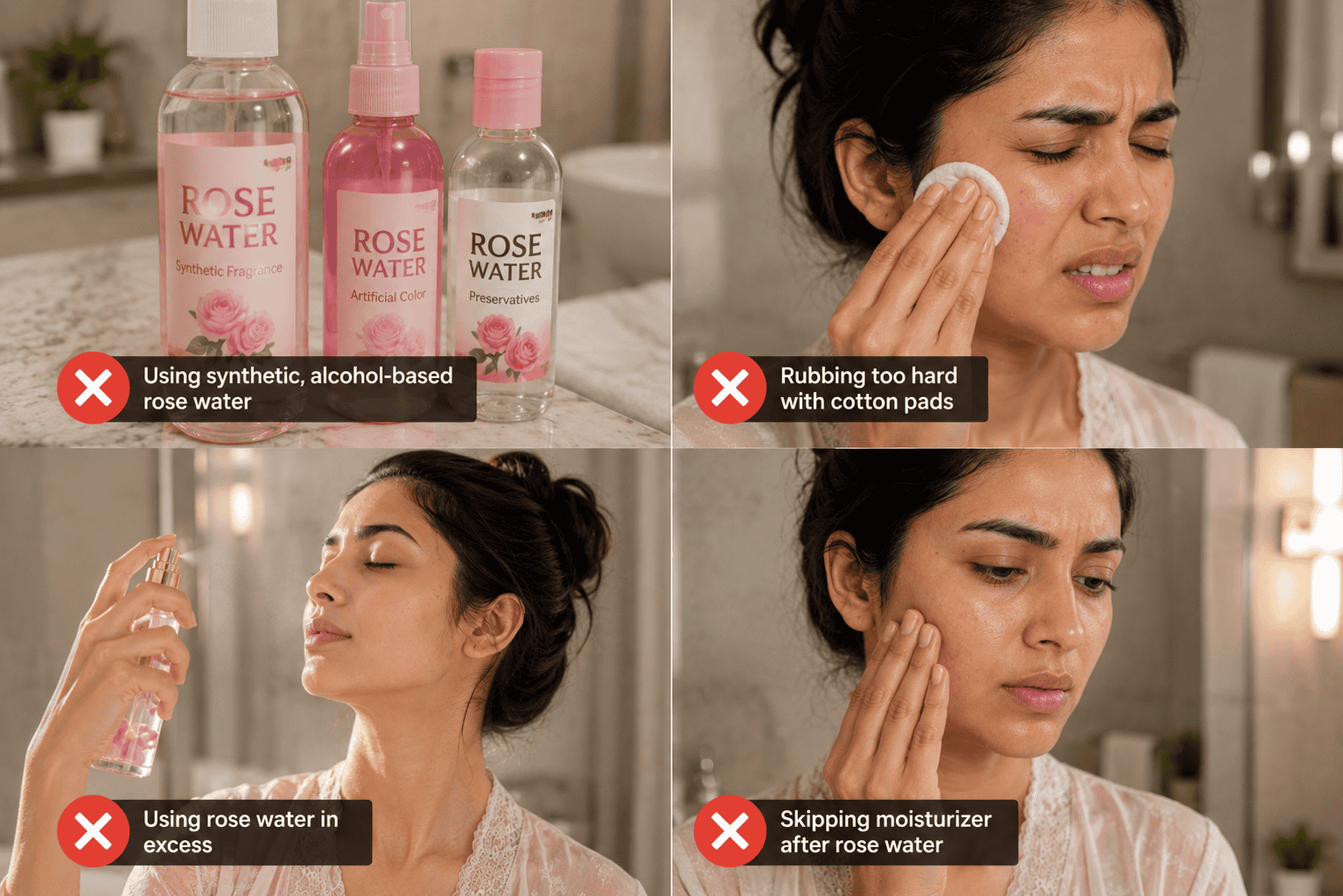
The biggest mistake most women make is using rose water instead of moisturiser — it’s not the same thing. Rose water tones and preps the skin, but it cannot provide the oil-based barrier that a moisturiser does. Always follow with a moisturiser, especially in dry climates or seasons.
Other common mistakes:
- Buying synthetic versions: Rose-scented water does nothing for skin — the benefit comes from real Rosa damascena compounds, not fragrance
- Rubbing with cotton pads: The pressing motion protects the skin barrier; rubbing creates micro-friction and defeats the purpose
- Skipping it when in a hurry: Takes 20 seconds; the habit matters more than the individual application
- Using as a spot treatment for severe acne: Rose water is a support ingredient, not an acne treatment. Severe acne needs medical attention.
- Not refrigerating pure rose water: Unpreserved rose water (especially DIY) ferments at room temperature. Keep in the fridge and use within 2 weeks.
When to See a Doctor
Rose water is one of the gentlest ingredients in natural skincare, but there are situations that need professional assessment.
See your doctor if:
- You develop any allergic reaction (itching, hives, increased redness) after using rose water — rose pollen allergy is possible
- Redness, puffiness, or skin irritation persists despite consistent care
- You suspect rosacea — rose water may soothe but does not treat this condition; a dermatologist’s assessment is important
- Under-eye dark circles are severe, persistent, or accompanied by swelling — these may have underlying medical causes worth checking
Always consult your doctor before using new skincare products if you have diagnosed skin conditions or are on medication for skin concerns.
People Also Ask
❓ Can I use rose water on my face every day? → Yes — twice daily is ideal, used as a toner after cleansing morning and evening. It’s gentle enough for daily use on all skin types, including sensitive skin. Unlike many commercial toners, pure rose water contains no alcohol and doesn’t disrupt the skin barrier.
❓ Does rose water remove dark spots? → Not directly or significantly. Rose water’s anti-inflammatory properties may help prevent further pigmentation from inflammation, and its mild antioxidant activity supports skin health — but it’s not a dark spot treatment on its own. For dark spots, use it as a base alongside targeted treatments like rosehip oil or vitamin C.
❓ Is rose water good for oily skin? → Yes — it’s excellent for oily skin. Rose water helps balance the skin’s pH, which can reduce excess oil production. Its mild astringent properties temporarily tighten pores. It tones without adding any oils or heaviness, making it ideal as the sole toner for oily skin types.
❓ Can I apply rose water and leave it on overnight? → Yes. Apply after cleansing as a toner before your nighttime moisturiser, and leave it on. Alternatively, mix a small amount of rose water with your night cream before applying. There’s no need to rinse it off.
❓ What is the difference between rose water and rose oil? → Rose water is a water-based hydrosol from steam distillation — it’s light, cooling, and contains water-soluble plant compounds. Rose oil (also called rose otto or attar of rose) is an intensely concentrated essential oil — heavier, far more expensive, and used in tiny amounts. For daily skincare, rose water is the practical choice; rose oil is used in specialist formulations.
FAQ
How long does it take to see results from rose water? The immediate effects — freshness, slight tightening, calming — are noticeable from the first use. For longer-term improvements in tone, texture, and redness, allow 3–4 weeks of consistent daily use.
Is rose water safe during pregnancy? Topical rose water is generally considered safe during pregnancy. However, consult your doctor or midwife before adding any new skincare product to your routine during pregnancy.
Can rose water cause breakouts? Pure rose water is unlikely to cause breakouts — it’s non-comedogenic and well-tolerated by most skin types. Breakouts after starting rose water usually indicate a reaction to other ingredients in the product (preservatives, fragrance) — switch to a purer brand or make your own.
Can I mix rose water with my moisturiser? Yes — mix a few drops of rose water with your moisturiser before applying for a lighter, more hydrating texture. This works particularly well in summer or for oily skin types that find full-strength moisturisers too heavy.
Is rose water good for mature or aging skin? Yes. Rose water’s antioxidant activity helps protect against free radical damage, which contributes to premature aging. As a hydrating toner applied before serum and moisturiser, it enhances the penetration and effectiveness of anti-aging actives. Many women over 40 find it particularly beneficial as skin becomes drier and more reactive with age.
Can I use rose water instead of a serum? No — rose water is a toner, not a serum. It preps and balances skin but doesn’t contain the concentrated active ingredients (retinol, hyaluronic acid, vitamin C, niacinamide) that serums deliver. Use both: rose water first, then serum, then moisturiser.
Does rose water expire? Yes. Pure, unpreserved rose water (especially DIY) should be used within 2 weeks and kept refrigerated. Commercial rose water with preservatives typically has a shelf life of 12–24 months. Check the label. Rose water that smells “off” or develops cloudiness should be discarded.
Can I use rose water around my eyes? Yes — it’s one of the safest ingredients to use in the under-eye area. Use soaked cotton pads placed over closed eyes. Avoid direct contact with the inside of the eye.
Is rose water safe for children’s skin? Generally yes — pure rose water is among the gentlest skincare ingredients and is commonly used on babies in many South Asian households. However, always perform a patch test first and consult your doctor if your child has eczema or sensitive skin conditions.
Why does my rose water have a different smell each time I buy it? The scent of genuine rose water varies with the rose harvest — different seasons and growing conditions affect the aromatic compounds. This natural variation is a sign of authenticity. A rose water that smells identical every single time is likely synthetic.
Closing
I used to think rose water was something beautiful but ultimately decorative — a pretty spray with a lovely smell and little else. I understand now why my grandmother kept it on her dressing table for decades, why Nadia’s mother has used it every day of her adult life, why it has been part of skincare across the Middle East, South Asia, and Central Asia for hundreds of years.
It works. Quietly, consistently, without drama. In a world where skincare has become a procession of ten-step routines and forty-ingredient serums, there is something genuinely valuable about an ingredient this simple that does this much.
A cotton pad, a bottle of chilled rose water, twenty seconds after washing your face. Morning and evening. That’s the commitment. The results come — fresher skin, calmer redness, a balanced complexion — not dramatically, not overnight, but steadily.
Some of the best things in skincare are the ones that have already stood the test of time.
Quick Summary — Rose Water Benefits for Skin ✅ Best daily use: Toner applied with a cotton pad after cleansing, morning and evening ⏱ Time to results: Immediate freshness; lasting tone improvement in 3–4 weeks 💰 Budget option: Heritage Store Rose Water (~$8) lasts 4–6 weeks with daily use ⚠️ Avoid: Synthetic “rose fragrance water” with no active compounds; rubbing with cotton pads 👩⚕️ See a doctor if: Allergic reaction, persistent redness, suspected rosacea 📌 Top tip: Refrigerate your rose water — cold application after cleansing gives an immediate tightening effect and makes the whole routine feel like a luxury


Leave a Comment
Share your thoughts or questions about this article!